10 tips to integrate earthing into your daily routine
Earthing improves your health by restoring your connection with the earth. Start by walking barefoot in nature and use products like Earthle's desk mat, yoga mat, and sleep mat to ground yourself indoors. Discover the benefits of earthing during meditation, yoga, or even while working. With the grounding pin, you can easily earth outdoors without a grounded outlet. Integrate these tips into your daily life and experience the positive effects on your well-being!

Grounding rarely fails because it does not work. It fails because people turn it into a separate activity that they forget about after ten days. The tips below are therefore mostly about tying it to what you already do.
-
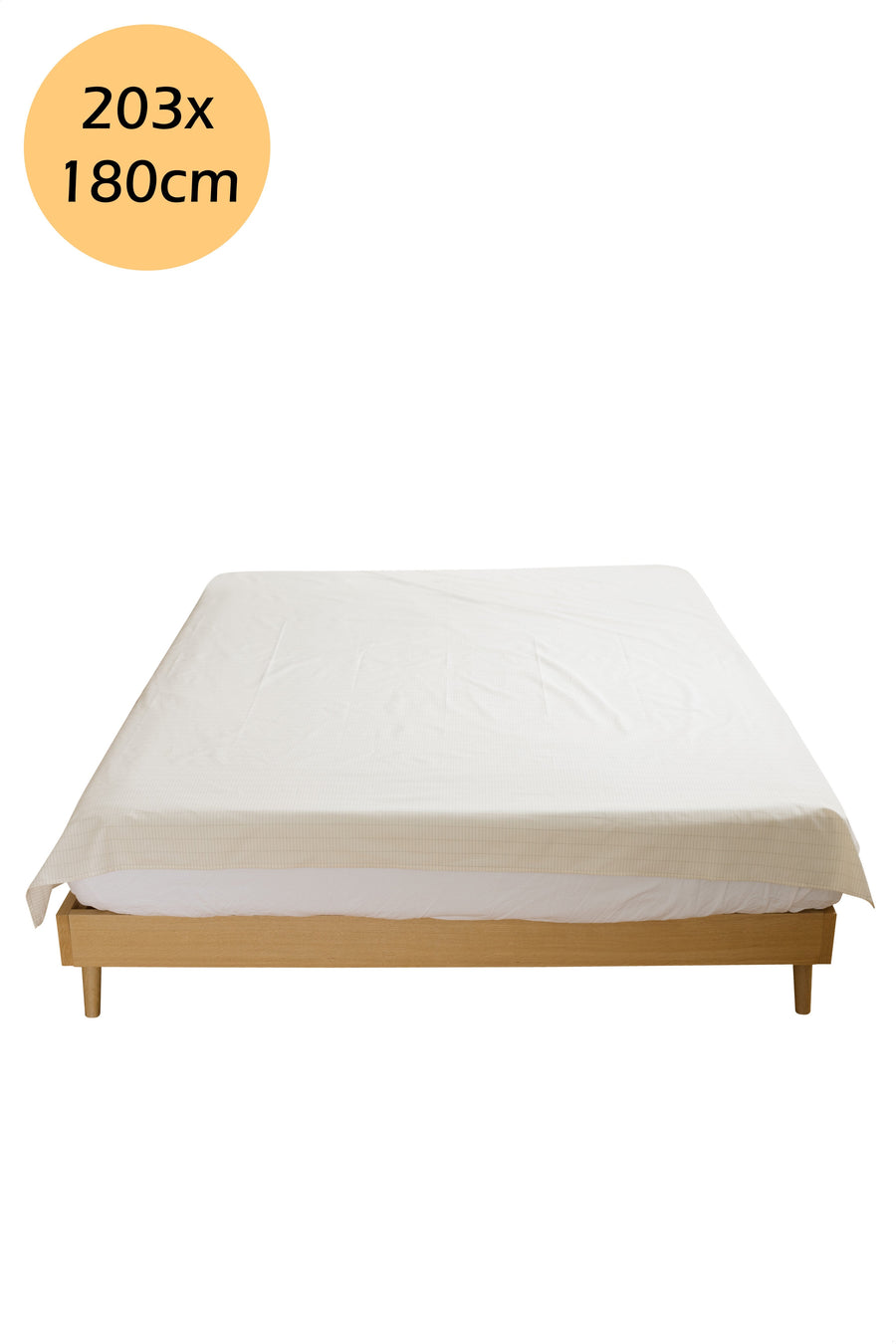
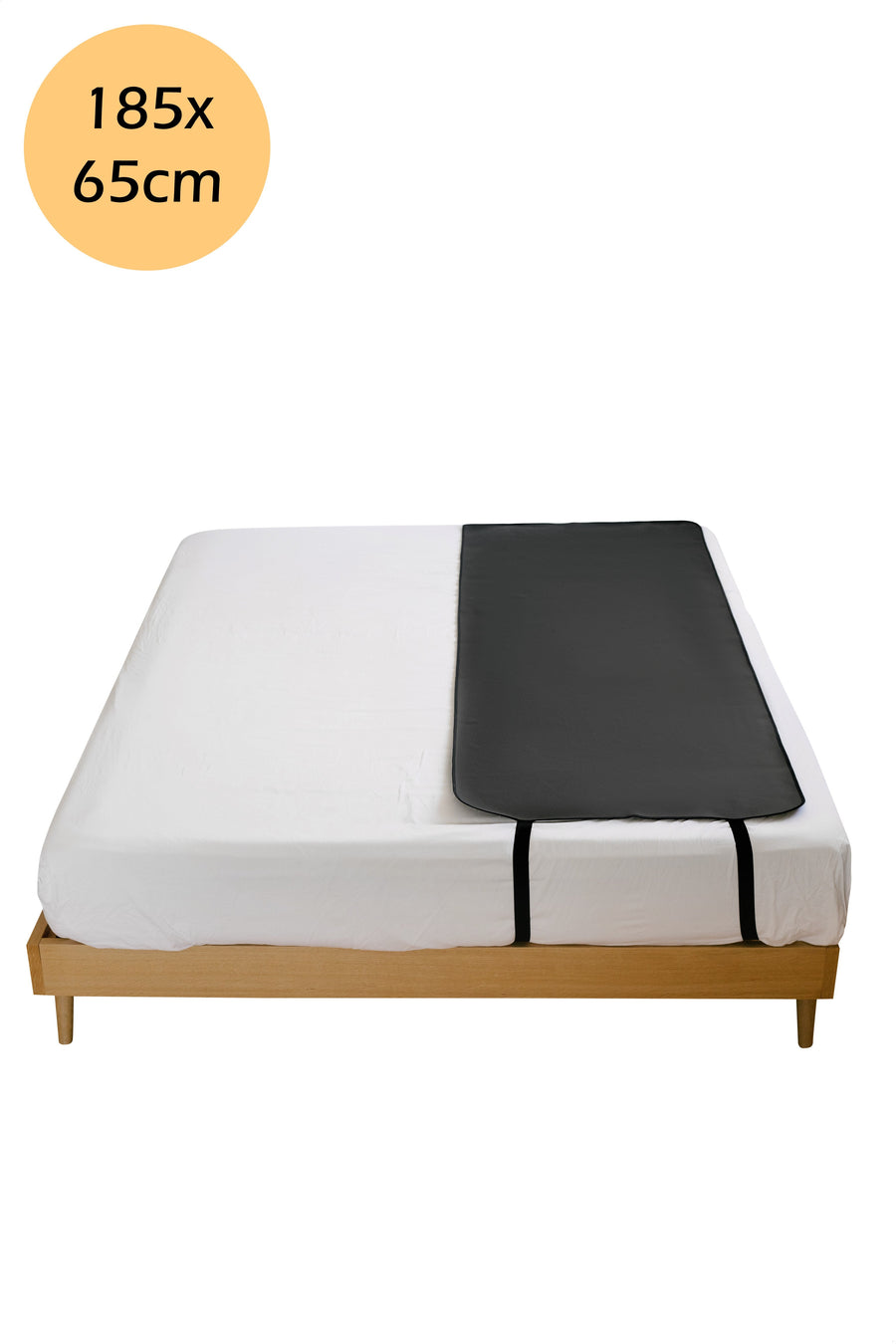
Start with the night, not with a new habit. Sleep is the only time you get seven or eight hours of contact without any effort at all. A sheet under your fitted sheet, or a sleeping mat on your mattress, is something you set up properly once and then never have to think about again.
-
Twenty minutes barefoot, ideally in the morning. Damp grass conducts considerably better than bone-dry ground, so with dew on it you get more out of the same time than in the middle of a hot afternoon. Which surfaces work and which do not is in walking barefoot outdoors.
-
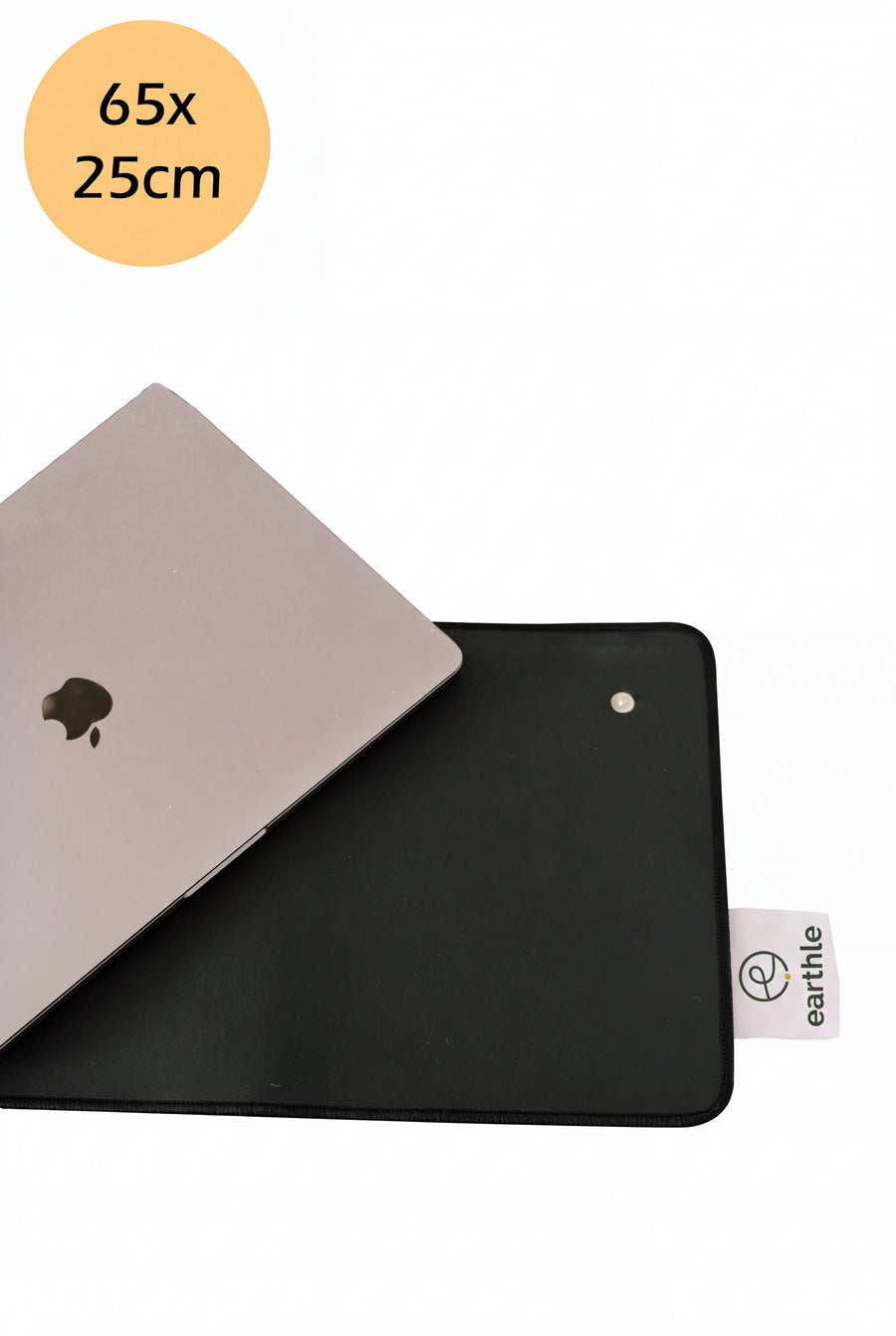
Rest your forearms on something. If you type for eight hours a day, your wrists and forearms are already on the desk. A desk mat underneath costs you no extra time at all.
-
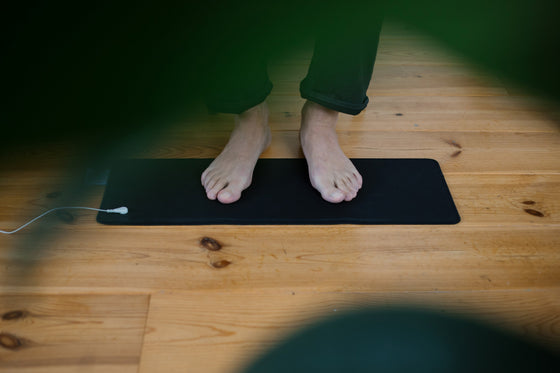
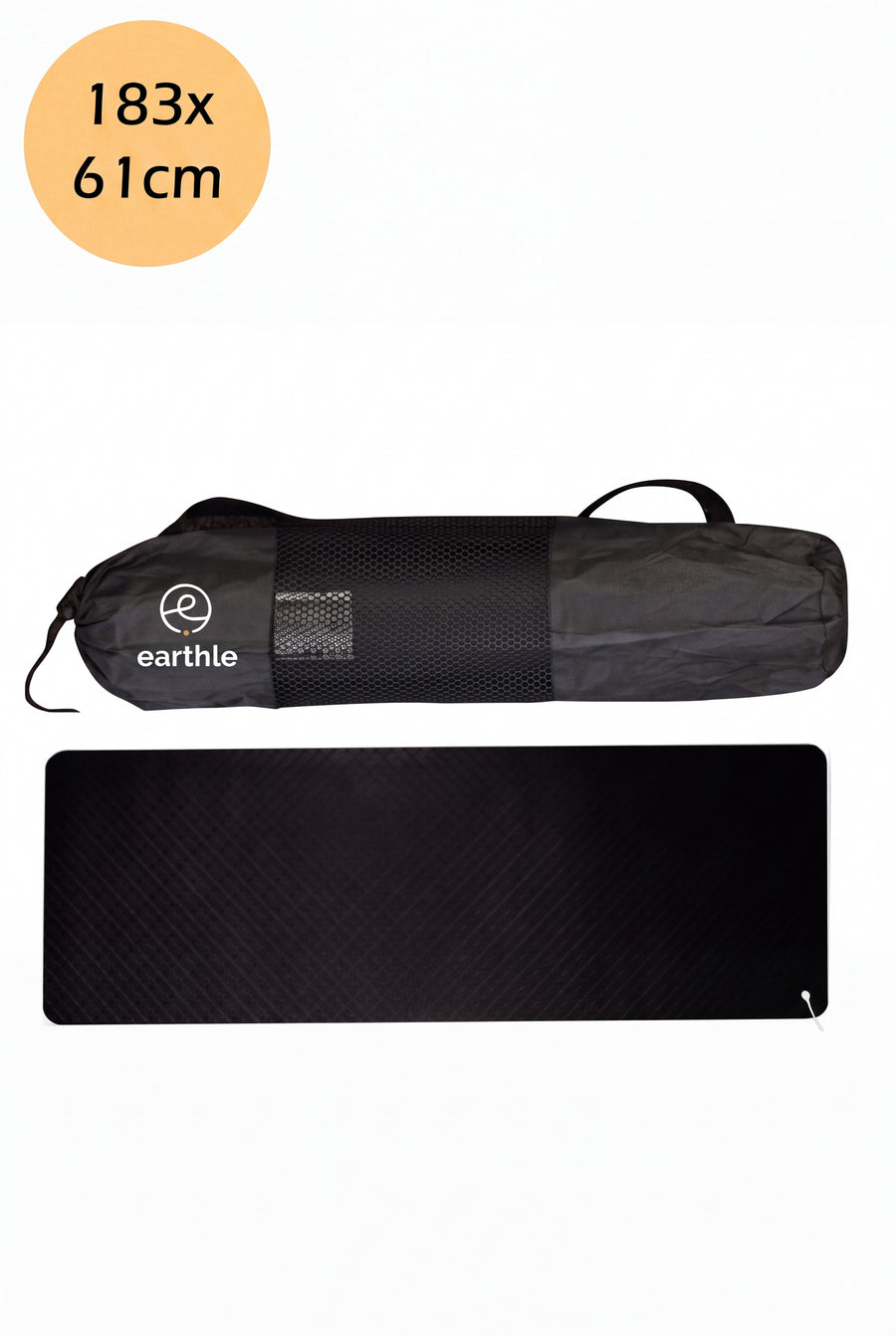
Shoes off under the desk. A yoga mat under your feet works throughout the working day, and you use that same mat for your stretching in the evening.
-
Take phone calls standing in the garden. Every ten-minute call is ten minutes of grounding if you take it outside with your shoes off. It is the easiest free win there is.
-
Tie it to something that already exists. Coffee on the back doorstep, the last stretch of the dog walk across the grass, reading in the garden instead of on the sofa. New habits stick when they hang off old ones.
-
Leave out the fabric softener. It leaves a film on the fibres that works against conductivity. It is the most common mistake with earthing textiles, and the easiest one to avoid.
-
Feel free to put a sheet over it. Direct skin contact conducts best, but pyjamas, an ordinary fitted sheet or a duvet cover in between still conducts perfectly well. Plenty of people do it deliberately: a mat can feel cool, you perspire at night and such a layer is easier to wash than the product itself, and if you want to build up gently it dampens the contact without removing it. Only through a thick fleece blanket does little happen.
-
Measure instead of guessing. A twenty euro multimeter shows you the voltage on your skin dropping from a few hundred millivolts to almost nothing the moment you connect. That is more satisfying than waiting to see whether you feel something. How to do it is in what you can feel and expect.
-
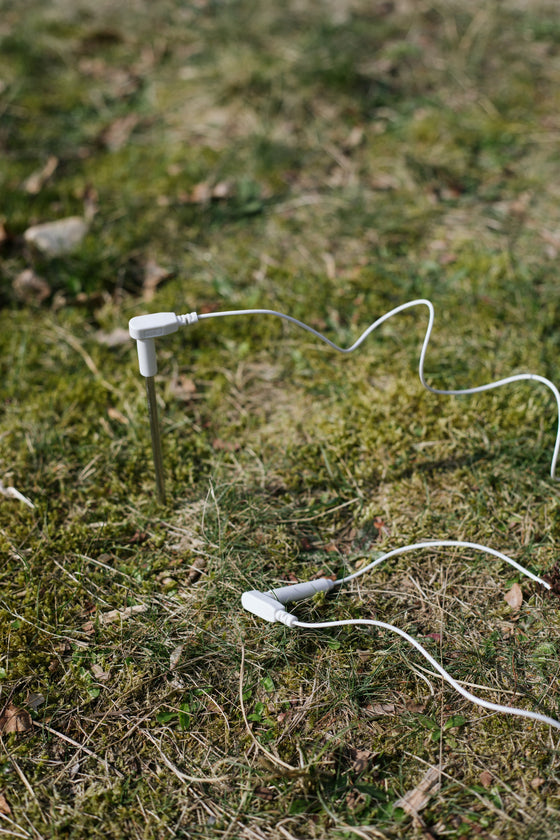
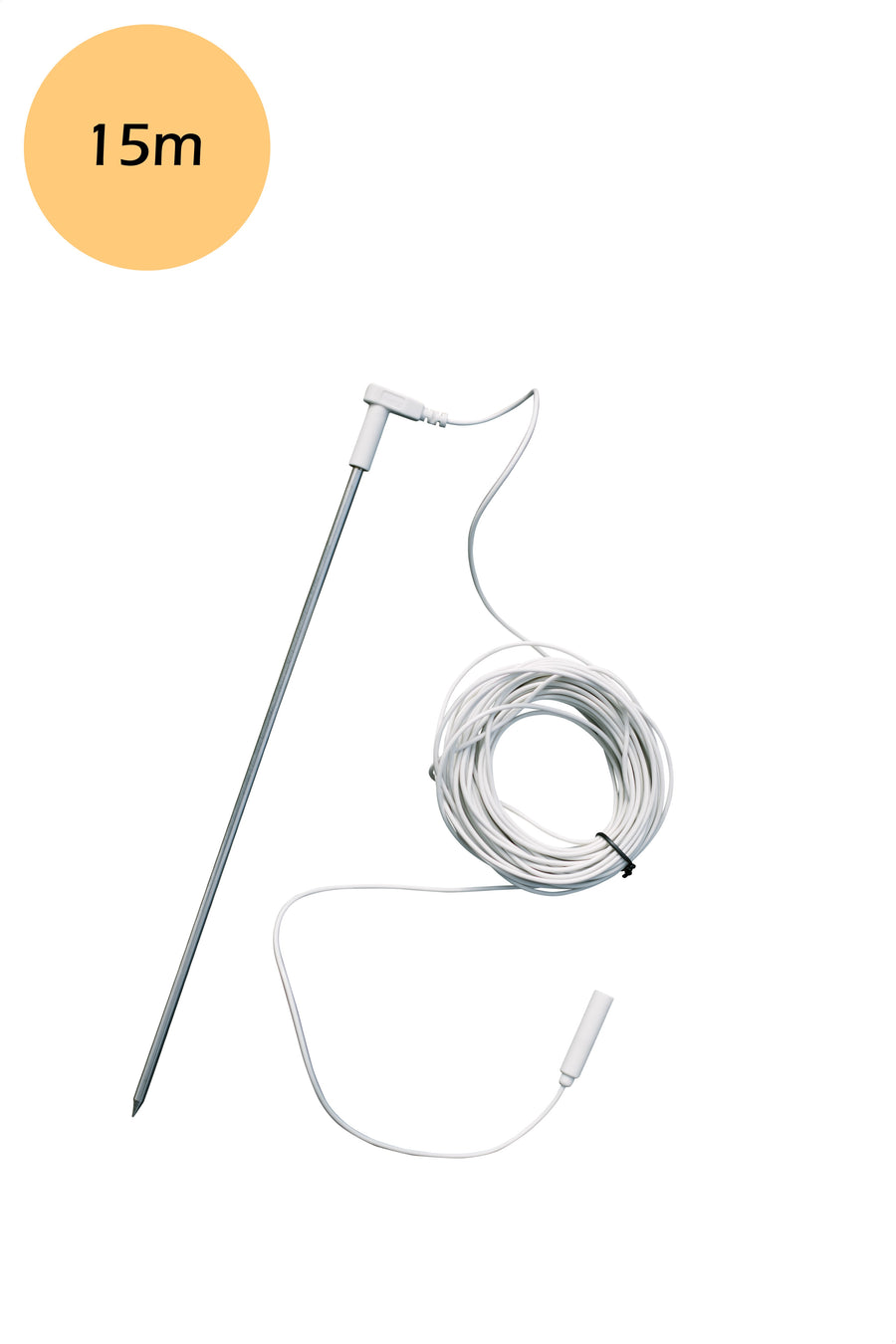
Do not let a missing socket stop you. No earth connection in the bedroom is the most cited reason people give up, and it is solved with an earthing rod in the garden or an alligator clip on the radiator pipe. Both routes are in grounding without an earthed socket.
Where to start
If you pick only one: take the night. That is where the most time and the least effort are. Which product and which size suit your bed and your room is what the guide at the bottom of the shop page asks you in a few short steps.
If you want to know how the connection works technically first, that is in grounding: safe and effective. And if you are starting from scratch, grounding for beginners takes you through step by step.