Earthing without an earthed socket: two ways that do work
No earth pin in the bedroom socket? You can still ground. An earthing rod brings the connection straight in from the garden, an alligator clip takes it from the metal pipework of your radiator. This article covers how to connect both, what to watch out for, and how to check with a multimeter that it actually works.

Not every house has an earthed socket. In homes built before 1975 the earth connection is often missing precisely in the bedroom, and in a loft or a flat you run into the same thing. That does not mean earthing is out of reach for you. You just need a different route to earth, and there always is one.
This article is about that route. If you want to know how to get a socket earthed, that is an electrician's job and it is not what this covers. This is about how to connect your earthing sheet, sleeping mat or pillowcase when there is no earthed socket nearby.
What that socket is actually for
An earthing product does nothing electrical by itself. It is a conductive surface connected to earth through a cable, which makes the voltage between you and the ground fall away. The earth pin in your socket is the easiest way in, because inside the house it already runs through to the earth electrode outside. No current flows through your cable: the 100,000 ohm resistor in the plug sees to that. How that works technically is in earthing: safe and effective.
Without an earth pin you simply look for another point that makes contact with the earth. There are two you can set up yourself.
1. The earthing rod, straight into the ground
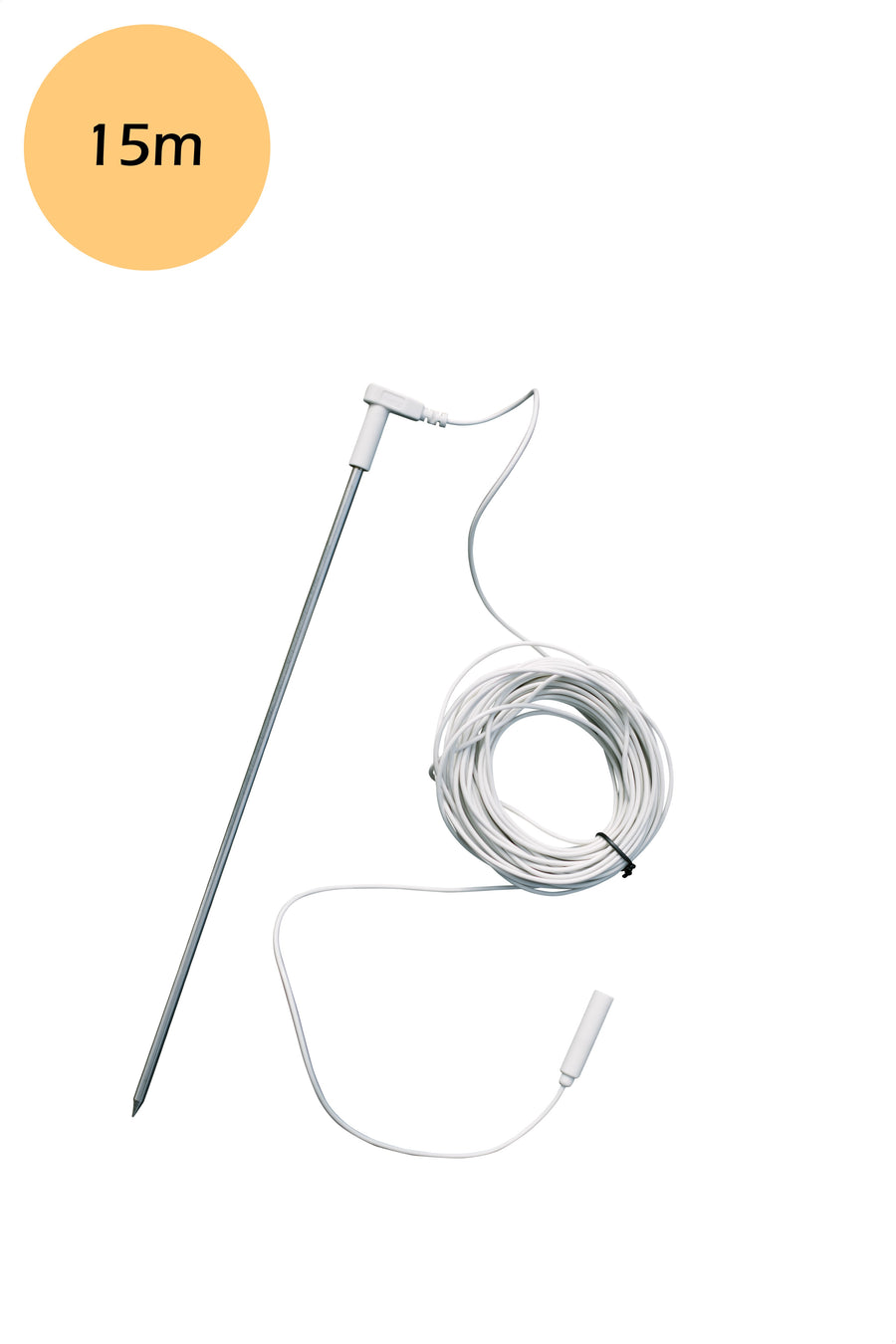
This is the most direct connection there is: no house wiring in between, just you and the ground. You push the earthing rod some way into the earth, in the garden or in a border. Through the fifteen metre cable you bring that connection indoors, along the window frame or under a window, to your bed or desk.
A few things make the difference. Put the rod somewhere the ground does not dry out, because moist earth conducts considerably better than dust. Under a downpipe or in the shade of a shrub is better than the middle of a sunny patio. Push it in far enough; from about twenty centimetres down you are in the layer that stays damp. And do not let the cable take a sharp bend at a window edge; lay it loosely along it.
If you live on a first or second floor with greenery below your window, this works too. The cable is thin enough to close the window on it.
This route is also the logical choice if you doubt the quality of your house wiring, or if you are in a holiday home or a camper van.
2. The alligator clip, via the radiator
If you live on an upper floor with no outdoor space, the alligator clip is the practical solution. You clip it onto a metal radiator, a radiator pipe or a fitting. In most central heating systems that pipework runs down into the ground, and that gives you your earth connection.
Watch out for one thing: paint does not conduct. Clip onto a painted radiator and you will measure nothing. Find an untreated part, usually the fitting or the bit of pipe behind the radiator, or sand a small spot clean where the clip grips. Plastic pipes do not work, and neither does a radiator that has been cut off from the rest of the system during renovation work. That is why a quick check with a meter is not a wasted step.
What does not work
This list exists because people try it.
- A planter or balcony box. There is real soil in it, but the box stands on a balcony and not on the ground. There is no connection to the earth below, however real the soil in it looks.
- A painted or powder-coated radiator. The clip touches the paint, not the metal. Find a bare spot.
- Plastic water pipes. A lot of new build and renovation work uses plastic instead of copper. That does not conduct.
- The water pipe as an earth point. Once a common solution, now unreliable because there are plastic sections in the run almost everywhere.
- A gas pipe. Never. Never clip anything onto a gas pipe, for any reason. It is not an earth point and it should have no electrical function.
- An extension lead without earth. If your plug is in a power strip with two pins and no earth contact, the whole chain is broken, even if the socket on the wall is earthed.
Checking that it works
With a multimeter you are done in two minutes. Set it to resistance, hold one probe on the point where your clip sits and the other on the earth pin of an earthed socket elsewhere in the house. If you see close to zero ohms, the connection is there.
If you have no earthed socket anywhere, measure the effect on yourself instead. Set the meter to AC voltage, hold one probe between your fingers and push the other into the ground outside. Note the reading, then lie or sit on your earthing product and look again. That value should drop from hundreds of millivolts to almost zero. If it does, your set-up works. More about that measurement is in earthing and EMF.
What you connect it to
The rod and the clip are only the connection. What you hang on it determines when you are earthed. Everything in the range fits both:
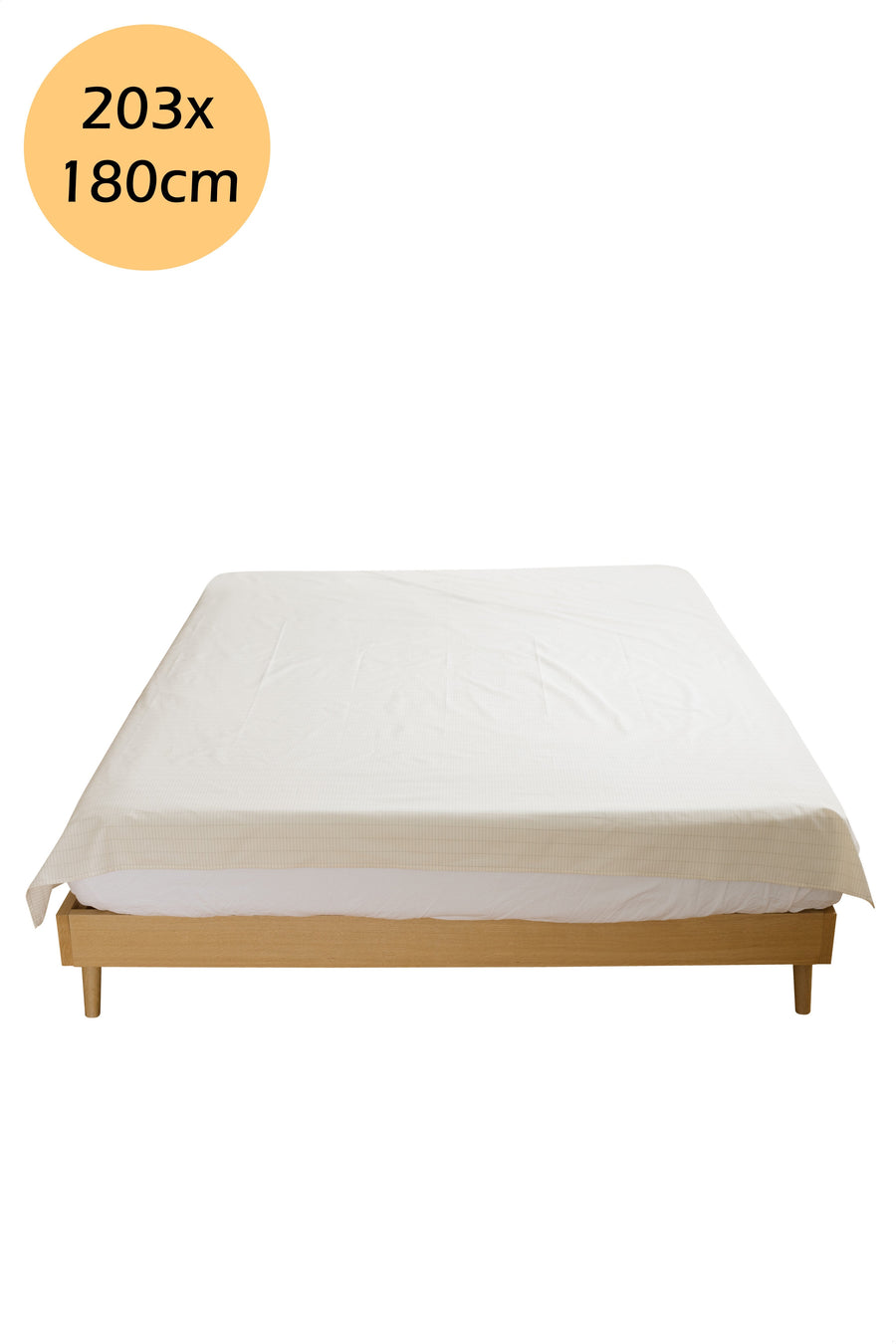
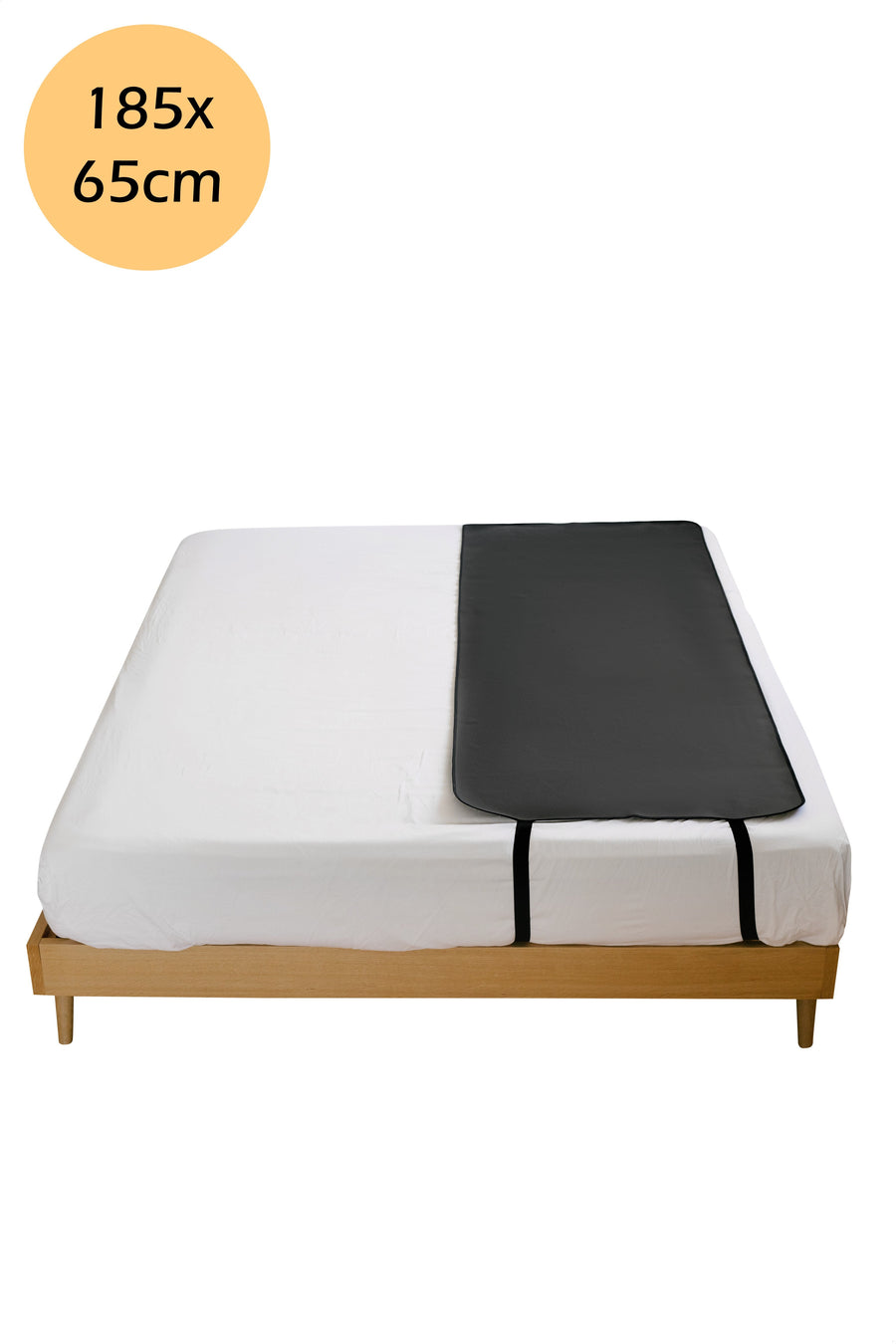
- For the night: the sheet, the fitted sheet, the sleeping mat or the pillowcase.
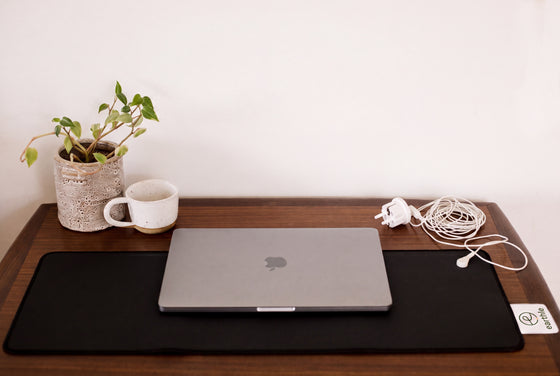
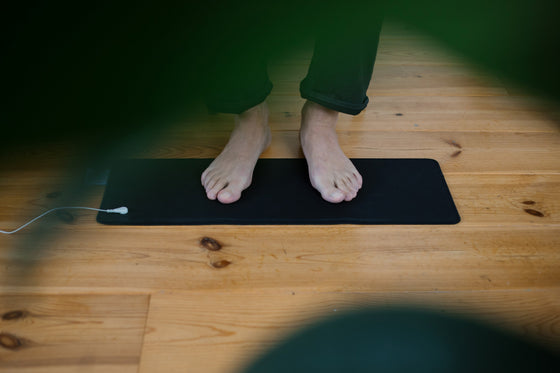
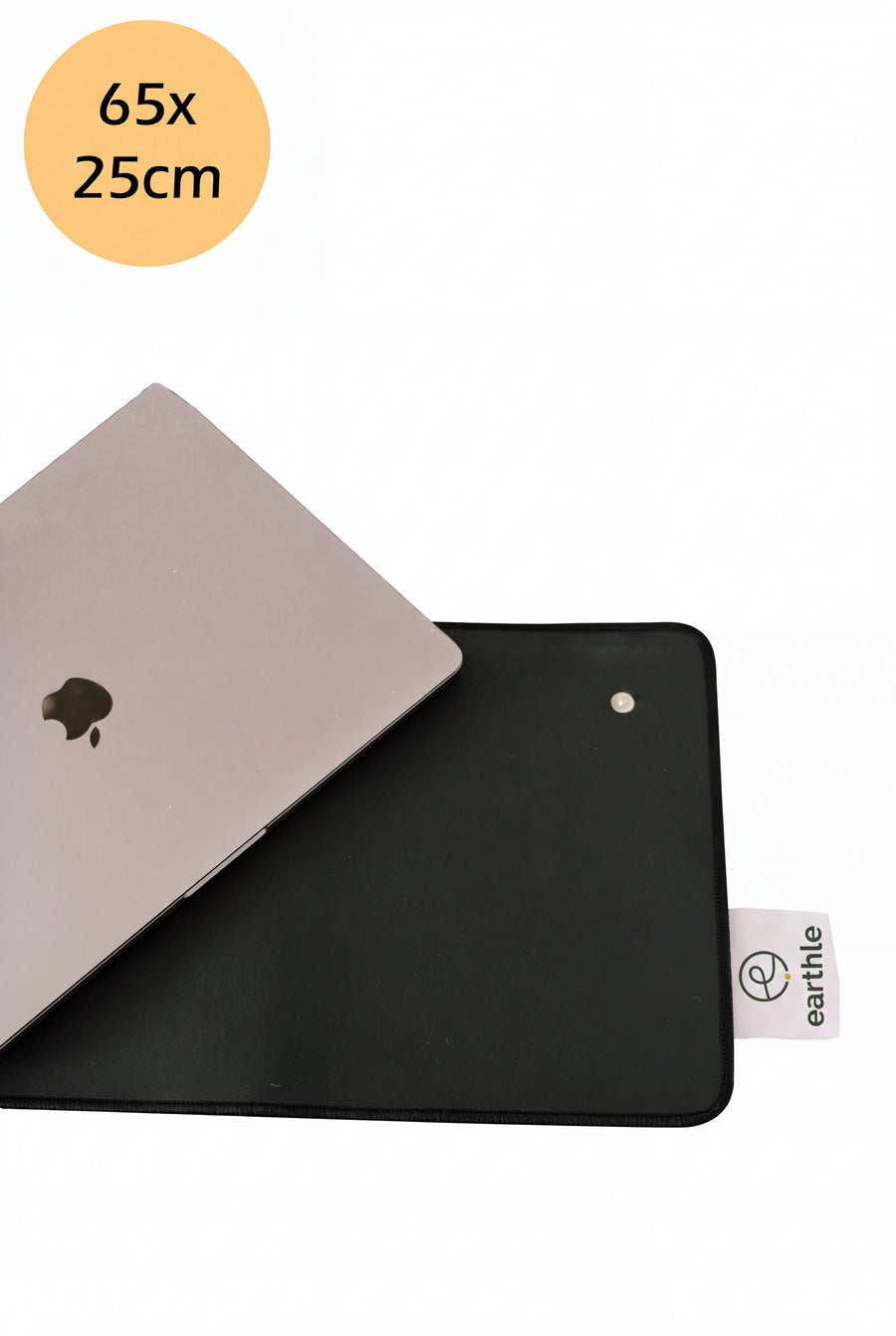
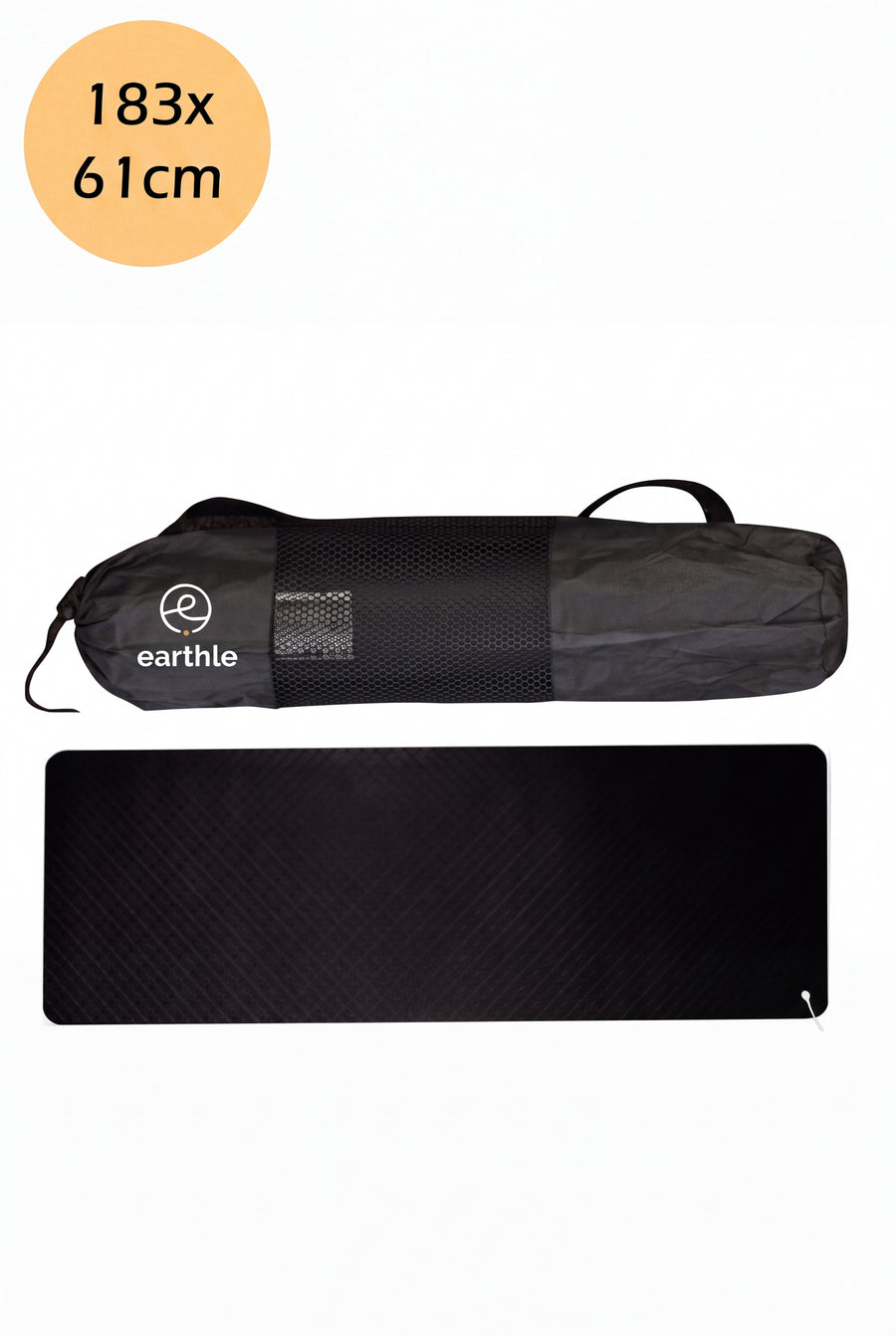
- For the daytime: the desk mat under your forearms, or the yoga mat under your feet.
- On the sofa: the blanket.
If two of you sleep together and want to share one connection, the splitter divides the cable between two products. If the rod does not reach far enough, the extension lead gets you another fifteen metres.
Which of the two to choose
If you have a garden or balcony with real soil, take the rod. If you live on an upper floor with only radiators, take the clip. In a flat the clip is usually the simpler of the two.
If you are unsure which earthing product goes with it, which earthing product suits you puts them side by side, with the drawbacks included.
Further reading
If you are just starting, earthing for beginners walks you through the practicalities step by step. If you want to know what has been measured, that is in scientific evidence for earthing. And how to keep your sheet the way it is, is in washing your earthing sheet.
If you cannot work out your own situation, send us a message through the contact page. Describe briefly what you have in the house and we will think along. You also get thirty days to change your mind, so you can simply try it for a few weeks.