Grounding: safety, side effects and connections
Questions about grounding and side effects? Learn how to check the connection, what to do if you feel discomfort and why grounding products do not replace treatment.

Start with the connection
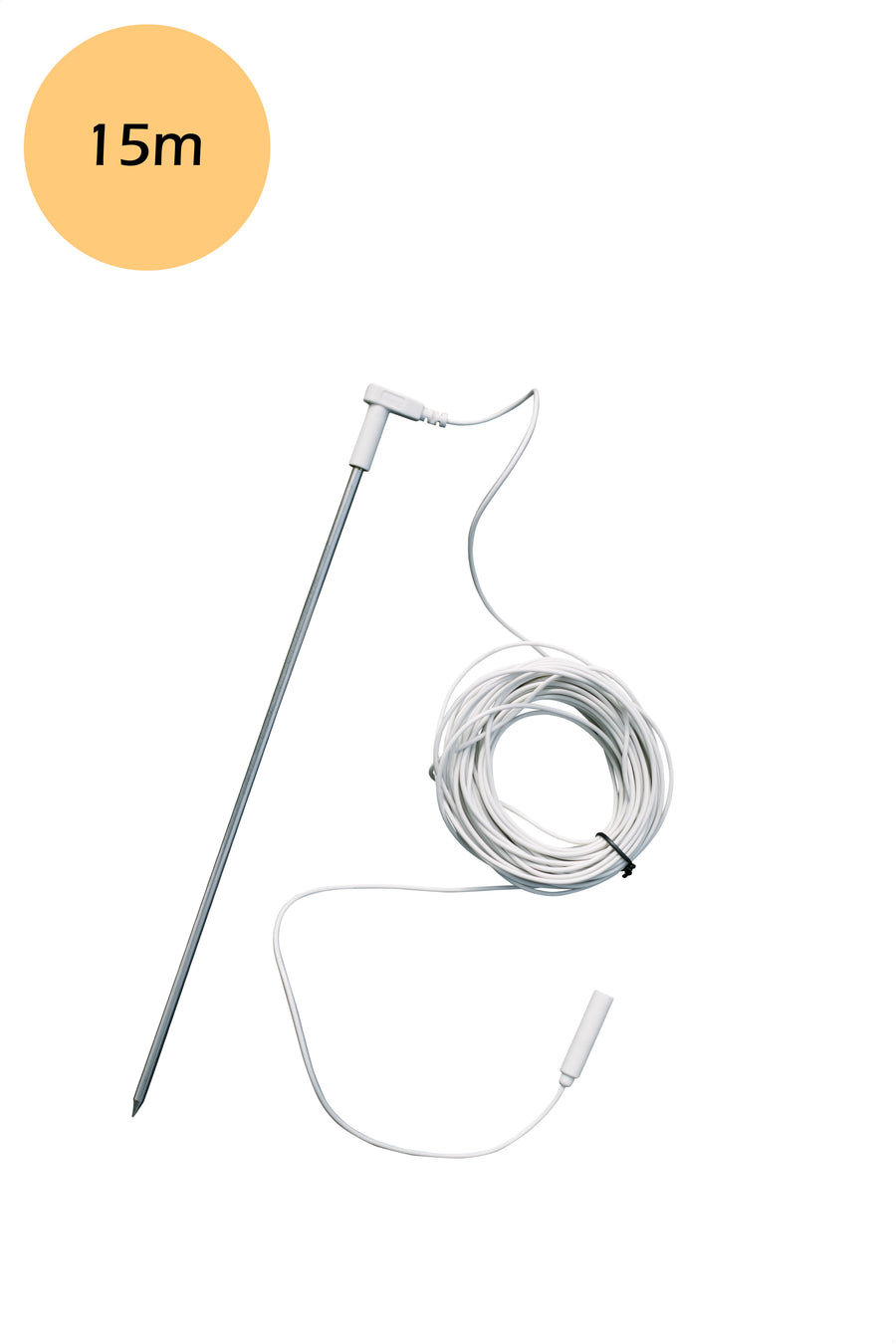
A grounding product should connect to earth through a suitable cable, not to live socket contacts. The Earthle plug and cable contains a specified 100 kΩ safety resistor. That resistor does not replace a correctly wired electrical installation. Use a suitable socket tester or ask an electrician to check the protective earth.
What can be said about side effects?
Customer stories cannot establish a complete list of possible side effects. A symptom that appears during use does not establish its cause either. Stop using the product if you develop skin irritation, pain or other discomfort, and discuss persistent symptoms with a clinician. Do not automatically interpret new symptoms as detoxification or necessary adjustment.
When to ask your clinician
If you use medical equipment or an implant, are pregnant or receive treatment for a condition, discuss use with your clinician. Do not change medication because of an experience with grounding. Earthle products do not replace medical care.
Check without working on the installation
Use undamaged components and the specified connection. Do not insert loose wires or probes into a socket. A radiator or metal pipe is not automatically a suitable earth connection. Read how to check the cable and surface; leave questions about household wiring to an electrician.
Electrical contact is different from a health effect
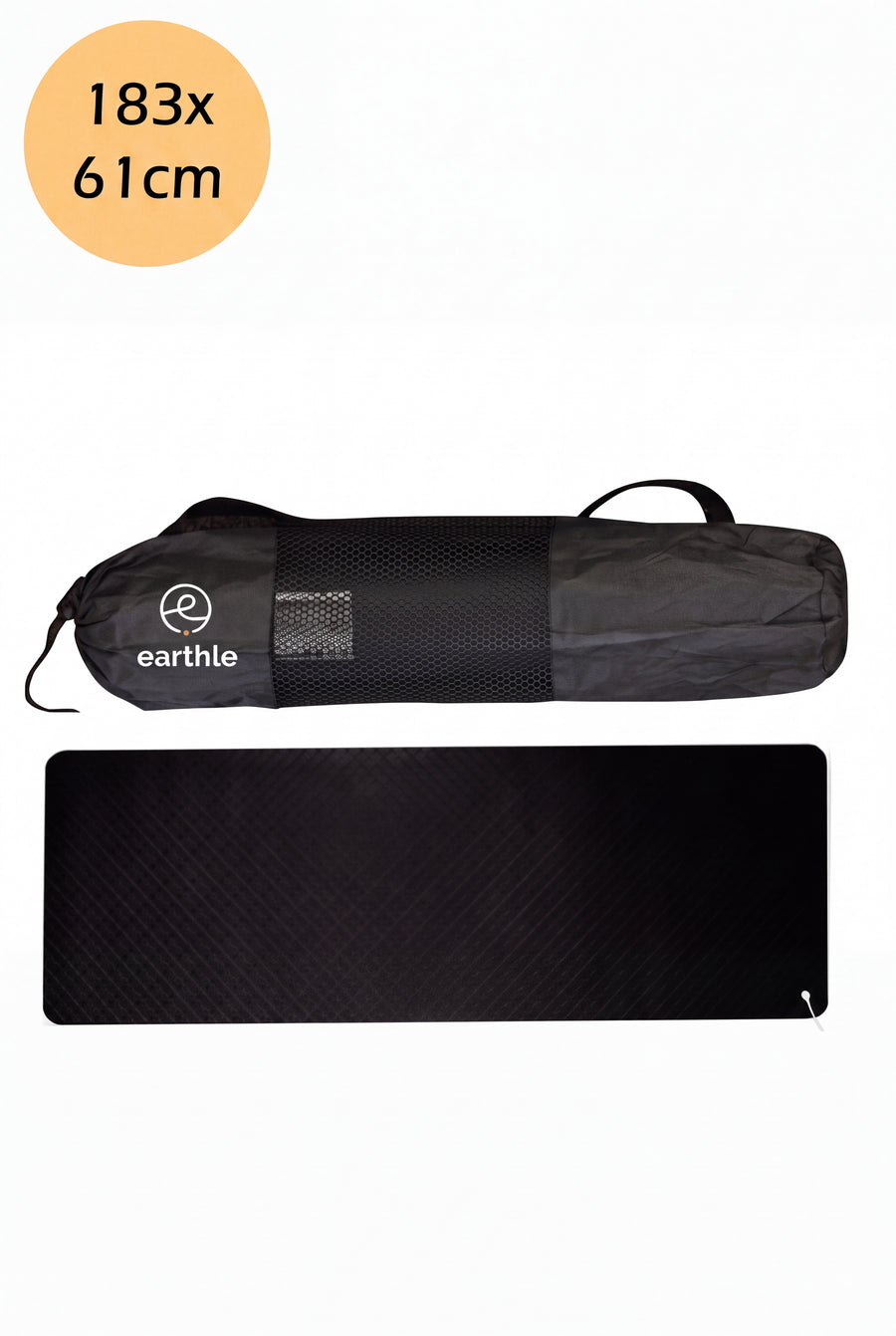
A measurement can demonstrate electrical contact, but cannot predict better sleep or fewer symptoms. Grounding studies have different designs and limitations. Read the research discussion and learn how to assess experiences. To choose a format, compare a sheet with a sleeping mat.