Grounding after spinal surgery: what the 2025 randomized study found
A 2025 study followed 84 patients after lumbar spinal surgery. After one night, pain fell more and the inflammatory marker CRP rose less in the grounded group.

The 2025 study by Sokal and colleagues stands out for two reasons. It used random allocation and a visually identical sham setup, and it measured blood values alongside pain. The trial therefore combined a result patients could feel with an objective recovery marker.
How the study worked
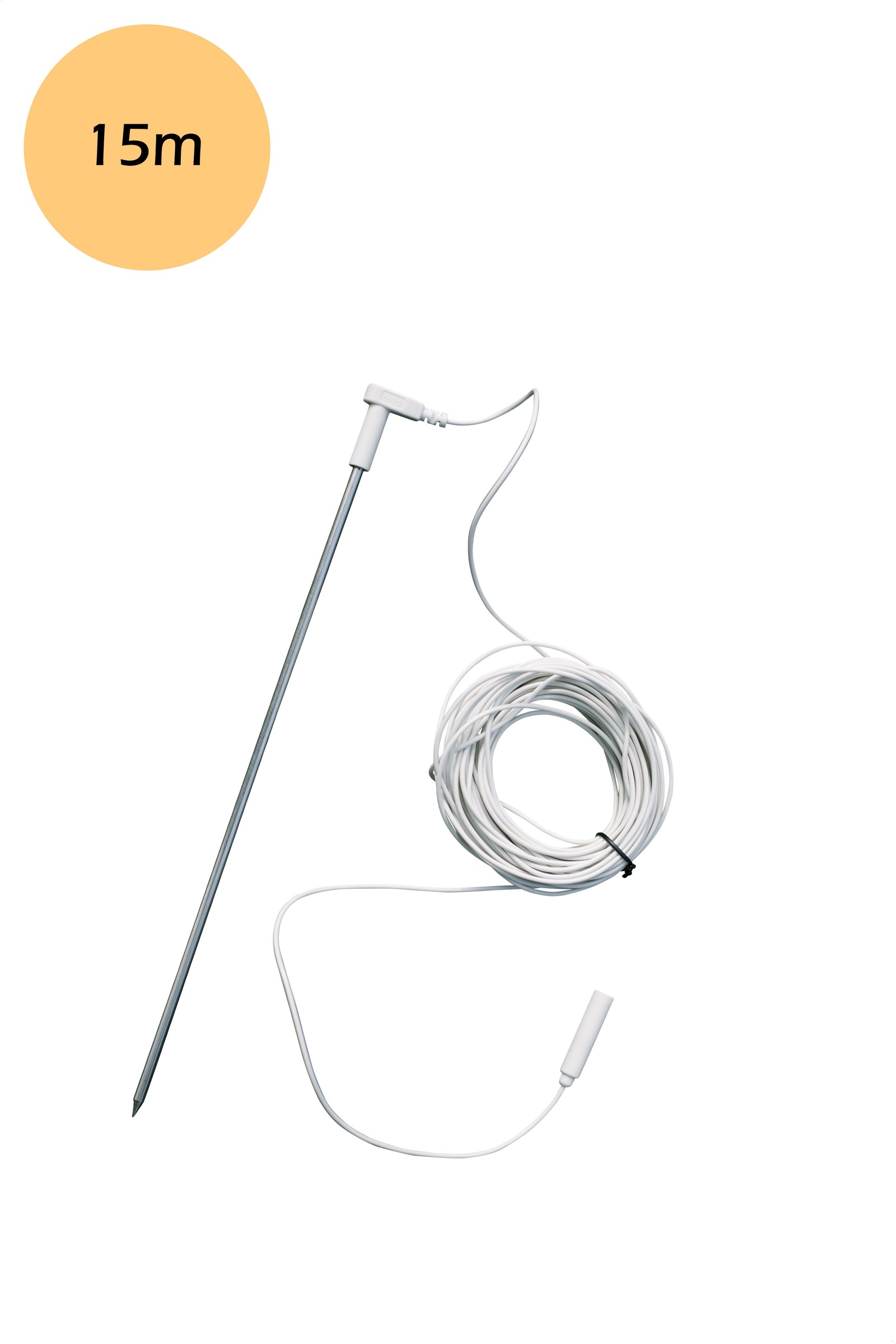
In the study by Sokal et al. (2025), eighty-four patients undergoing lumbar spinal surgery were randomly assigned to two groups of 42. During the first postoperative night, the active group wore an ankle electrode connected to ground. The control group received the same electrode and casing without a working connection. Both groups followed the same paracetamol pain-relief protocol.
Pain was measured on days one and two on a scale from 0 to 10. Blood tests included C-reactive protein, or CRP, and creatine kinase, or CK. CRP normally rises after surgical tissue injury, while CK can reflect muscle damage.
Greater pain reduction after one grounded night
Average pain in the grounded group fell from 7.14 to 4.64, a 2.50-point reduction. In the sham group it fell from 6.60 to 5.26, a 1.59-point reduction. The difference in change between groups was statistically significant at p < 0.01.
The inflammatory response was also markedly lower
CRP increased in both groups, as expected after surgery. The rise was much smaller in grounded patients: from an average 15.34 to 24.42 mg/L, compared with 24.54 to 57.42 mg/L in the sham group. The between-group difference was significant at p < 0.001.
CK also moved further downward in the grounded group. That favourable direction supports the recovery pattern, while pain and CRP were the clearest statistically confirmed signals. Some measures of phosphate, alkaline phosphatase and iron metabolism changed as well.
The central result combines two independent signals after a single night: patients reported greater pain relief and laboratory testing showed a substantially smaller CRP rise.
Why this study carries more weight
Coin-toss and block randomization assigned the patients, the sham system looked the same, and analgesic care was uniform. These features reduce the likelihood that expectations or a different medication schedule explain the result. The authors reported no external funding and no conflicts of interest.
What this means for home use
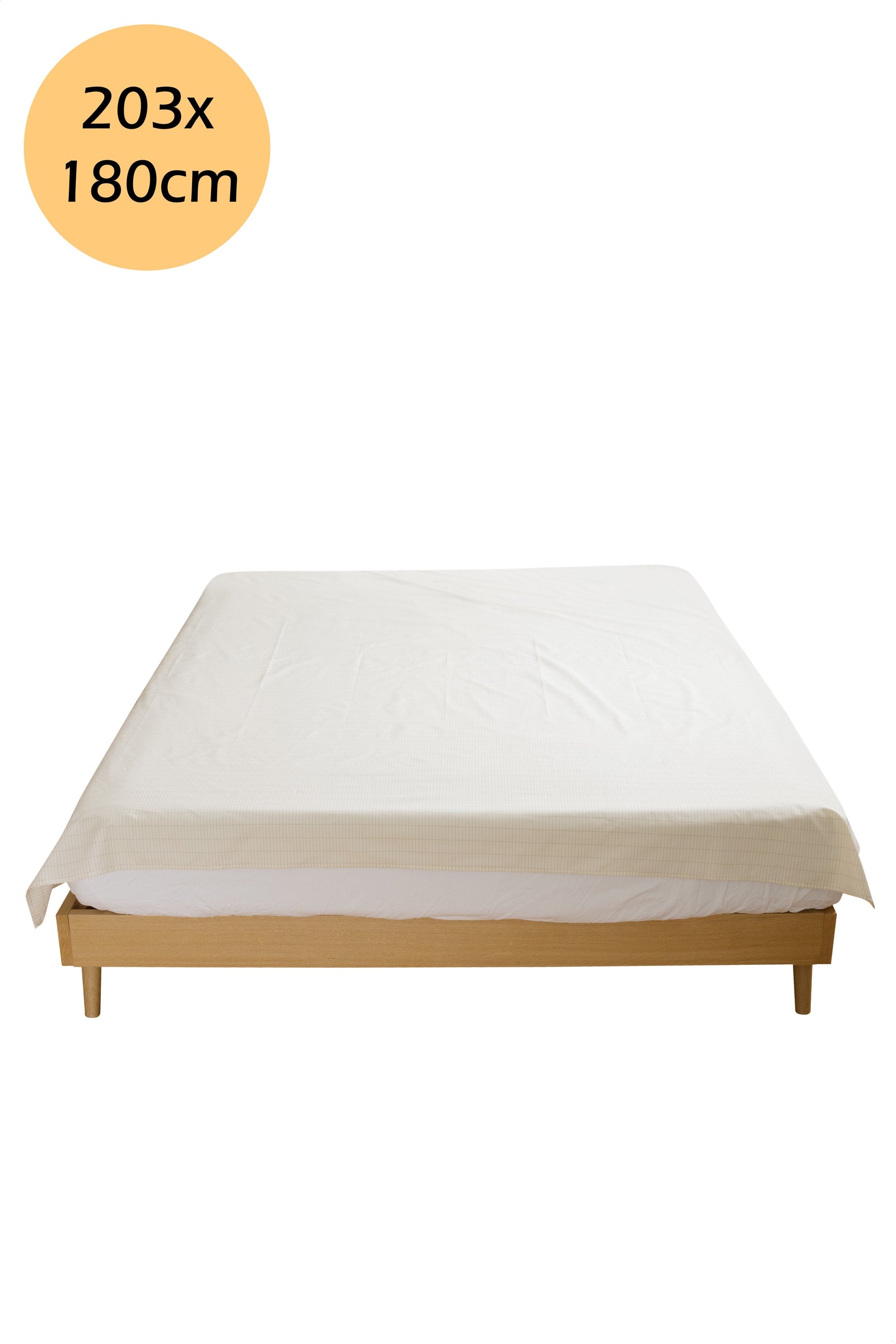
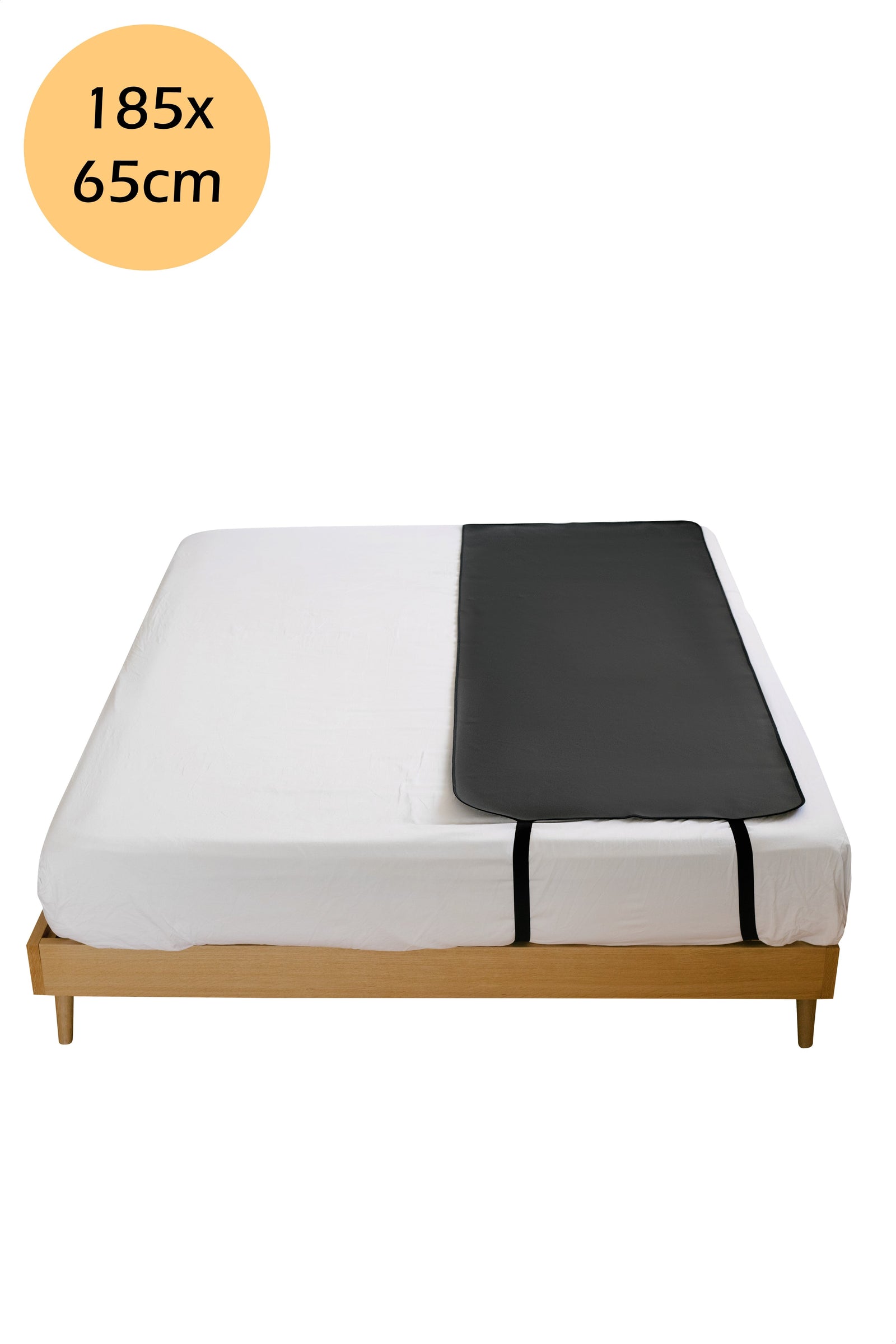
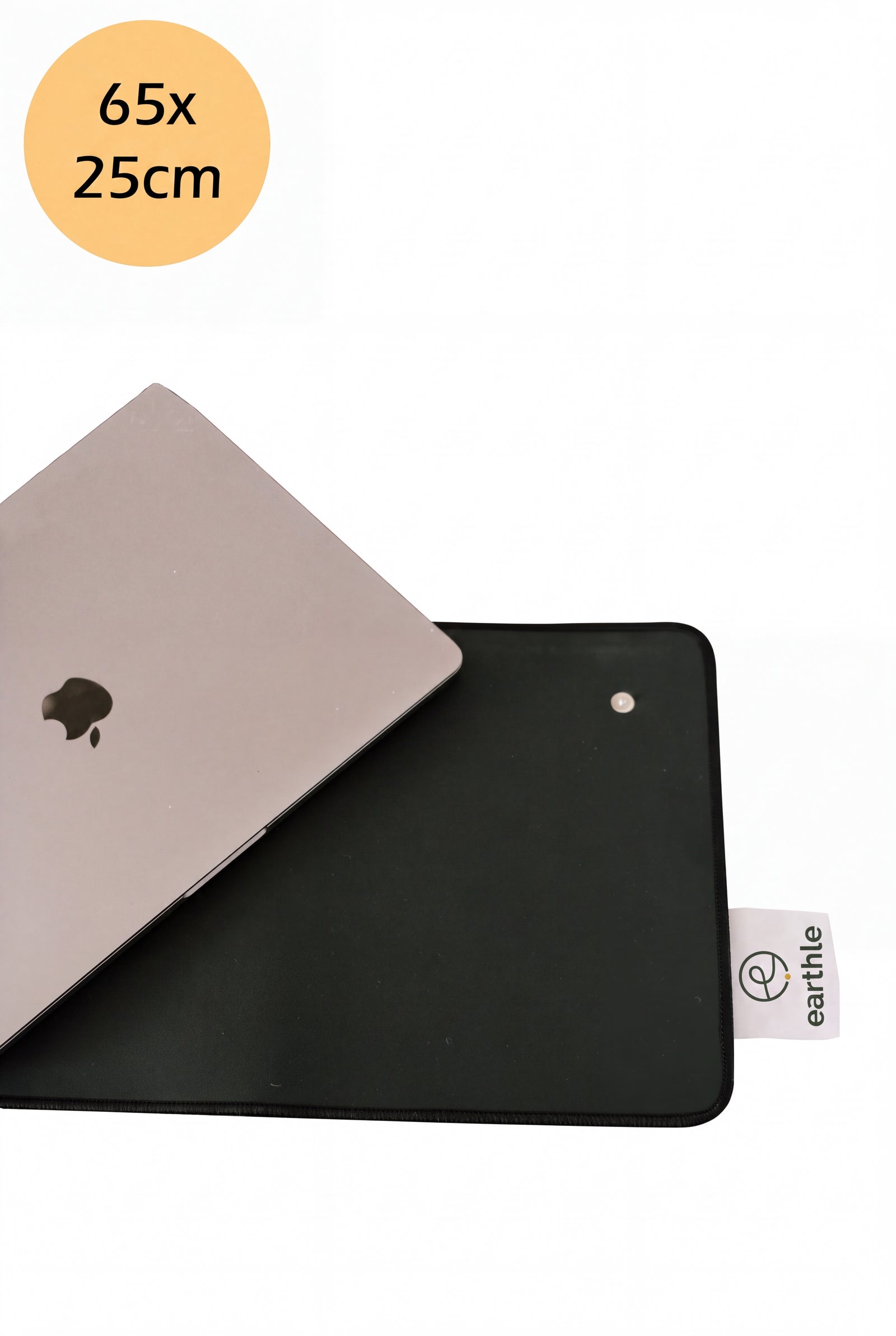
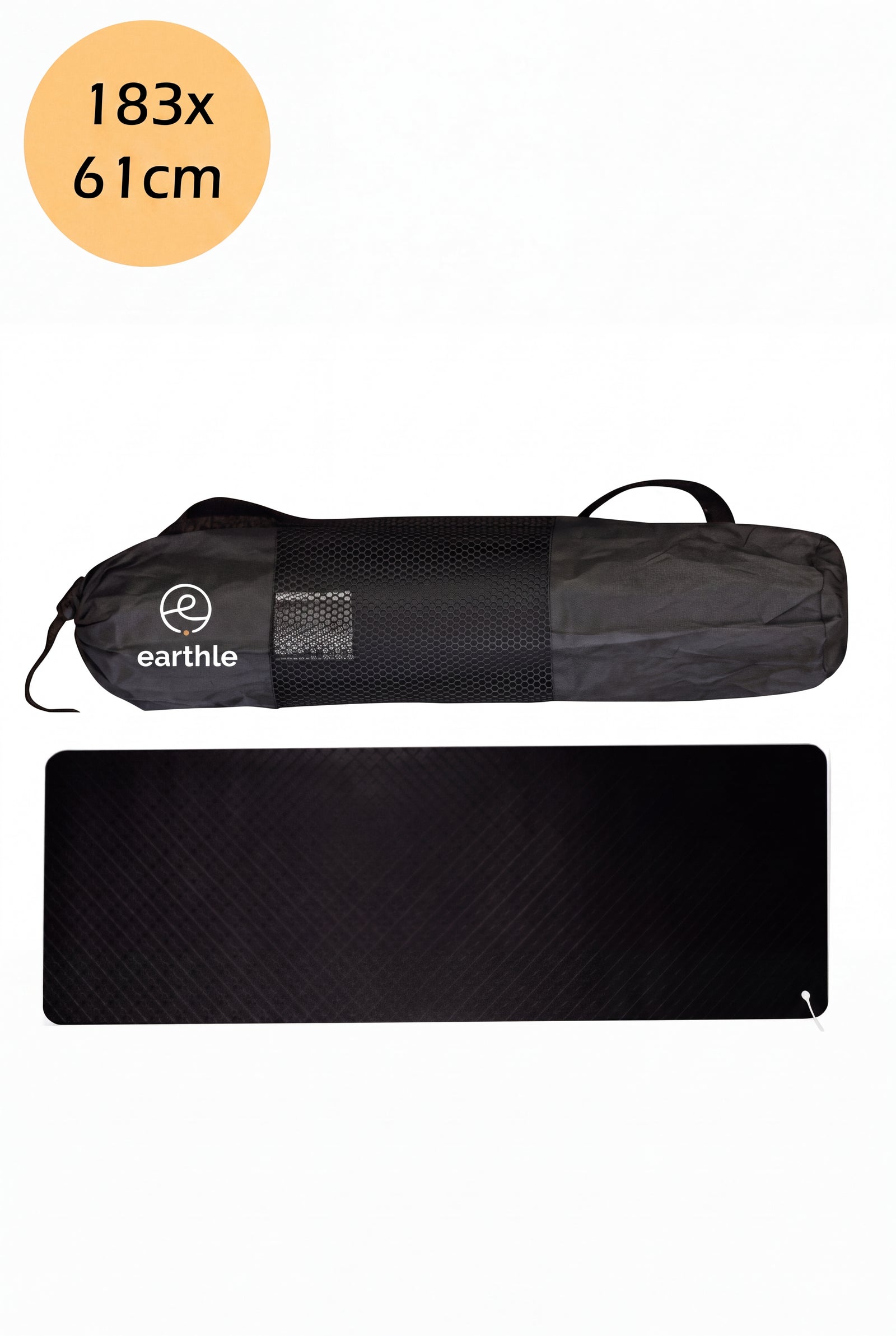
This was supportive care in a hospital, not a test of unsupervised use after surgery. Always follow your clinical team and do not connect a product around treatment without approval. For healthy users, the relevant idea is that extended contact during rest requires little effort. A Sleep Mat or Earthing Sheet brings the same type of ground connection into a normal night-time routine, while Earthle sells it as a wellness product rather than a medical treatment.
The trial covered one night and several types of lumbar procedure. Follow-up studies can establish how long the differences last and which patients respond most. As an initial controlled clinical signal, the combination of less pain and a lower CRP response is promising.
Which Earthle product fits this use
For everyday non-medical use, an Earthle Sleep Mat or Earthing Sheet provides the longest contact without extra effort. If you are recovering from surgery or receiving treatment, speak to your doctor first. Earthle products are wellness products and do not replace medical care.
Sources
- Sokal et al., Journal of Clinical Medicine, 2025 Bij 84 patiënten na een rugoperatie gaf één geaarde nacht meer pijnafname en een kleinere stijging van ontstekingsmarker CRP dan een visueel identieke sham-nacht; het gaat om ondersteunende zorg tijdens één ziekenhuisnacht, niet om dagelijks gebruik thuis of bij andere operaties.
All links checked on September 11, 2026.