Grounding during physical work: research on pain, fatigue and energy
In a double-blind study of people with physically demanding work, four weeks of grounding coincided with more energy and physical function and less pain, fatigue and depressed mood.

One especially relevant grounding trial did not recruit short-term laboratory volunteers. It followed massage professionals who place heavy demands on their hands, arms and backs every working day. That makes the study easy to relate to if your job or routine is physically taxing.
Four weeks grounded at work and during sleep
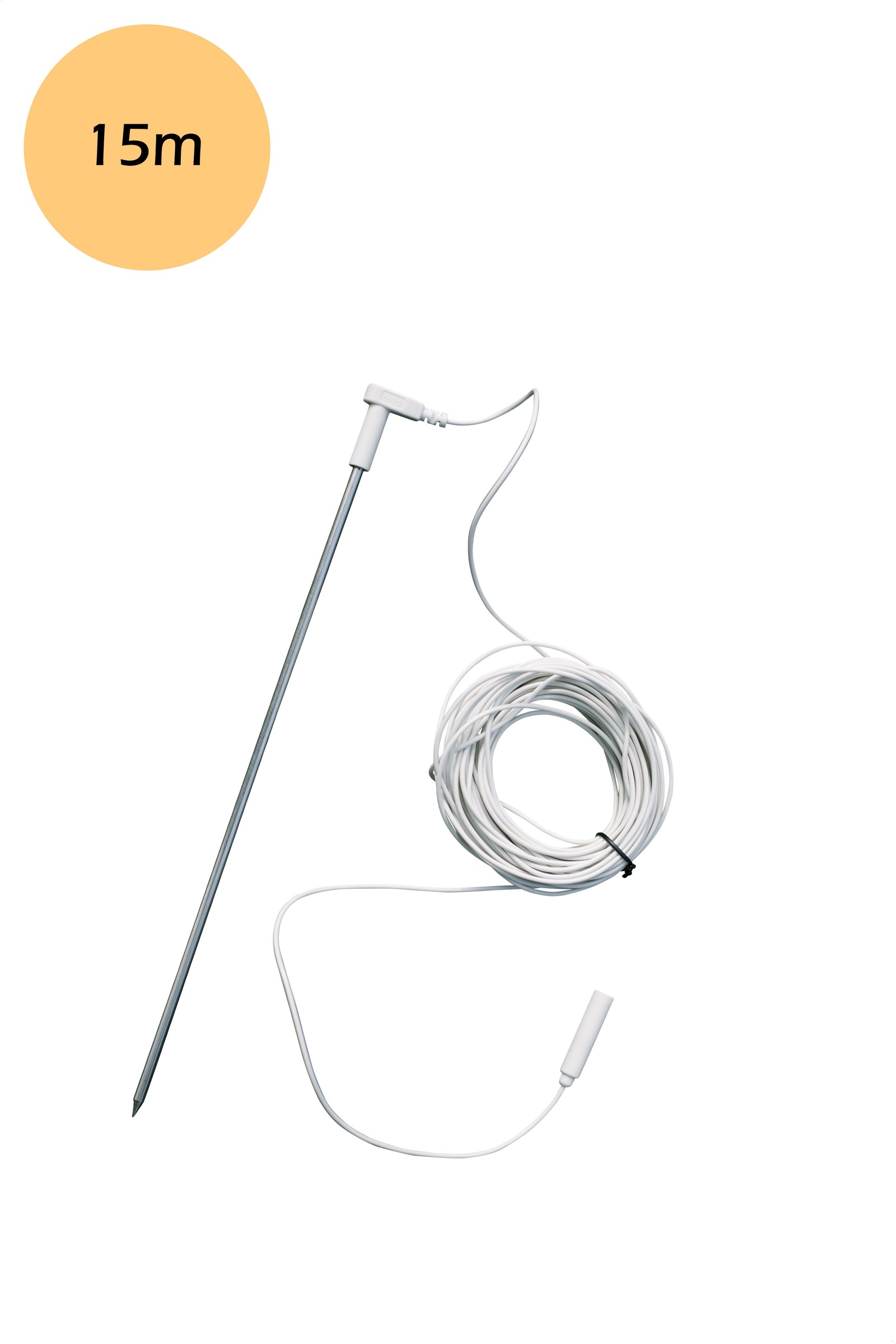
Sixteen massage professionals joined a six-week, double-blind randomized study by Chevalier et al. (2019). They were ungrounded in week one. From weeks two to five they used a grounded mat while treating clients and a grounded band or sleep mat at home. In week six they again received a non-working cable. The cords were coded, so participants did not know when the connection was active.
Researchers used standardized questionnaires for pain, physical function, fatigue, sleep, mood, energy and perceived stress. A linked paper (Chevalier et al., 2018) also reported heart rate, breathing, HRV, blood viscosity and several markers of inflammation and oxidative stress.
Several outcomes moved in the same positive direction
Physical function and energy increased significantly during the grounded weeks. Fatigue, tiredness, pain and depressed mood fell significantly compared with ungrounded periods. One month later, physical function remained higher and fatigue and depressed mood remained lower than at the start.
The physiological analysis also found signals of reduced stress in heart rate, breathing and HRV. Blood viscosity decreased and remained improved for at least a week after grounding stopped. Several inflammatory markers rose again during the ungrounded week.
The repeated on-off pattern adds weight: the same people were measured before, during and after the active period. Improvements appeared during grounded weeks, and part of the physiological pattern shifted again after disconnection.
What a small RCT can tell you
Sixteen participants is a modest sample and the project received industry funding. Even so, the study used blinding, coded sham cords, repeated measurements and standardized outcomes. It therefore offers more than testimonials: it is a concrete, testable signal that deserves replication in larger working populations.
The connection with Earthle
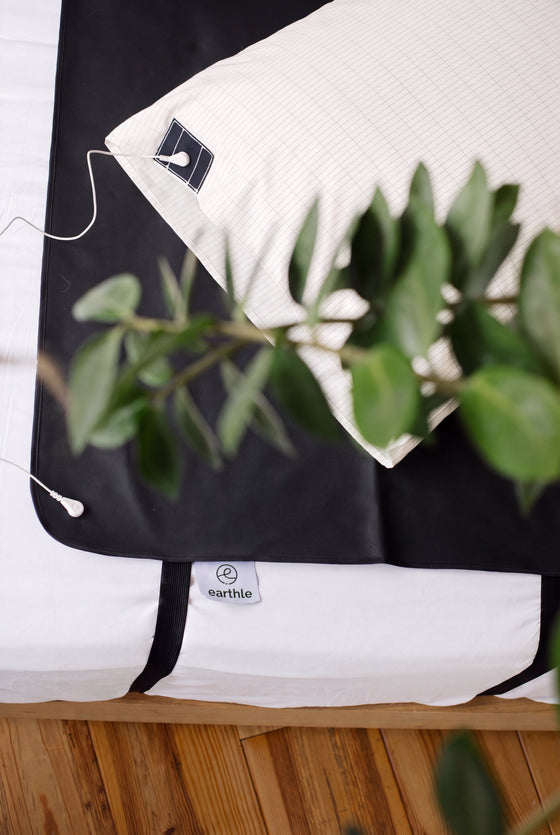
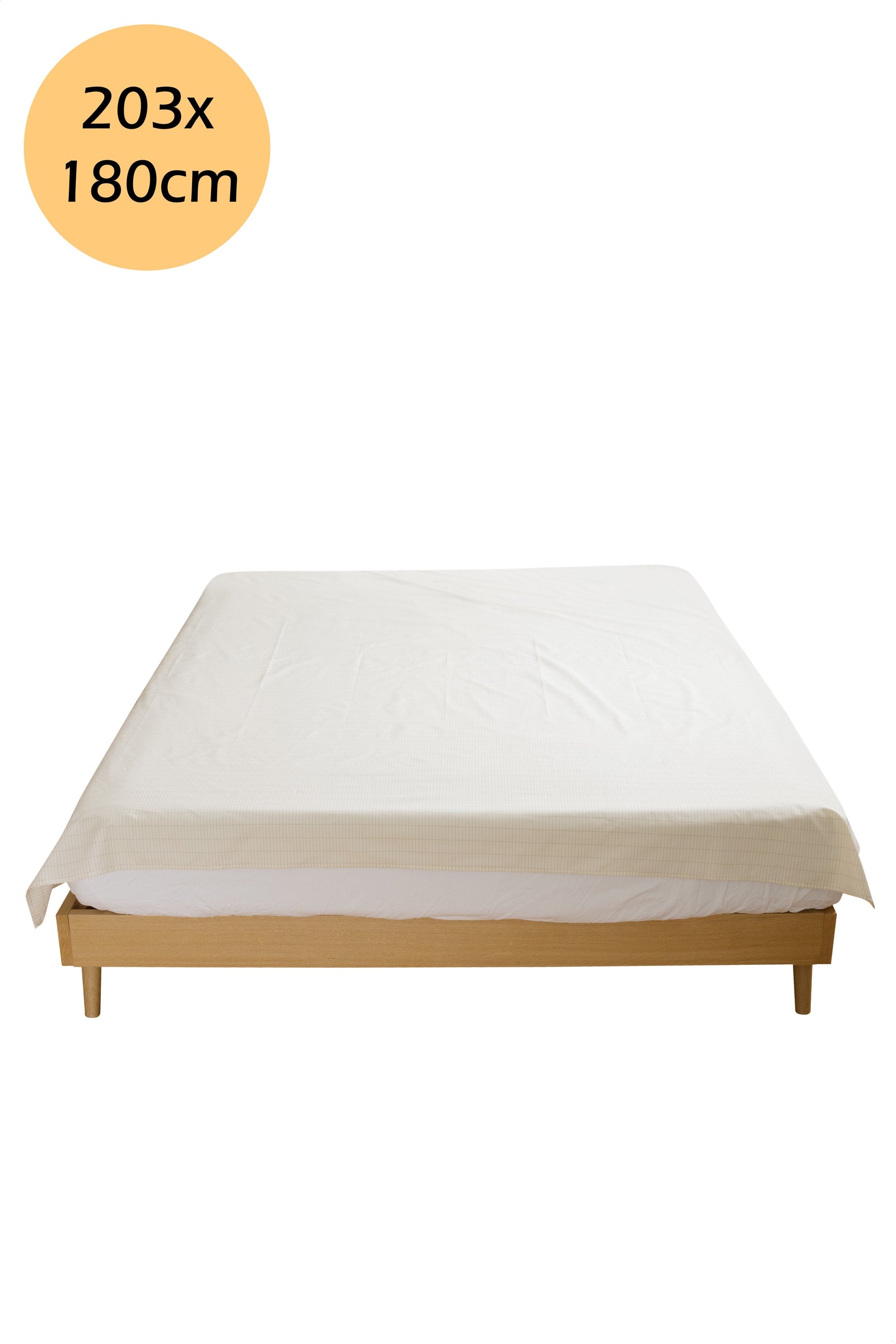
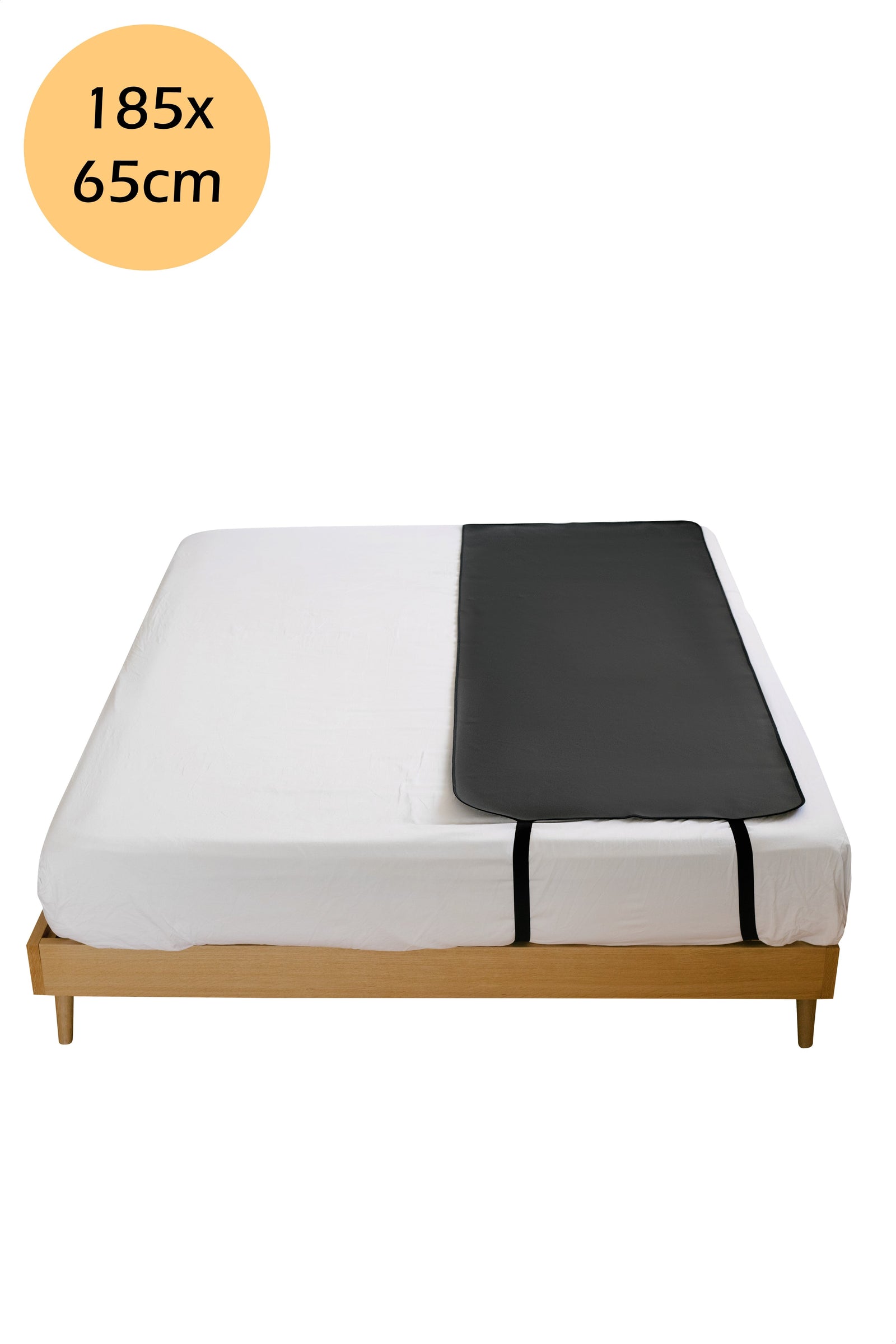
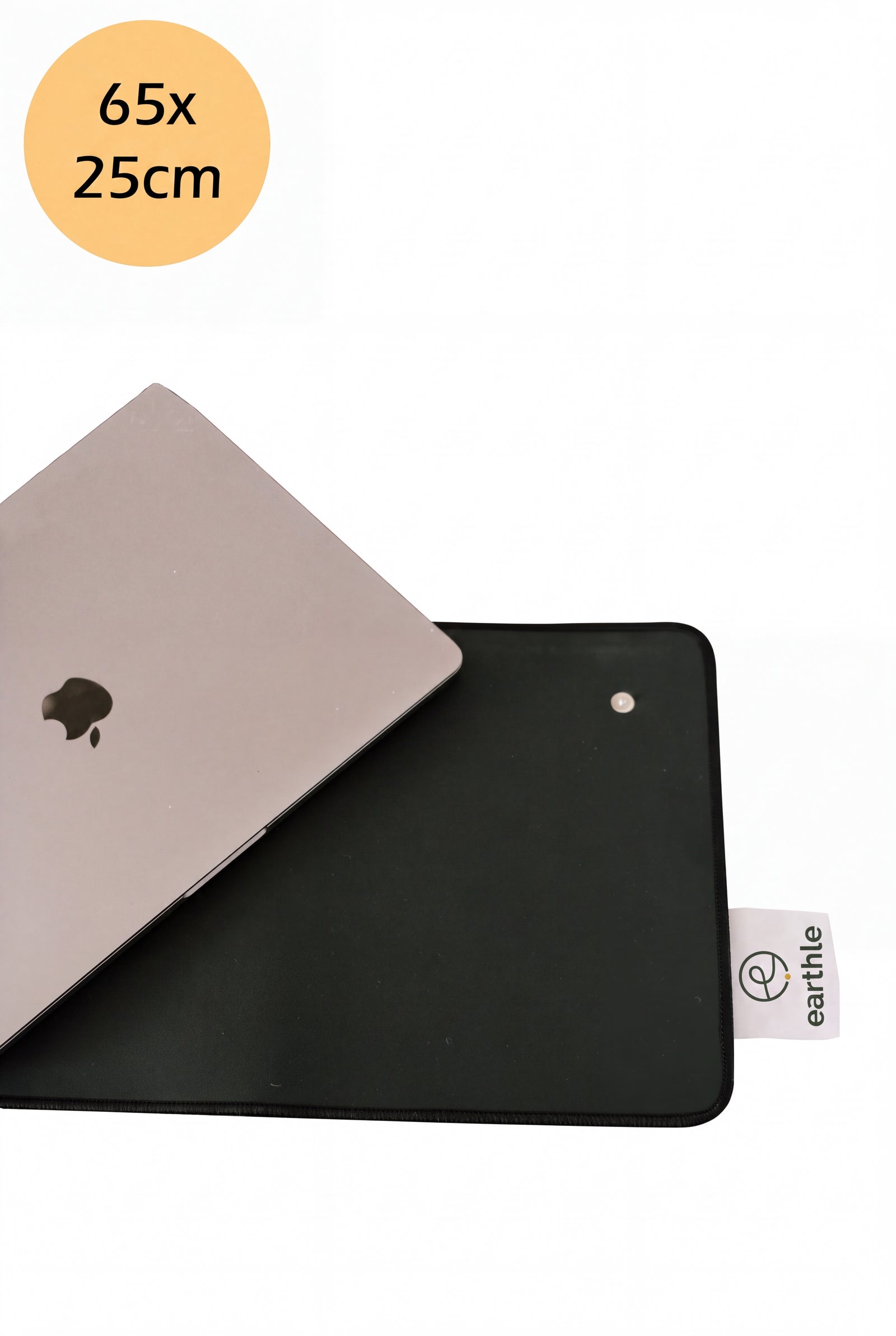
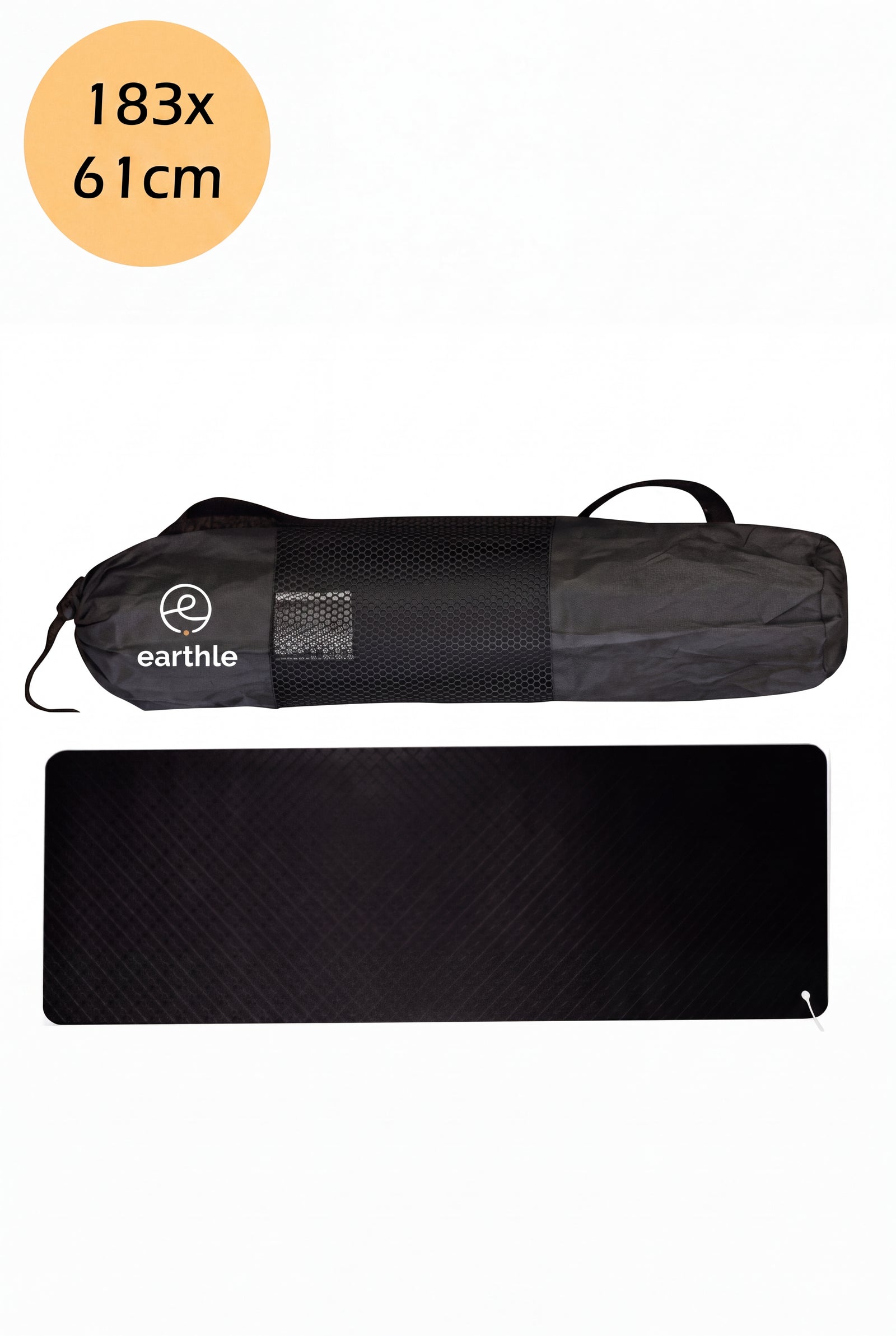
The intervention combined grounding during work with grounding during sleep. You can reproduce that structure as a simple wellness routine: a Desk Mat for your hands or feet by day, then a Sleep Mat or Earthing Sheet for longer contact at night. Contact time fits into the life you already lead.
- Use the Desk Mat on regular workdays and keep the rest of your routine stable.
- Record pain, morning energy and fatigue on a 1-to-10 scale for two weeks.
- Combine daytime and overnight use if you want to stay close to the study schedule.
- Ask a doctor or physiotherapist about pain that persists or becomes worse.
Which Earthle product fits this use
The Earthle Desk Mat best matches grounding while you work. Add a Sleep Mat or Earthing Sheet for the longer contact period used in the study. This makes consistency easy to maintain.
Sources
- Chevalier et al., Explore, 2019 Bij zestien massagetherapeuten gingen vier geaarde weken samen met meer energie en fysieke functie en minder pijn en vermoeidheid dan in de niet-geaarde weken; de groep is klein en het onderzoek is mede gefinancierd vanuit de aardingsbranche, al gebruikte de opzet wel blinding en gecodeerde sham-kabels.
- Chevalier et al., Health, 2018 Dit verkennende vervolgonderzoek bij dezelfde kleine groep massagetherapeuten mat naast de vragenlijsten ook bloedwaarden zoals viscositeit en ontstekingsmarkers; het is exploratief en niet apart in een grotere, onafhankelijke groep herhaald.
All links checked on September 11, 2026.