Grounding and the autonomic nervous system: what two double-blind studies found
Two blinded experiments show that the body can respond measurably within a single grounding session. The rapid changes in skin conductance and heart rate variability make this a particularly useful line of research.

Grounding is often discussed in relation to sleep or pain, yet some of its fastest measured effects involve the nervous system. In two double-blind studies, participants received real and sham grounding without knowing which session was active. During the same session, instruments recorded changes in skin conductance, breathing and heart rate variability.
The study with 28 participants
Chevalier (2010) studied 14 men and 14 women aged 18 to 80. Each participant sat in the same comfortable chair for two hours: 40 minutes before connection, 40 minutes grounded and 40 minutes after disconnection. On another day, they completed an identical sham session. Because everyone experienced both conditions, each participant served as his or her own control.
Skin conductance fell immediately in every participant when the real ground was connected and rose again when the connection was removed. Breathing rate and the variability of blood oxygenation, pulse and perfusion also changed during or shortly after the active session. The sham session did not show the same characteristic on-off pattern.
Heart rate variability shows more than quiet rest
A second experiment by Chevalier and Sinatra (2011) again compared real and sham grounding, this time in 27 participants. Researchers tracked heart rate variability, or HRV. This measure describes variation in the time between heartbeats and is widely used to study how the activating and restorative branches of the autonomic nervous system work together.
HRV improved more during true grounding than during quiet sitting alone; the difference was statistically significant at p < 0.01. The setup kept relaxation and expectation largely the same. Electrical contact was the key difference.
The persuasive finding is a rapid, reversible physiological signal under blinded conditions. That pattern fits a direct influence on autonomic regulation and cannot be explained simply by enjoying a quiet break.
How to use this in a daily routine
These studies do not set a compulsory dose. They do show that 40 minutes was long enough to measure a response. You can attach that contact period to something already in your day.
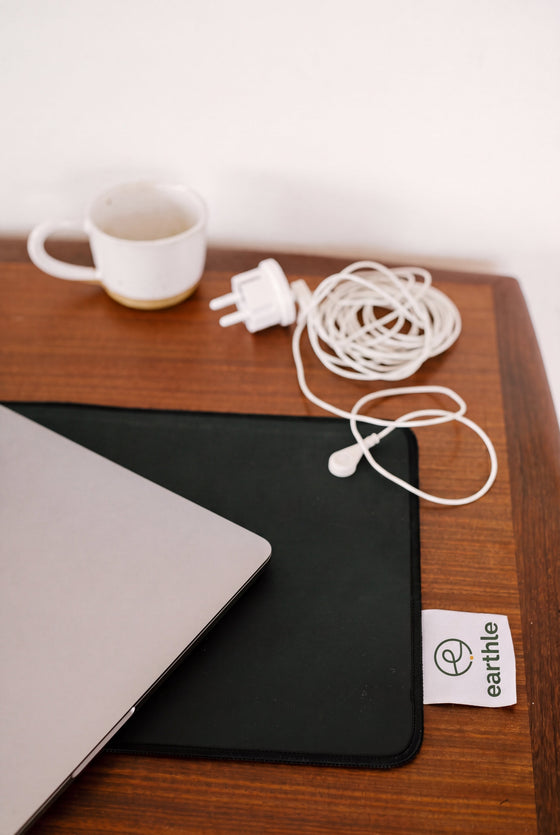
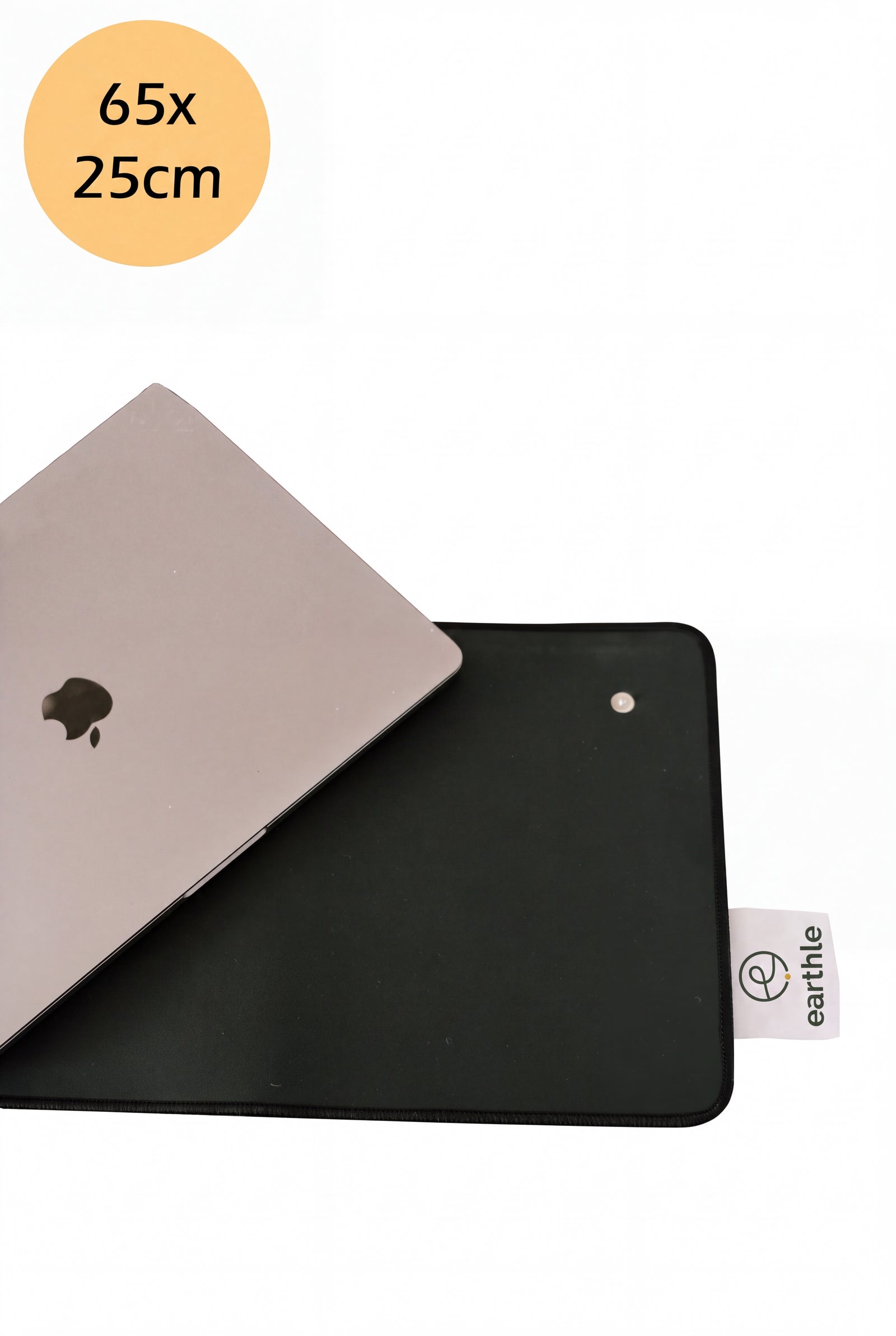
- Rest bare feet or forearms on an Earthle Desk Mat while reading or working at a computer.
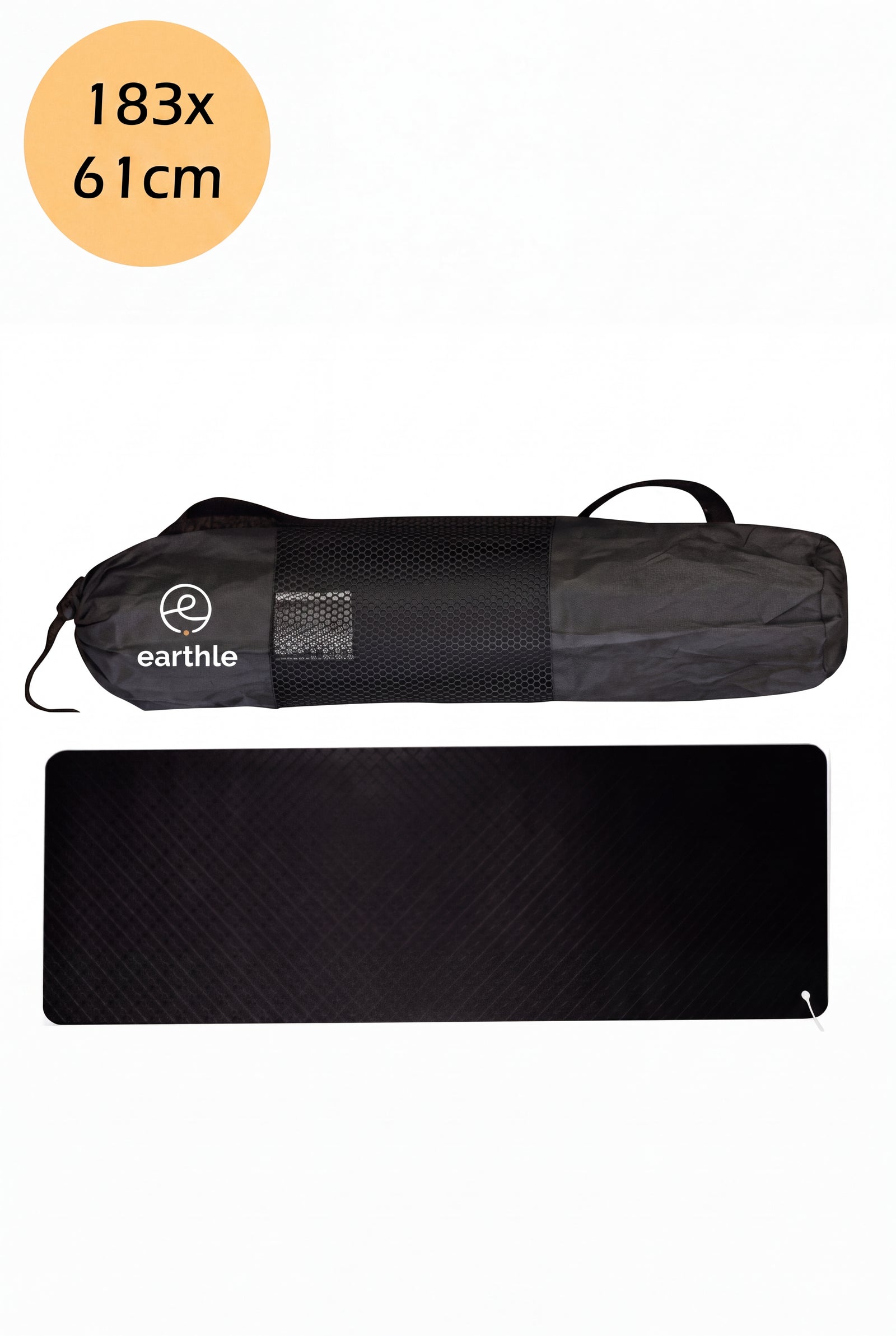
- Use the Yoga Mat during gentle mobility, breathing practice or meditation.
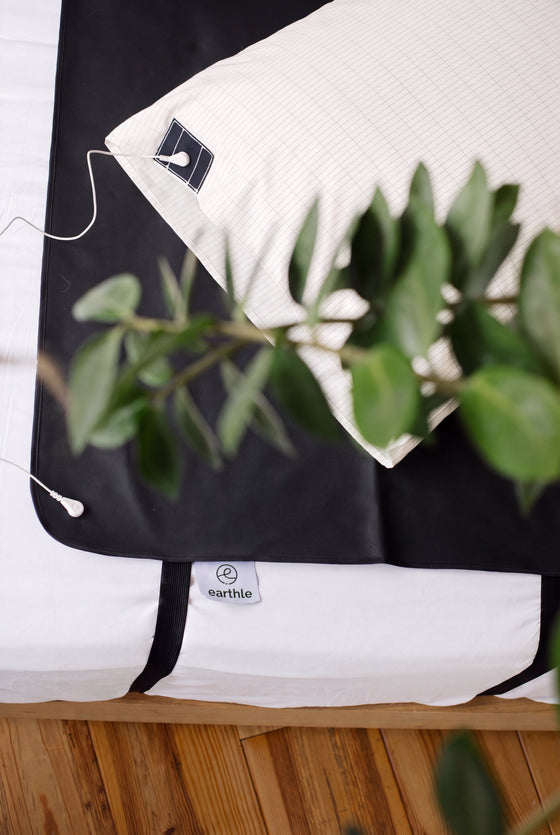
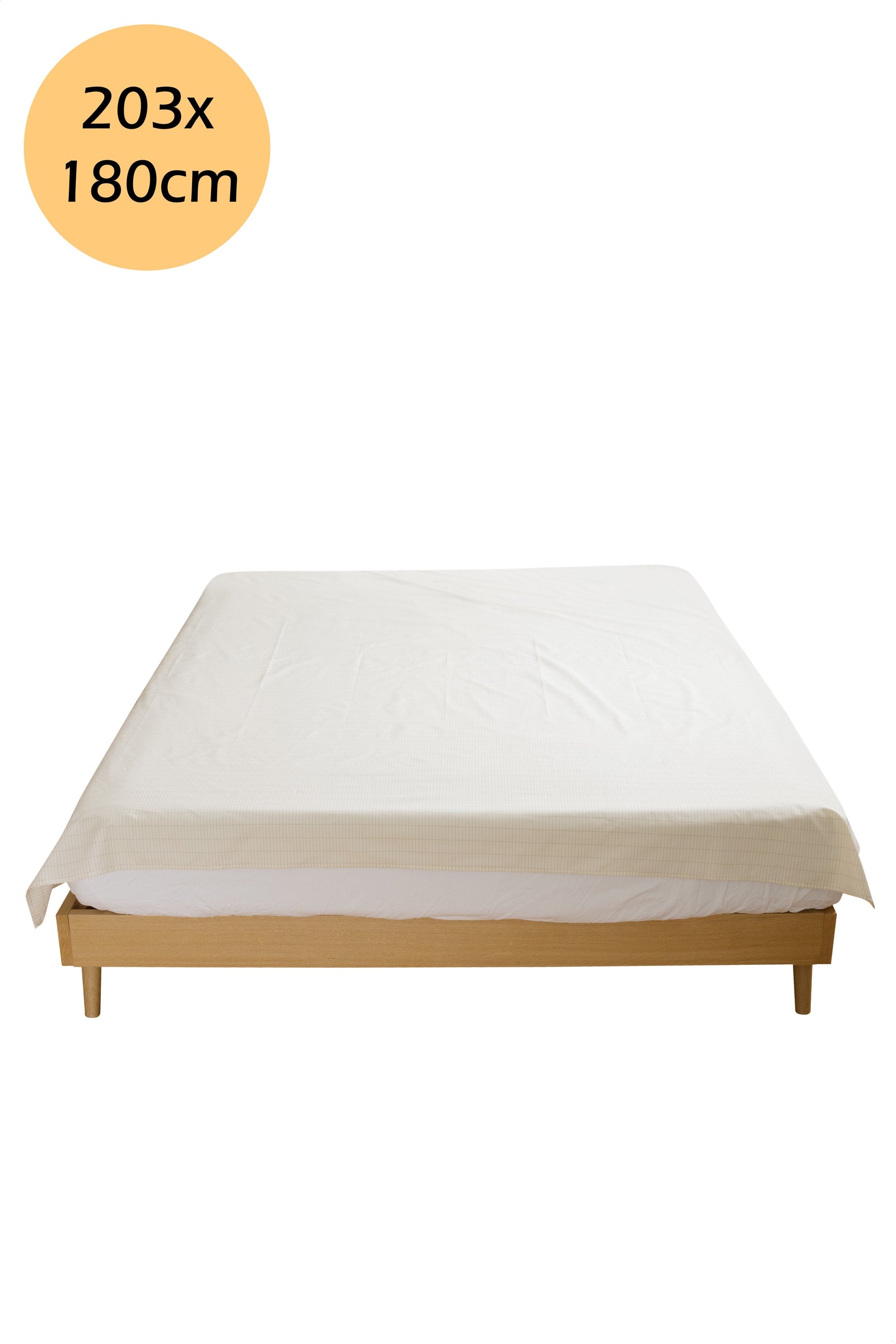
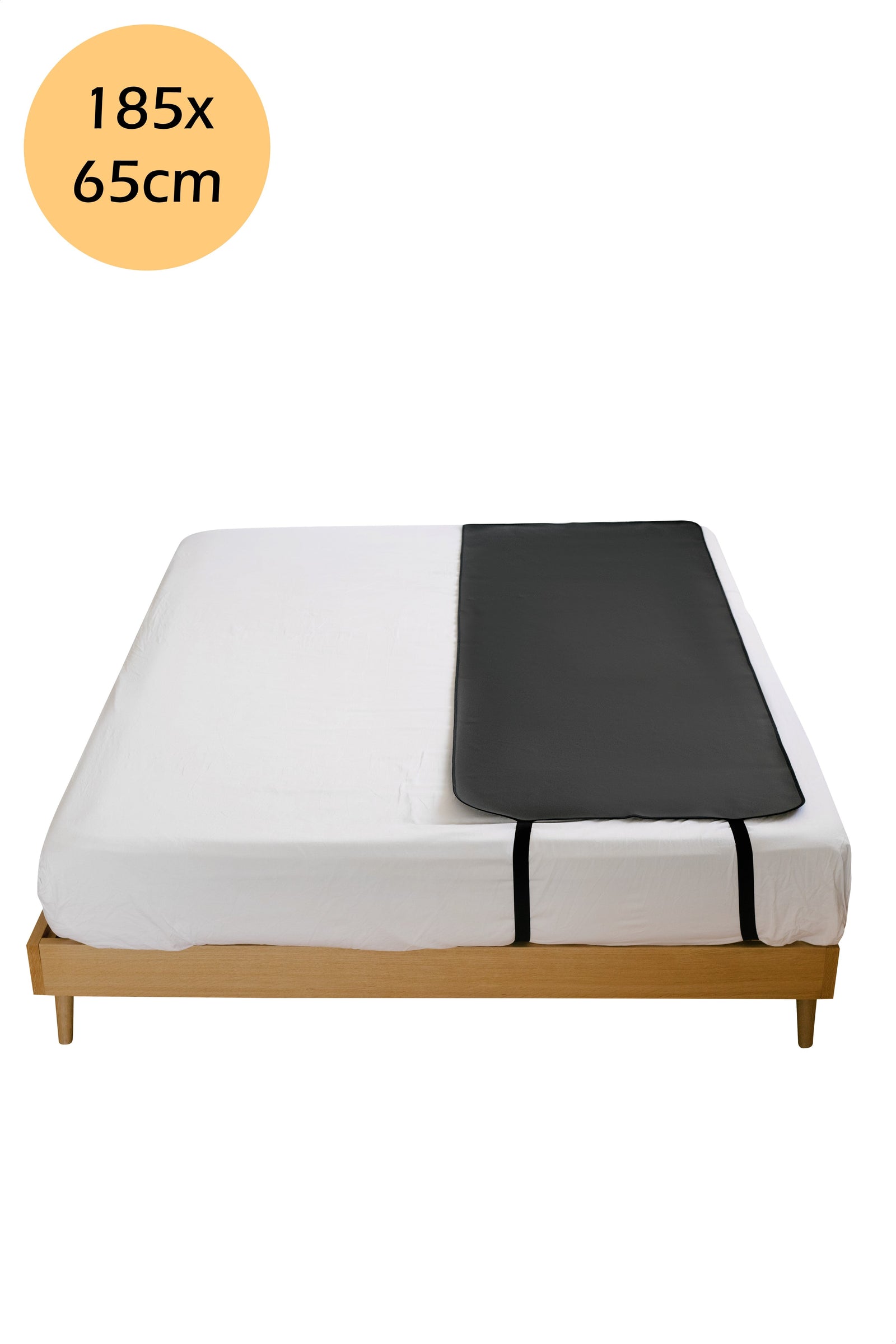
- Choose a Sleep Mat or Earthing Sheet for longer contact without setting aside extra time.
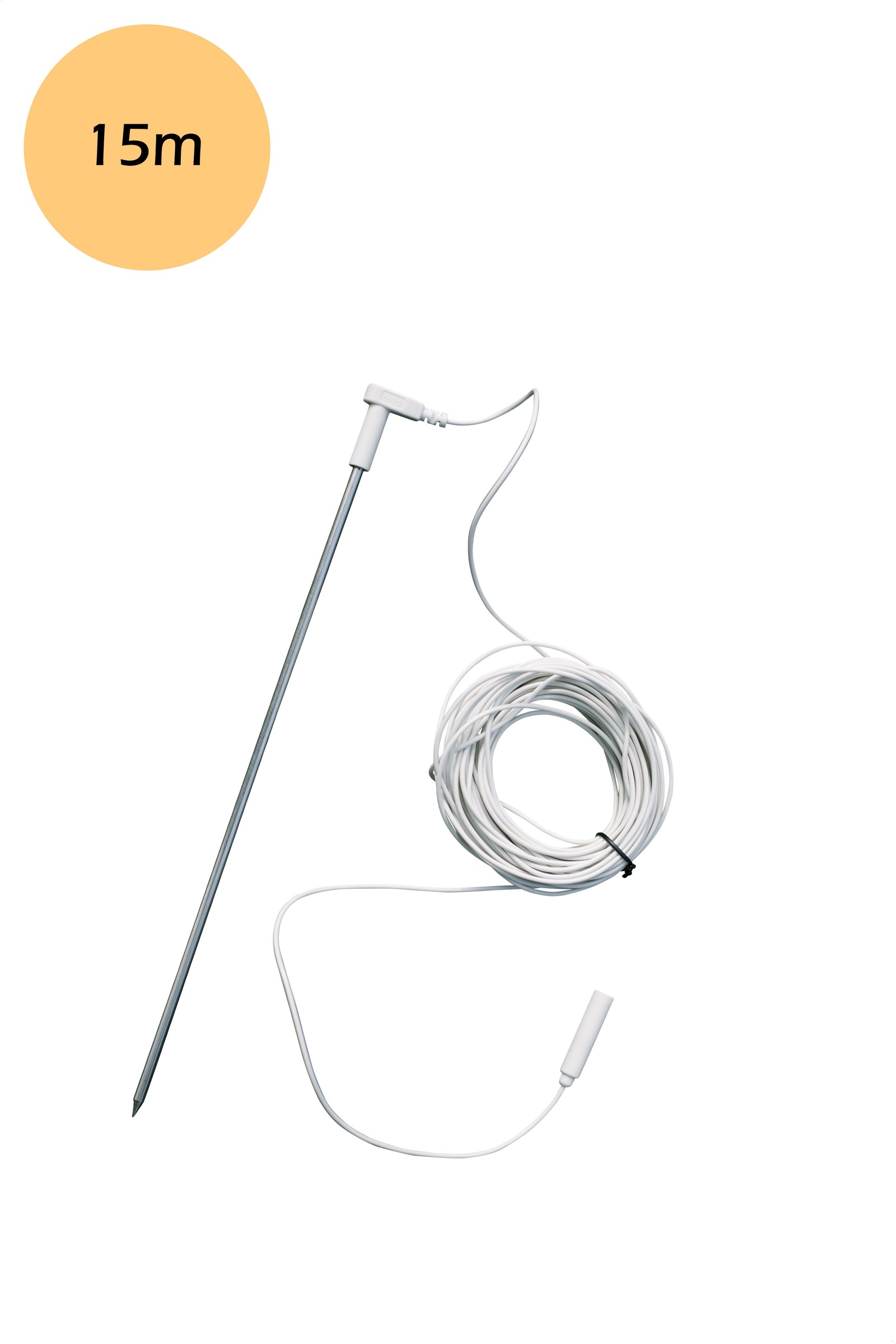
- Check the connection with a socket tester or multimeter so you know the setup is genuinely grounded.
Why this is a strong starting point
The samples were small, but the design has two important strengths: blinding and a sham condition. Skin conductance also changed when grounding started and changed back when it stopped. That timing is exactly what a real electrical effect should produce. Larger replications can now test how these acute changes translate into sleep, resilience to stress and recovery over longer periods.
Which Earthle product fits this use
For a practical version of the studied contact period, the Earthle Desk Mat is the easiest daytime option. The Sleep Mat and Earthing Sheet provide longer, effortless contact. Every product creates the same type of ground connection, so choose the one you will use consistently.
Sources
- Chevalier, Journal of Alternative and Complementary Medicine, 2010 In dit dubbelblinde experiment met 28 volwassenen veranderden huidgeleiding, ademhaling, pols en zuurstofsaturatie meetbaar tijdens veertig minuten grounding; de meting toont een fysiologisch effect op korte termijn, geen bewijs voor een gezondheidsuitkomst op lange termijn.
- Chevalier & Sinatra, Integrative Medicine, 2011 Bij 27 deelnemers verbeterde de hartslagvariabiliteit sterker tijdens echte dan tijdens sham-aarding; het is dezelfde kleine onderzoekslijn als de eerdere Chevalier-studie en de auteurs publiceren zelf veel over aarden.
All links checked on September 11, 2026.