Grounding and mitochondria: new research on ATP and oxidative stress
A 2025 FEBS Open Bio study found higher ATP production and fewer reactive oxygen species in grounded mitochondria. It directly tested a proposed grounding mechanism for the first time.

Explanations of grounding often mention electrons, free radicals and oxidative stress. Until recently, there was no direct experiment on the part of the cell where energy and many reactive oxygen species originate: the mitochondria. A 2025 study by Giulivi and Kotz began to fill that gap.
What ATP and ROS do
Mitochondria turn nutrients into ATP, the molecule cells use to perform work. This process also produces reactive oxygen species, usually shortened to ROS. ROS have normal signalling roles, but excess production can contribute to oxidative stress. Efficient bioenergetics therefore pairs productive ATP output with controlled ROS generation.
Three conditions that differed only in grounding
Researchers Giulivi and Kotz used isolated, purified mouse-liver mitochondria. They compared a genuinely grounded setup with an identical sham setup and a third condition with no wiring. A multimeter confirmed the ground connection. Fluorescence assays avoided metal probes that could accidentally ground the test system.
ATP and hydrogen peroxide were measured at 0, 15 and 30 minutes. Experiments used at least two biological replicates and three technical replicates for each condition, allowing the electrical difference to be isolated carefully.
More ATP and fewer reactive oxygen species
ATP production under grounded conditions was 5 to 11 percent higher than in sham and unwired conditions. In absolute values, grounded mitochondria produced an average 444 units of ATP, compared with 420 in sham and 396 in the untouched condition. The differences were statistically significant.
ROS production was 22 to 33 percent lower with grounding. Mitochondrial membrane potential also fell slightly, by about 5 to 6 percent. The authors explain that this subtle electrical shift fits more efficient coupling between electron flow and ATP production.
This is the most direct mechanistic result so far: in a controlled experiment, grounding shifted both energy production and oxidative-stress markers in a favourable direction.
Why the publication matters
The paper appeared in FEBS Open Bio and compared real grounding with two controls. It tested a specific mechanism rather than relying on a questionnaire or feeling. That creates a biological bridge between electrical contact with Earth and the recovery and relaxation outcomes observed in human studies.
From laboratory to human research
The experiment used mitochondria outside a living body. Its percentages cannot be translated into '11 percent more energy' for a person. The value lies in the direction and measurability of the response. A logical next step is a human trial combining grounding with biomarkers of cellular energy and oxidative stress.
How Earthle products fit the research question
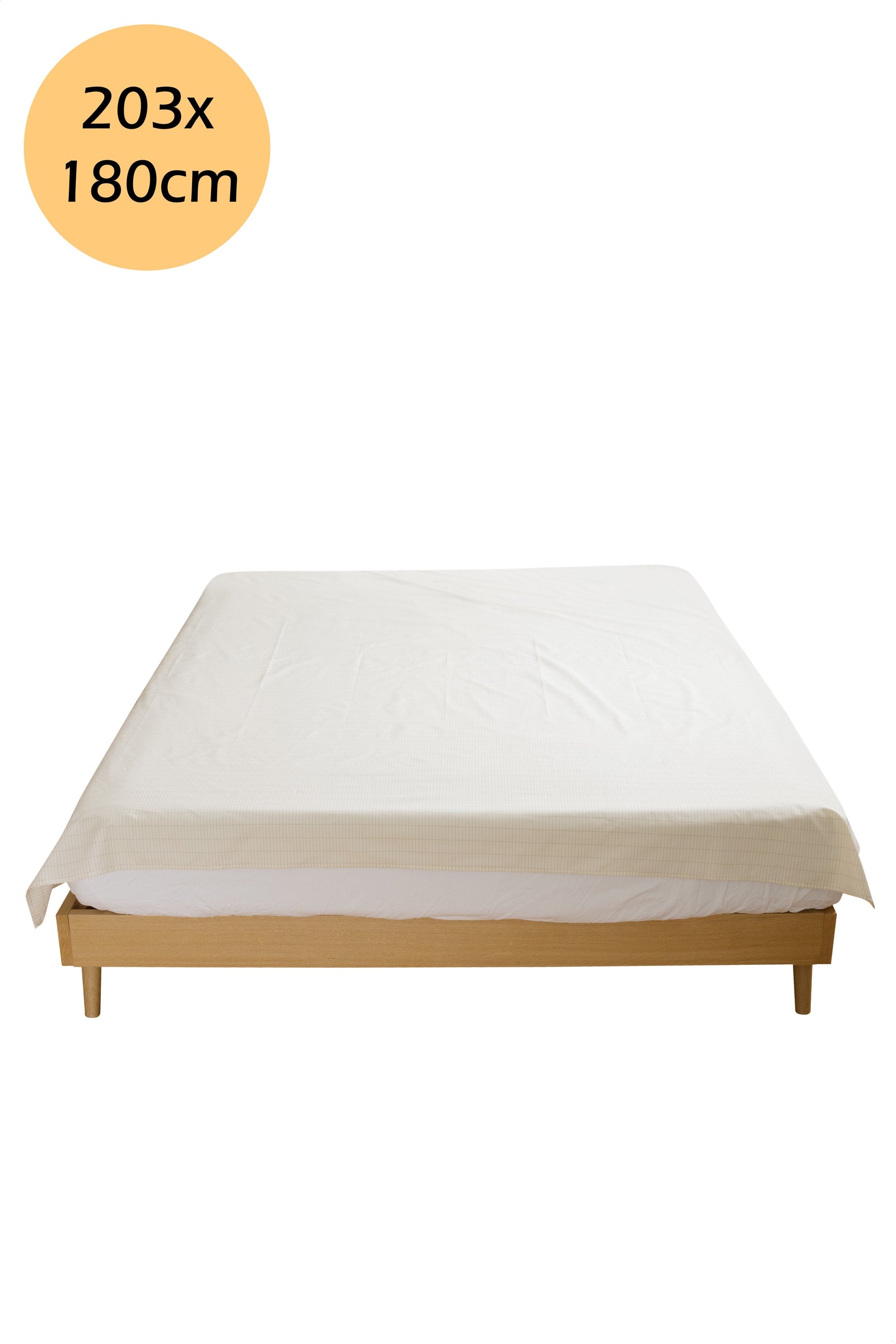
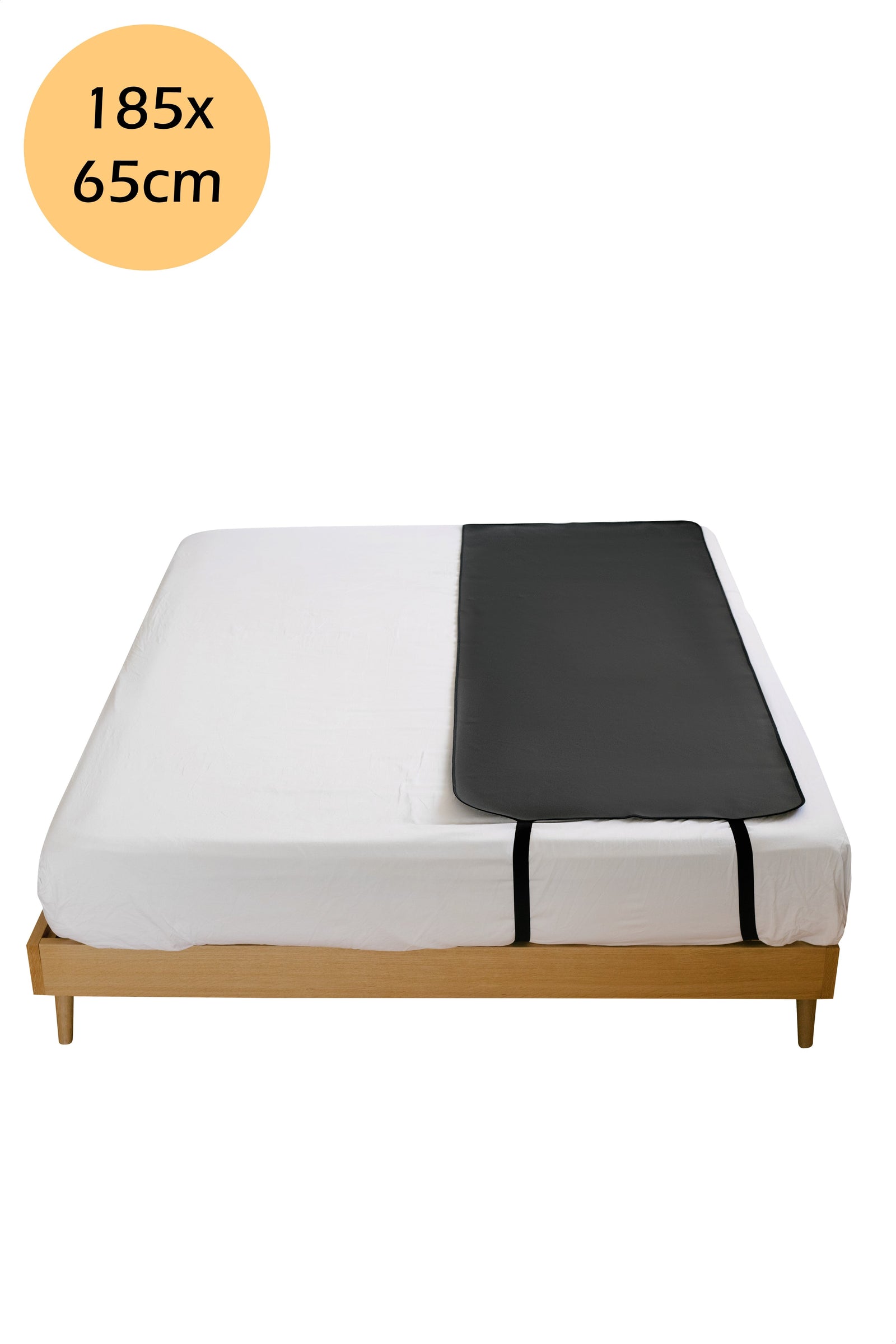
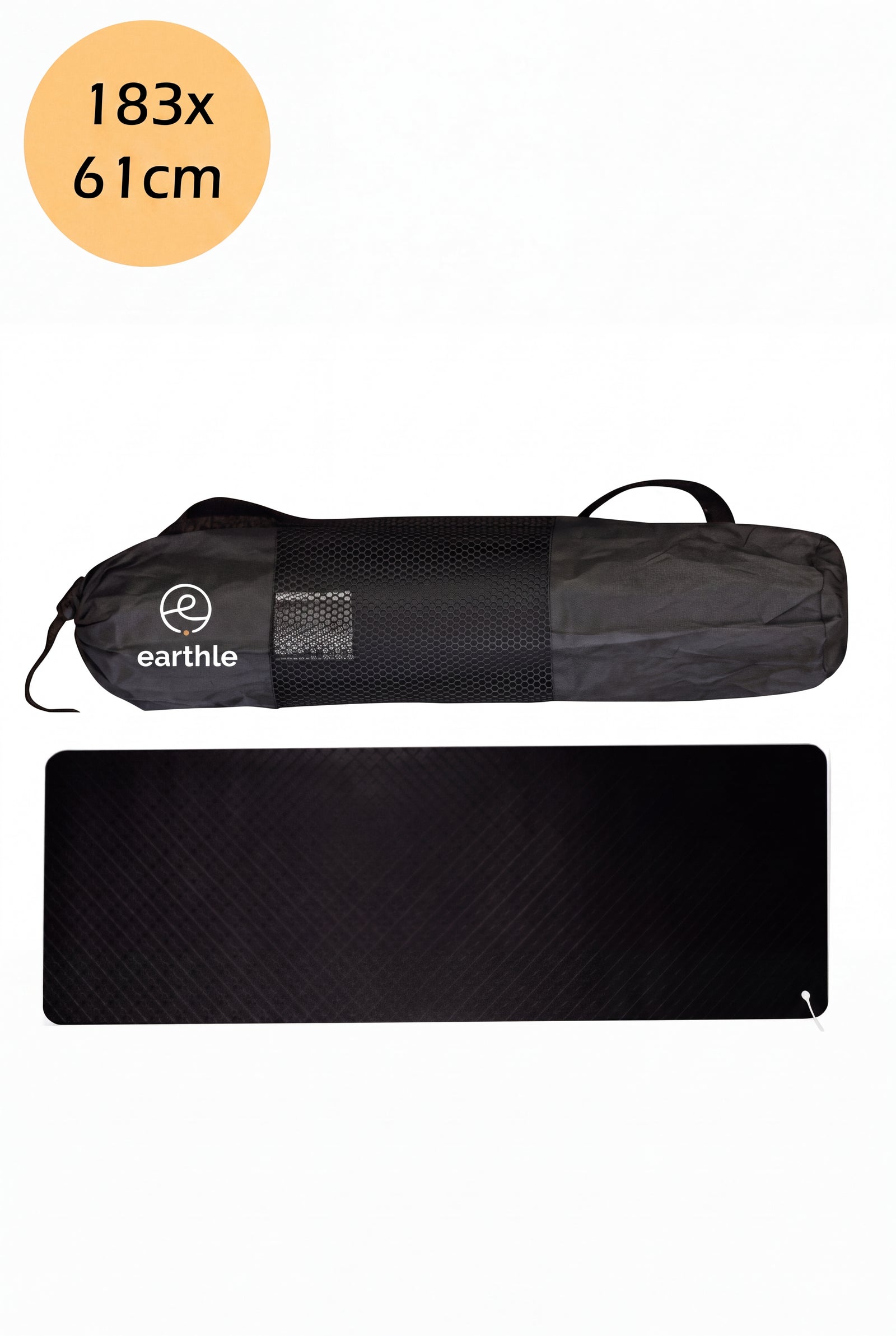
An Earthle mat, sheet or sleep mat connects your body electrically to Earth through a conductive surface and a grounded outlet. That is the same underlying condition the researchers deliberately switched on and off. The laboratory study does not prove treatment, but it offers a fresh, measurable reason to investigate consistent grounding as a wellness routine.
- Choose a product that creates plenty of contact time: a Desk Mat by day or a Sleep Mat and Sheet at night.
- Use it regularly; future studies need to establish how duration and frequency affect the biological response.
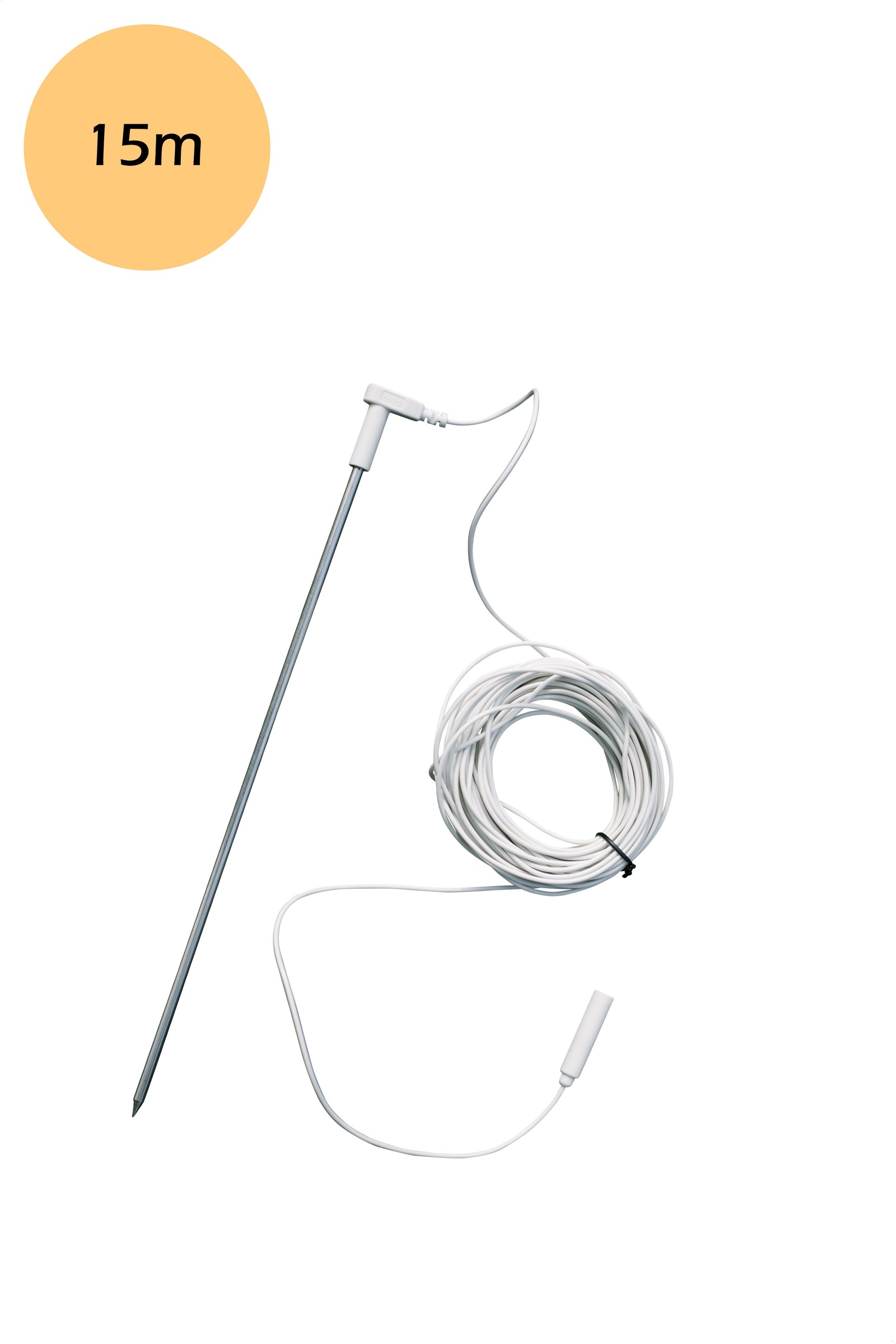
- Check the electrical connection, because the tested condition does not exist without a working ground.
Which Earthle product fits this use
Every Earthle product uses the same electrical principle as the experiment: a conductive surface connected to ground. A Desk Mat suits regular daytime sessions, while a Sleep Mat or Earthing Sheet provides hours of contact during sleep.
Sources
- Giulivi & Kotz, FEBS Open Bio, 2025 Dit experiment gebruikte geïsoleerde mitochondriën uit muizenlever buiten een lichaam en mat 5 tot 11 procent meer ATP en 22 tot 33 procent minder reactieve zuurstofverbindingen bij aarding; de percentages laten een mechanisme zien, maar zijn niet rechtstreeks te vertalen naar een effect bij mensen.
All links checked on September 11, 2026.