Grounding for beginners: what you need to know
Grounding is a powerful practice where you make direct contact with the earth, which helps restore your body's natural electrical balance. It offers benefits such as improved sleep, reduced stress, and anti-inflammatory effects. Start simply by walking barefoot outside or use grounding products from Earthle for a safe experience, even indoors.

Grounding comes down to your skin making contact with the earth. Outdoors that means bare feet; indoors it runs through the earth connection in your socket. There is not much more to it. Even so, almost everyone who starts runs into the same four questions: what actually happens, where do I begin, how long does it need to be, and which product do I need. Here they are in order.
What happens when you make contact
The earth is a source of negatively charged free electrons. As soon as your skin makes contact, the voltage between you and the ground equalises. That is not a theory but something you can measure: your skin usually carries a few hundred millivolts, and once the connection is there it drops to almost nothing.
In daily life that contact almost never happens. Rubber soles do not conduct and we spend most of the day indoors. What grounding is and what has been measured is covered in more depth in what grounding is and what it does to you.
Starting outdoors costs nothing
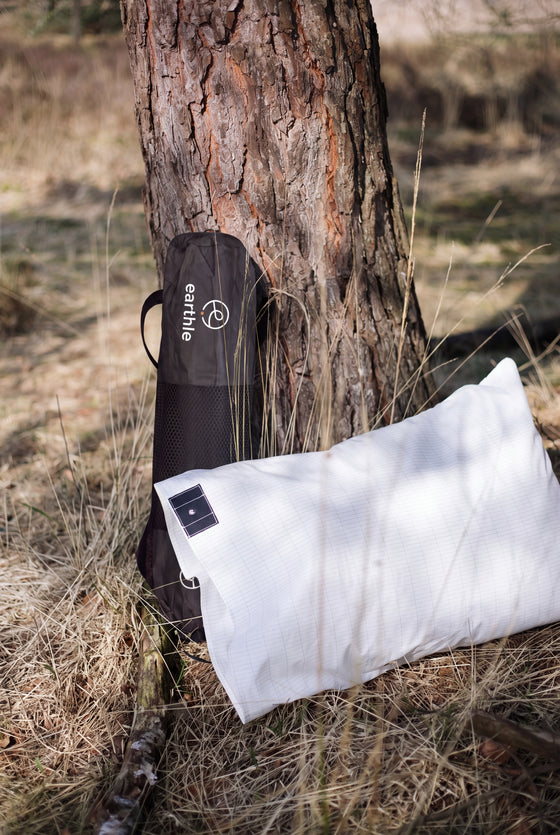
The easiest first step is shoes off on grass, sand or damp soil. Concrete works too, as long as it is untreated and sits directly on the ground. What does not work: asphalt, paving laid over a vapour barrier, wood, and anything varnished.
Twenty minutes is enough to notice something. Damp ground conducts better than bone-dry sand, so early morning with dew on the grass beats the middle of a hot day. There is more on that in walking barefoot outdoors.
Indoors: the earth connection in your socket
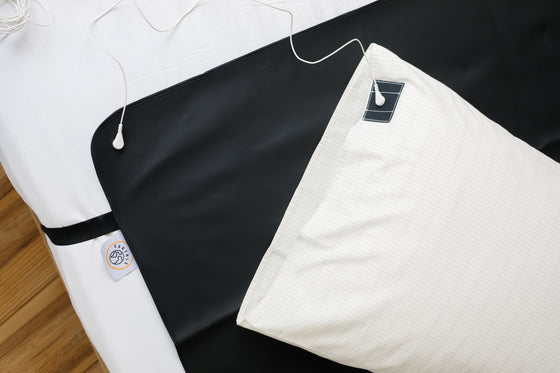
For a large part of the year walking outside is not a serious option, and that is exactly why earthing products exist. They are conductive and connect by cable to the earth pin of your socket. Indoors that pin already runs through to the earth electrode outside, so you are making the same connection as in the grass.
No current flows through the cable. The plug contains a 100,000 ohm resistor that enforces this; it connects, it does not power anything. How that works is set out in grounding: safe and effective.
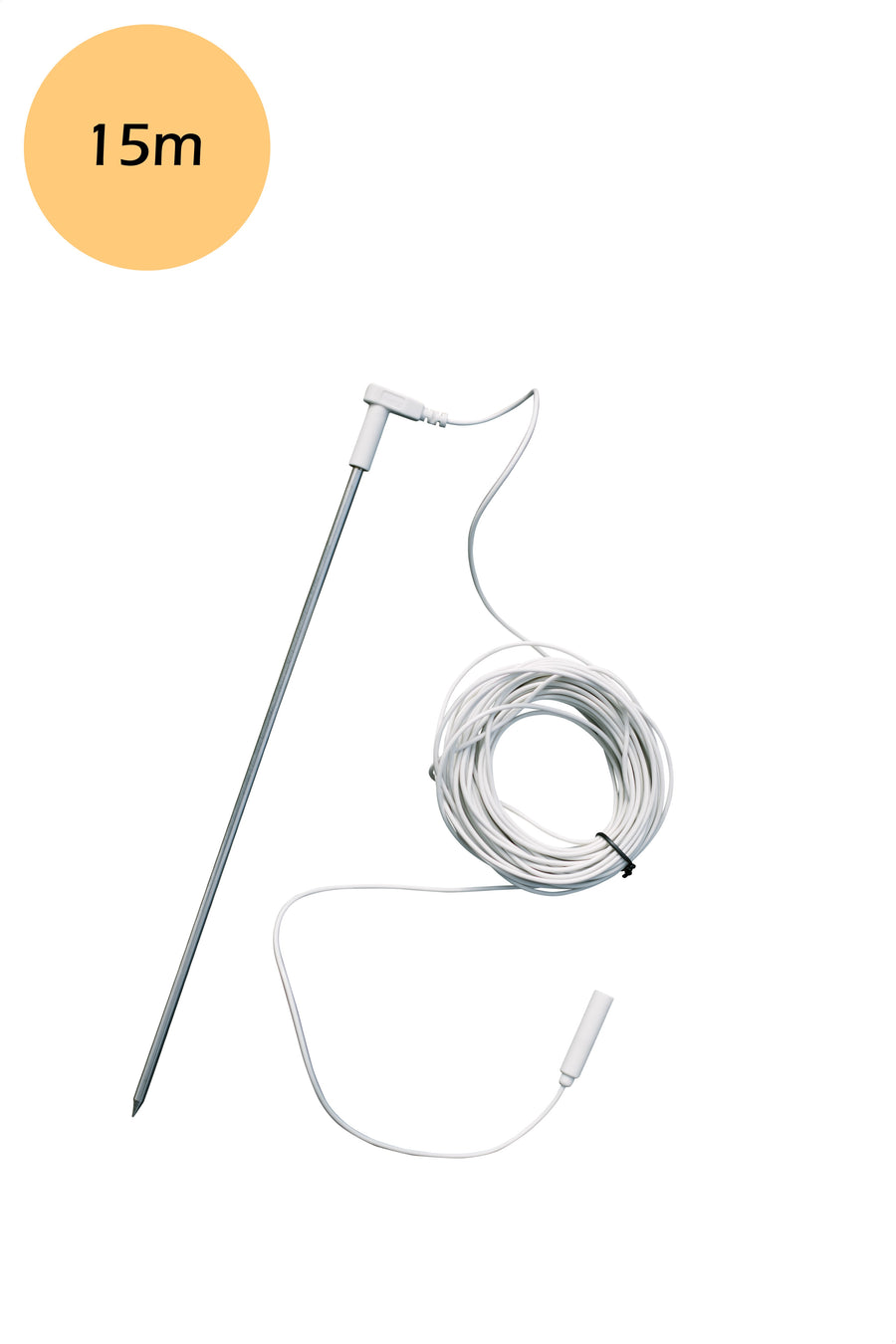
If there is no earth pin in your bedroom socket, it still works, with an earthing rod in the garden or an alligator clip on the radiator pipe. Both routes are set out step by step in grounding without an earthed socket.
The first few weeks
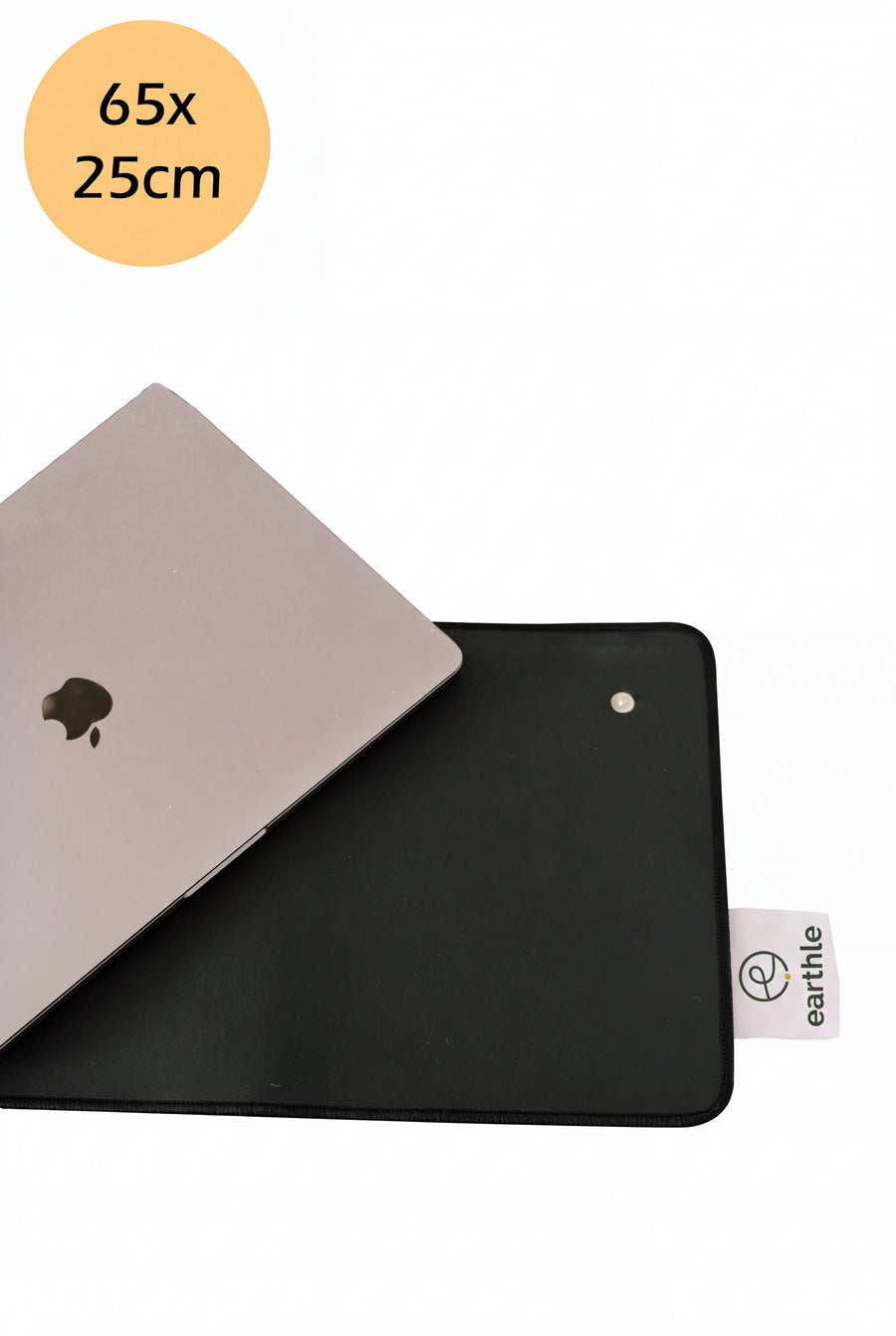
For most people sleep is the obvious starting point, simply because you get seven or eight uninterrupted hours of contact without any effort. During the day, an hour at your desk with your forearms on a mat is already worthwhile.
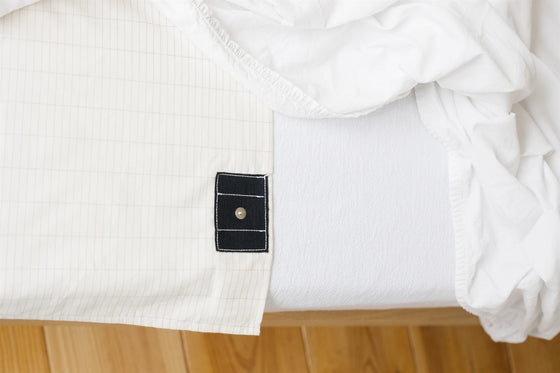
Three things determine how it goes. First, the contact itself: directly on your skin conducts best, but pyjamas, an ordinary fitted sheet or a duvet cover in between still conducts perfectly well, because your skin always gives off a little moisture. Plenty of people choose that deliberately, because a mat can feel cool and because you perspire at night; such a layer is easier to wash than the product itself. Only through a thick fleece blanket does little happen.
Second, washing: fabric softener leaves a film on the fibres that works against conductivity, so leave it out and otherwise follow the care instructions on the label. Third, patience. Some people notice something the first night; for others it takes a week or two. What you can expect is covered in what you can feel and expect.
If you take blood thinners, have a word with your doctor before you start, and never change your dose yourself. Earthle does not sell medical devices and does not replace treatment.
Which product suits you?
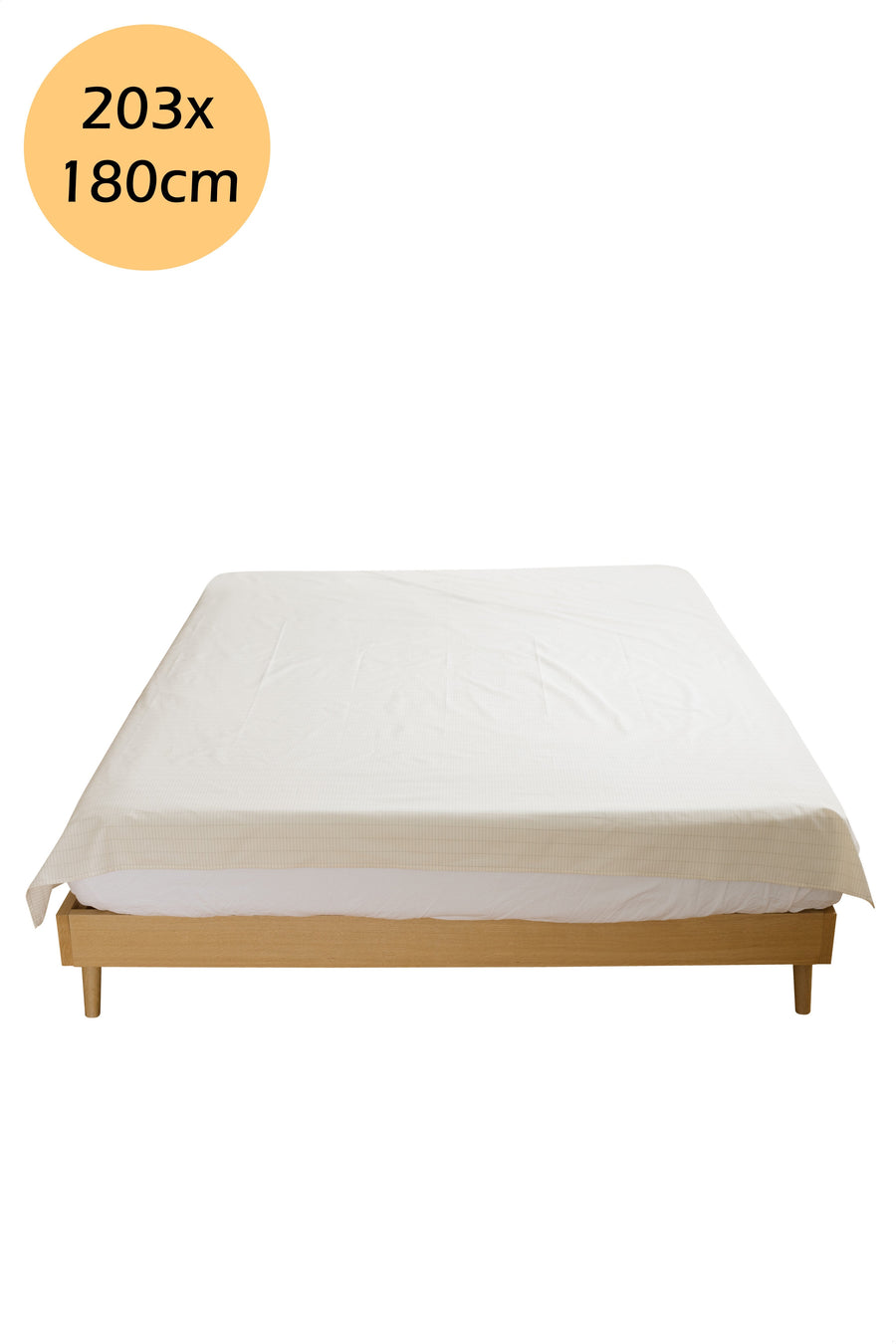
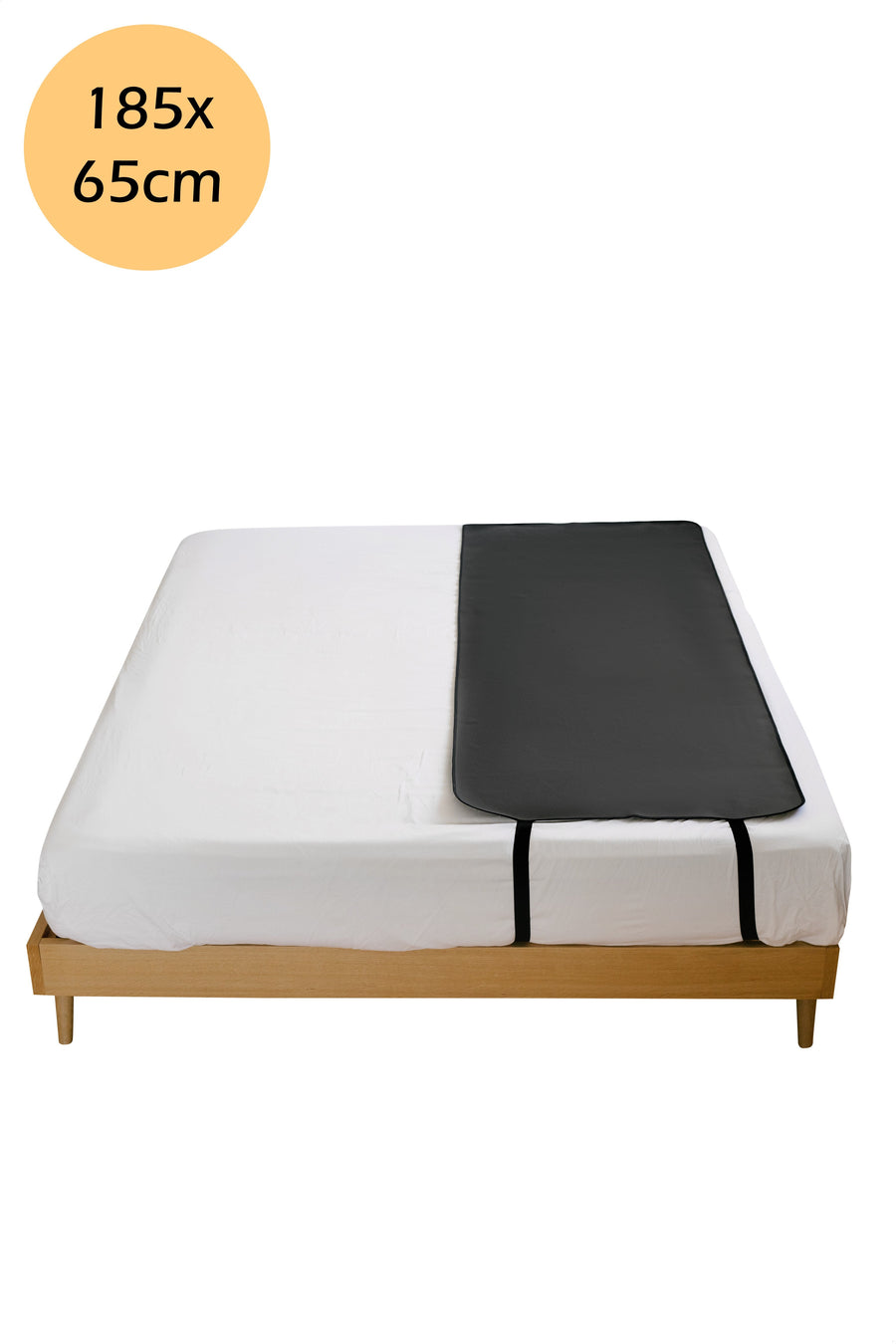
What suits you depends on a few things: whether you want to be grounded asleep or awake, how wide your mattress is, and whether that room has an earthed socket. At the bottom of the shop page there is a guide that asks exactly that in a few short questions and then shows which product and which size fit your situation. Including when your mattress is an unusual size or there is no earthed socket nearby.
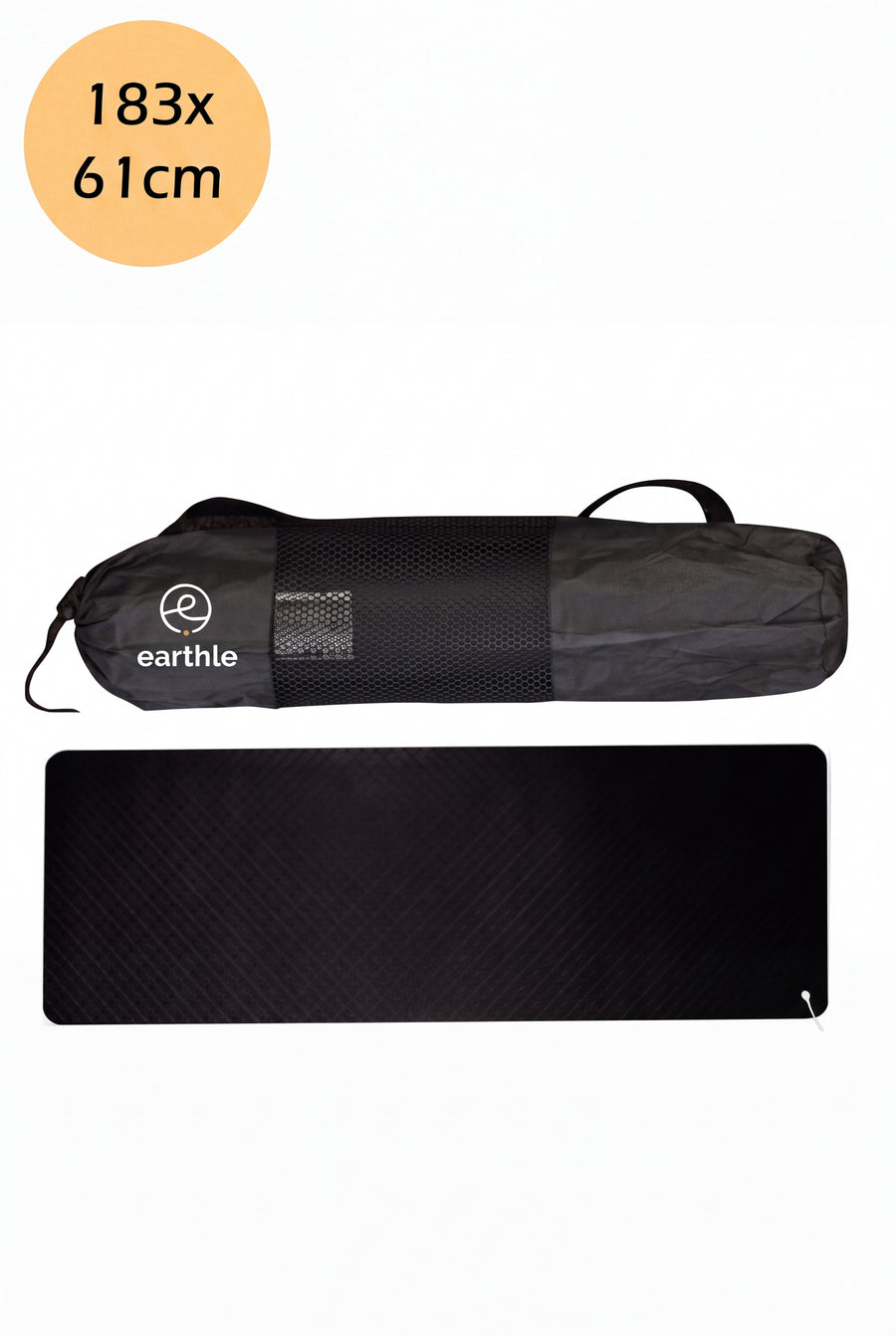
If you are still unsure, start small. A pillowcase is the smallest step: you change nothing about your bed and you have thirty days to change your mind. If you want the whole bed straight away, the sheet or the sleeping mat is the usual choice, and for your desk the desk mat.