Walking barefoot outdoors: the power of earthing
Walking barefoot on grass or sand is not only enjoyable but also healthy! This practice, known as earthing, helps restore your body's natural electrical balance. Benefits include improved sleep, reduced inflammation, stress reduction, and better circulation. Make time for barefoot walks and combine them with grounding products like the desk mat or yoga mat for extra health benefits. Discover the power of earthing and feel better both physically and mentally!

This is the cheapest way to ground yourself: take your shoes off. No cable, no socket, no product. It just does not work on every surface, and that is exactly where most people go wrong. Below is where it works and where it does not, how long you need, and what to do in the months when it simply is not an option.
Why it does anything at all
The earth is a source of negatively charged free electrons. As soon as your skin makes contact, the voltage between you and the ground equalises. Your skin normally carries a few hundred millivolts from the wiring around you; with bare feet on damp grass that drops to almost nothing.
Rubber soles do precisely the opposite: they insulate. That is why you can walk through the woods for an hour without making contact for a single moment. What grounding otherwise does to you is in what grounding is and what it does to you.
Which surfaces work
Grass, sand, soil and gravel all conduct. Untreated concrete works too, as long as it sits directly on the ground: a kerbstone or an old patio is fine. Seawater is the best conductor there is, so paddling at the coast counts double.
What does not work: asphalt, wood, varnished or coated floors, and paving slabs laid on sand with a membrane or plastic sheet underneath. A balcony floor on the third storey does not work either, because it connects to nothing in the ground.
Moisture makes the difference
This is the factor that matters most. Damp ground conducts considerably better than bone-dry ground. Grass with dew on it, early in the morning, is therefore more effective than the same lawn at three in the afternoon in August. After a shower of rain it is ideal.
The same goes for sand: wet sand near the waterline works distinctly better than the dry, hot sand further up the beach.
How long
Twenty to thirty minutes is the figure that recurs most often in the research. It does not have to be a separate activity: into the garden with your coffee, mowing the lawn barefoot, or a lap of the grass while you are on the phone.
What to watch out for
Look where you are stepping. Glass, thorns and dog mess are the practical objections, not the theory. Start somewhere you know, such as your own garden or a familiar stretch of beach.
The soles of your feet need to adjust. The first few times even grass feels tender if you always wear shoes; that passes by itself if you keep it up for a few weeks. And in the cold, just go by how it feels: briefly is fine, but do not stand on freezing ground because it is supposed to be good for you.
The seasonal problem
Here is the crux. In this part of Europe, walking barefoot outdoors is comfortable for about four months a year, and precisely in the dark months, when sleep and energy suffer most, it is not an option.
That is what earthing products are for: they make the same connection through the earth pin of your socket, only indoors and all year round. How that works technically is in grounding: safe and effective.
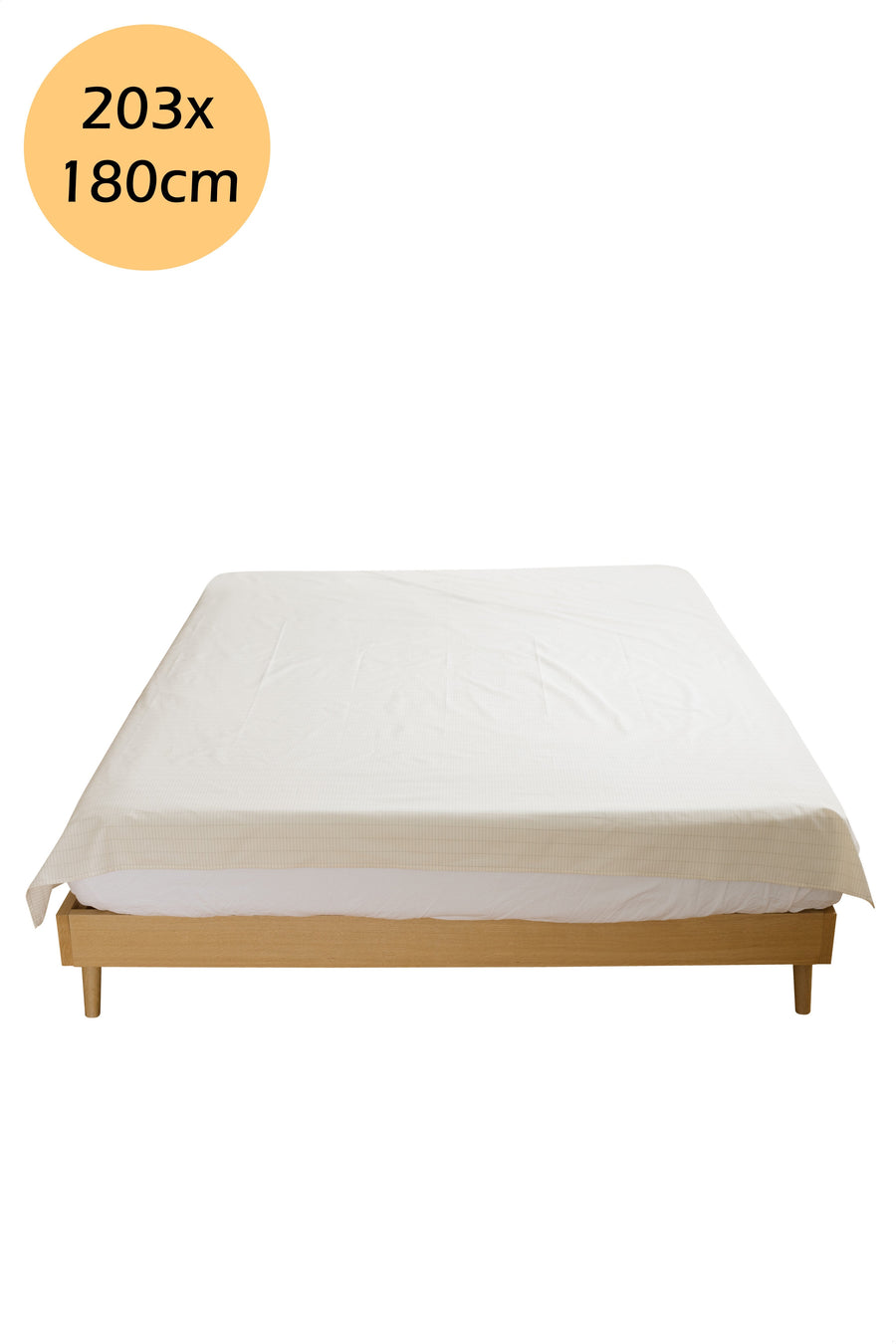
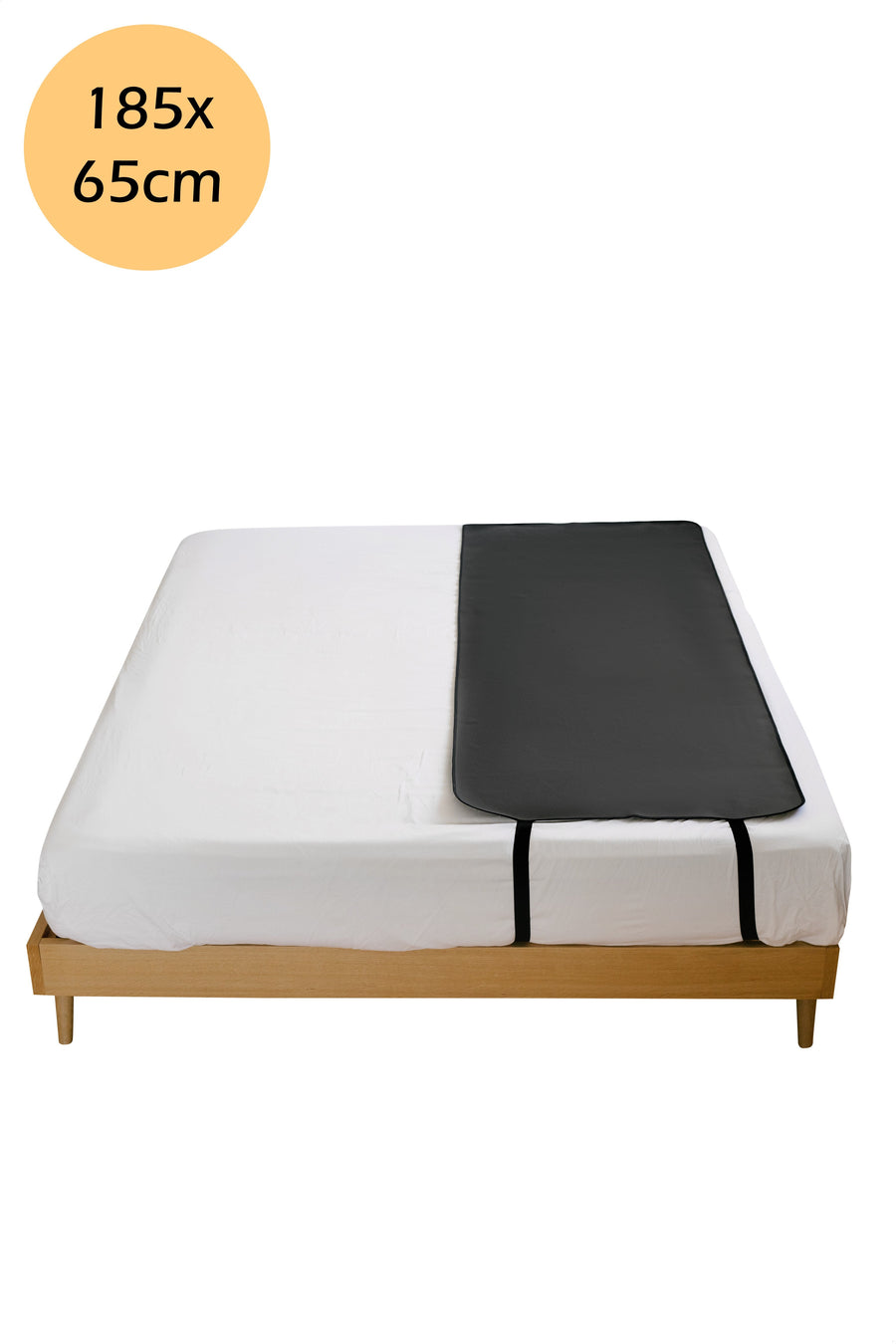
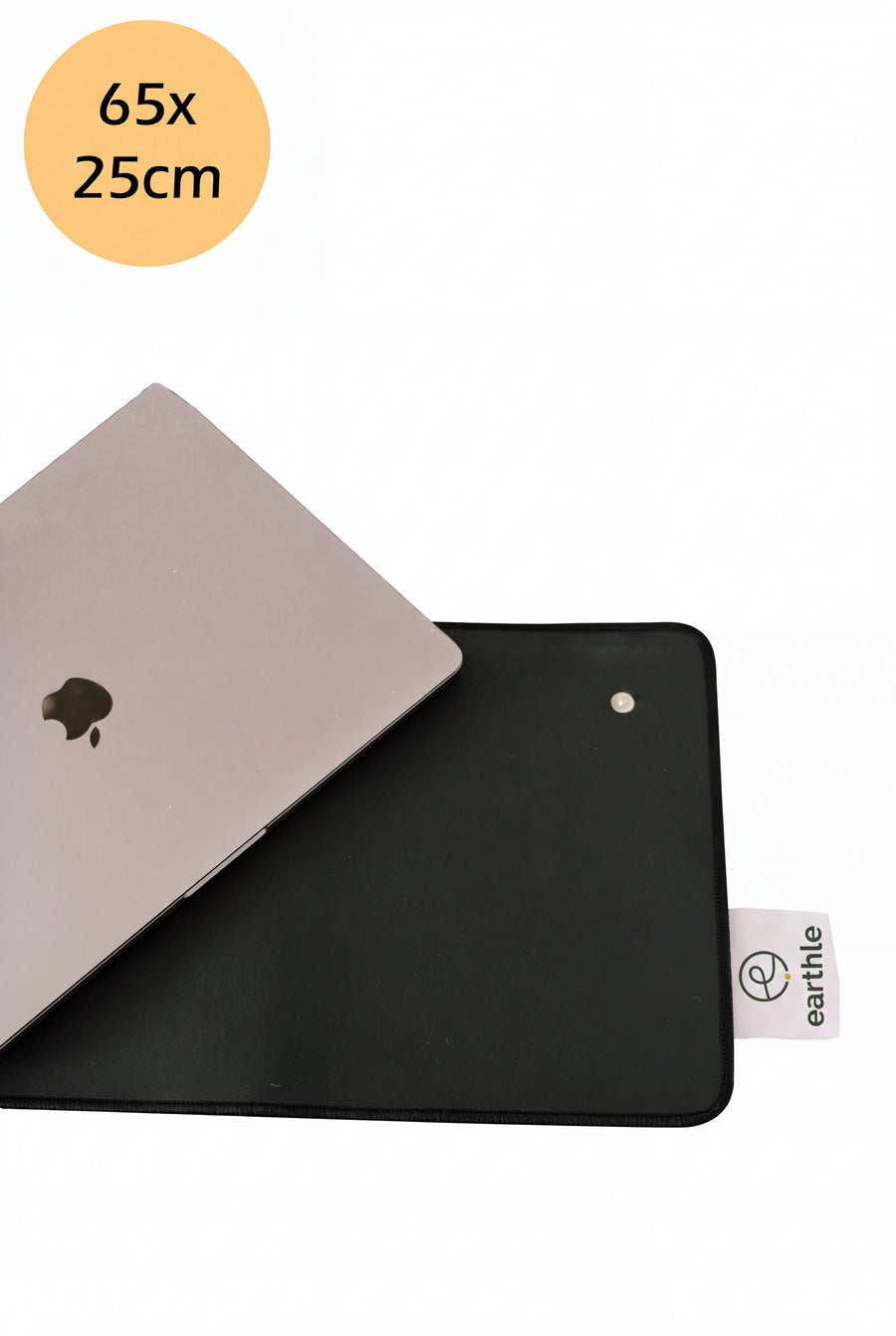
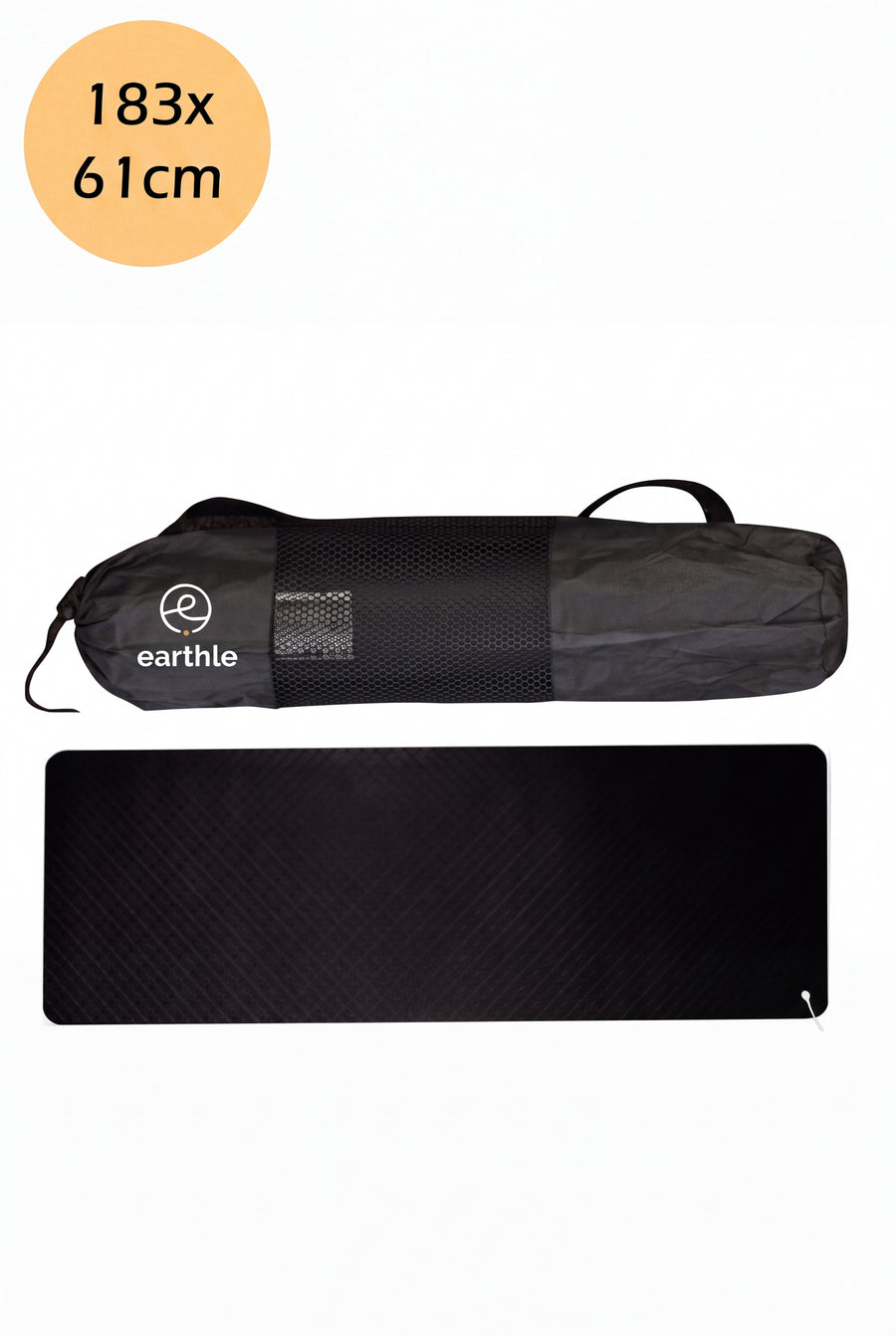
In practice: under your feet at the desk or during your exercises, the yoga mat does the job; under your forearms while you work, the desk mat. For the night, where you get eight hours of contact effortlessly, the sheet, the sleeping mat or the pillowcase are the usual choices.
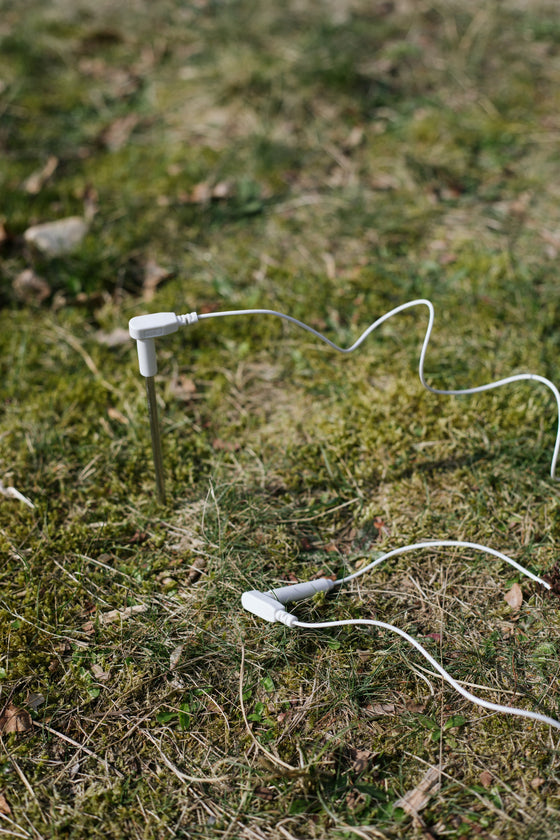
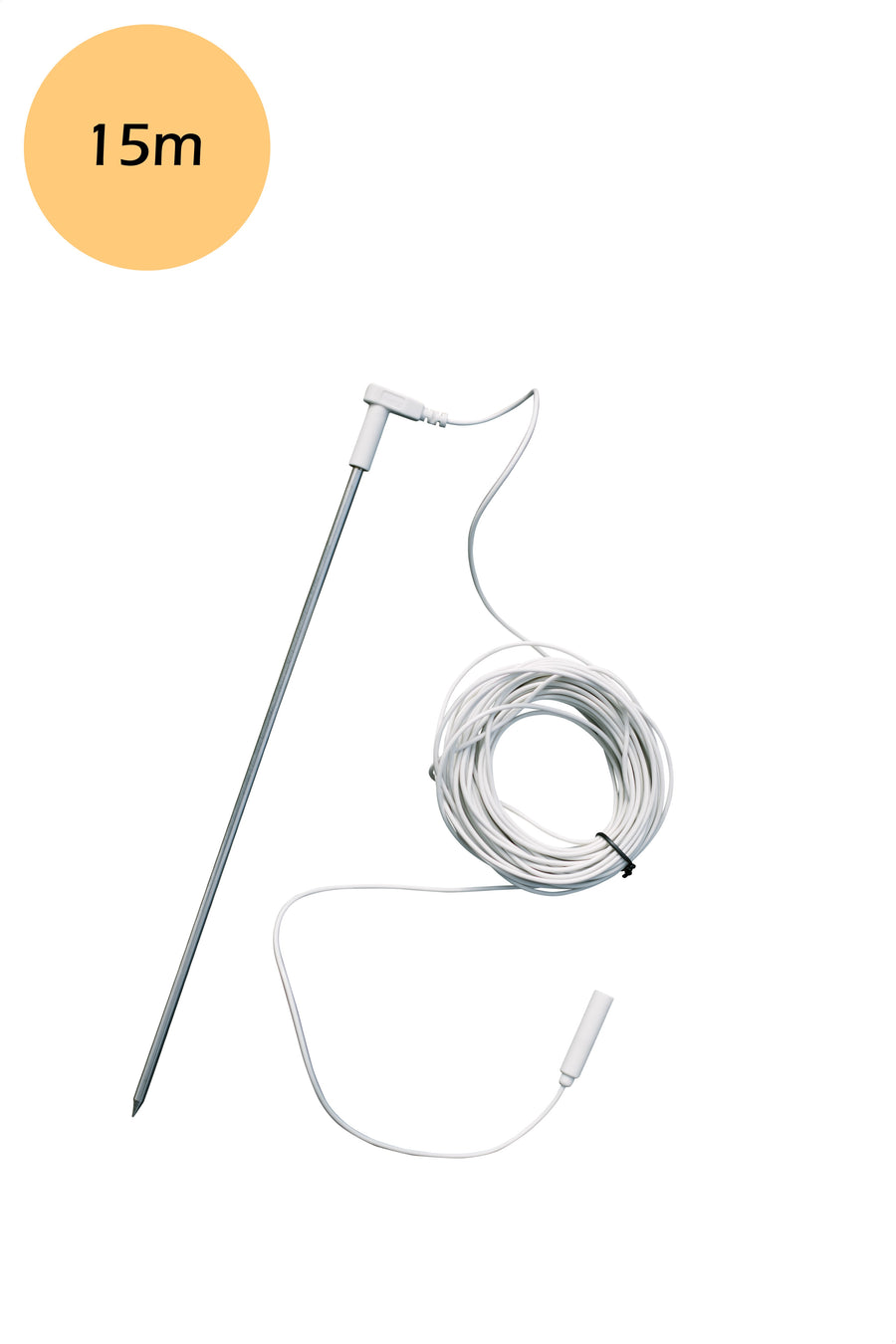
Which size and which product suit your situation is what the guide at the bottom of the shop page asks you in a few short steps. If you have no earthed socket, an earthing rod brings the garden literally indoors; that is covered in grounding without an earthed socket.
Read on
What you might notice in the first few weeks is in what you can feel and expect. And what has been measured in studies, with year and number of participants, is in scientific evidence for grounding.