Washing your earthing sheet: keeping it conductive
Which programme to wash an earthing sheet on, why fabric softener makes the silver thread useless, and how to check whether it still conducts afterwards.
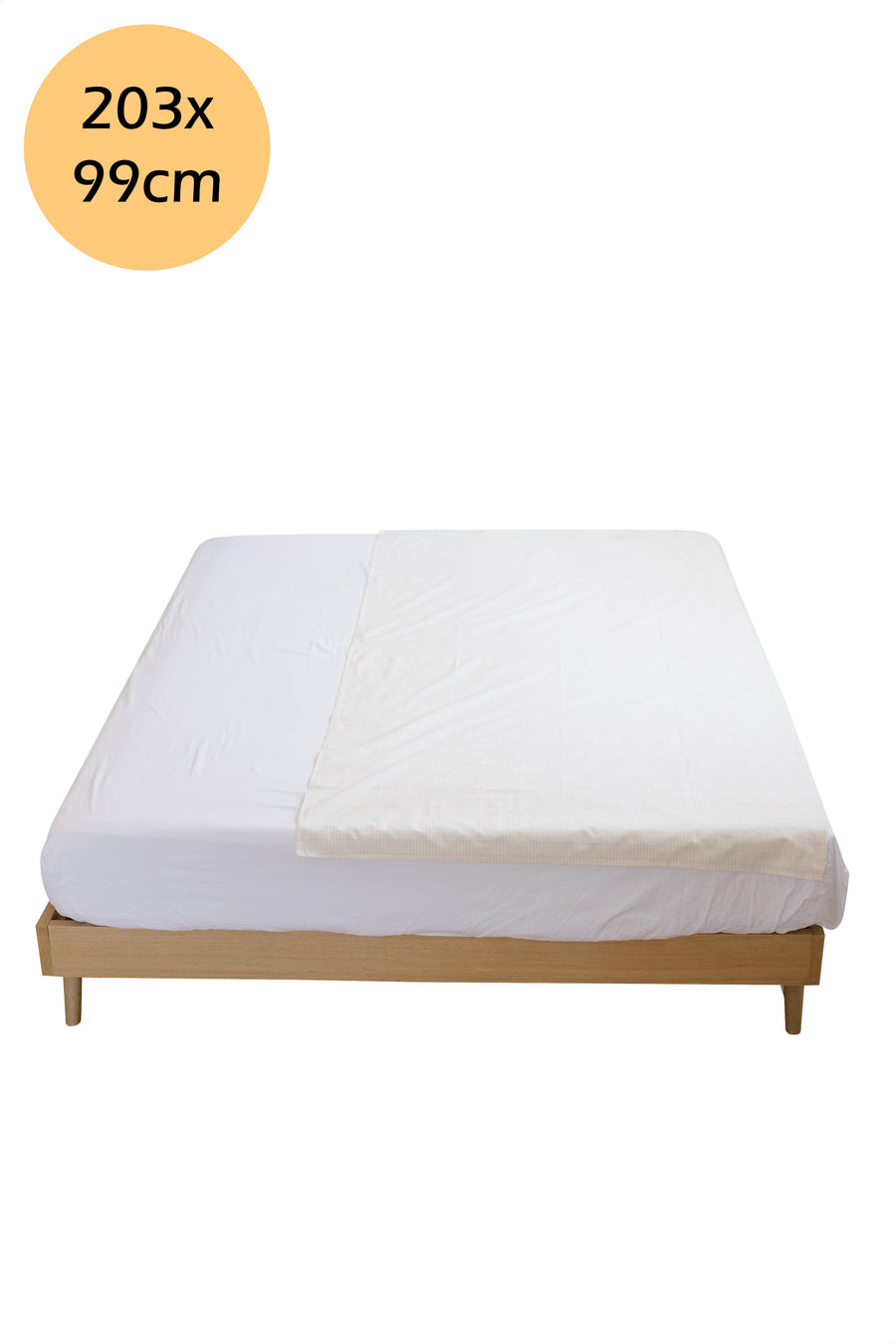
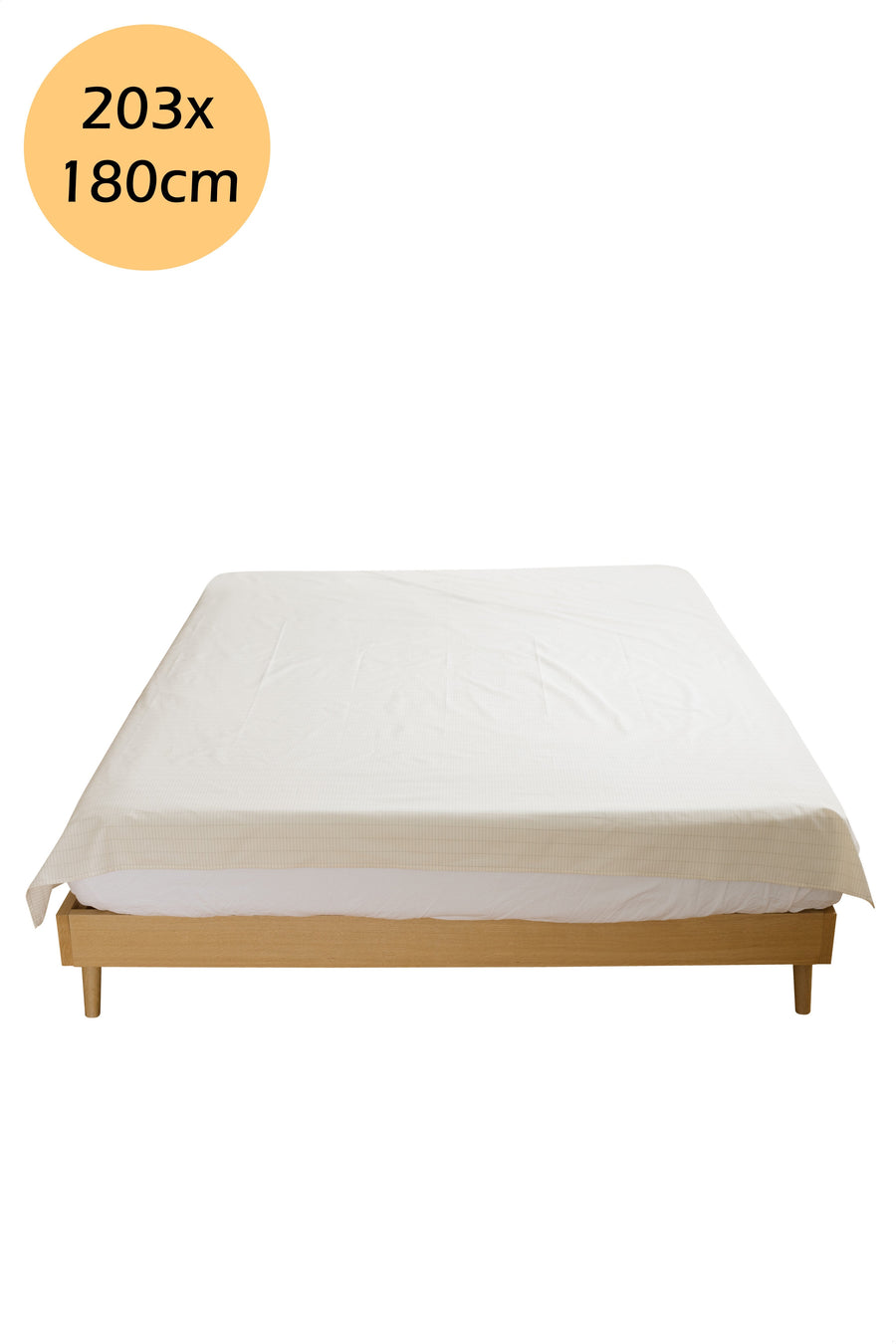
An earthing sheet is simply cotton with silver thread woven through it. So it can go in the washing machine. But that silver thread is also exactly the part that makes the sheet work, and it is more fragile than the cotton around it. Below is what it will and will not take, and how to check whether it still does what it should.
The short answer
- Machine wash at 40 degrees, delicates or a short programme
- No fabric softener
- No bleach and no stain remover with chlorine or oxygen bleach
- Line dry, or tumble on the lowest setting
- 60 degrees now and then for stains is fine, but not as standard
- The cable and plug come off and stay out of the wash
Why no fabric softener
This is the one thing people actually ruin their sheet with, and it is also the least obvious.
Fabric softener works by leaving a thin greasy film on the fibres. That feels soft, but it settles over the silver thread just as well. Silver conducts, that film does not. After a few washes with softener you measure a higher resistance, and at some point you measure nothing at all.
The same goes for detergents with built-in softener, for scent boosters and for dryer sheets. Check the packaging for anything about softening.
An ordinary liquid detergent for delicates is fine. Powder is also fine, as long as it contains no bleach, but powder sometimes dissolves poorly at 40 degrees and then leaves residue. Liquid is safer.
Why no bleach
Bleach attacks silver. That is not a film on top like with softener, that is the silver itself being eaten away. It does not come back.
Watch out for stain removers and for most whitening detergents too: they often contain oxygen bleach, even when the word bleach is not printed large on the front. For a stain, rinsing with cold water and then simply washing it in works better than a pre-treatment.
How often
As rarely as possible, because every wash costs you a little conductivity. At the same time you perspire at night and you want that out again.
The approach that lasts longest: put an ordinary fitted sheet or duvet cover over it. That catches the perspiration, you wash it as often as you like, and the earthing works straight through it. Your skin always gives off a little moisture, and that is enough to make contact. The earthing product itself then only needs a machine wash a few times a year.
If you want maximum contact and sleep directly on it, count on every two to three weeks, the same as other bedding.
What the other products need
- Fitted sheet, duvet cover, pillowcase and blanket: same story, 40 degrees without softener.
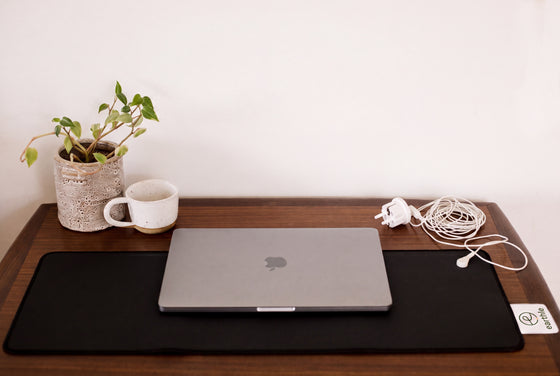
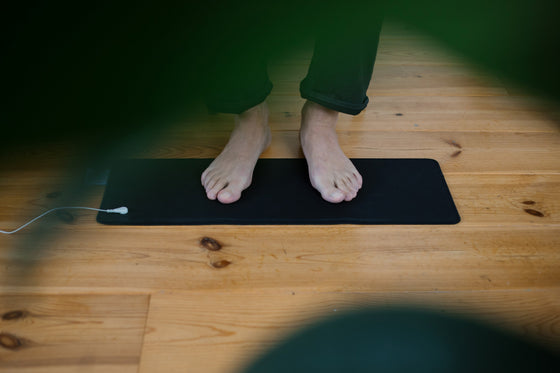
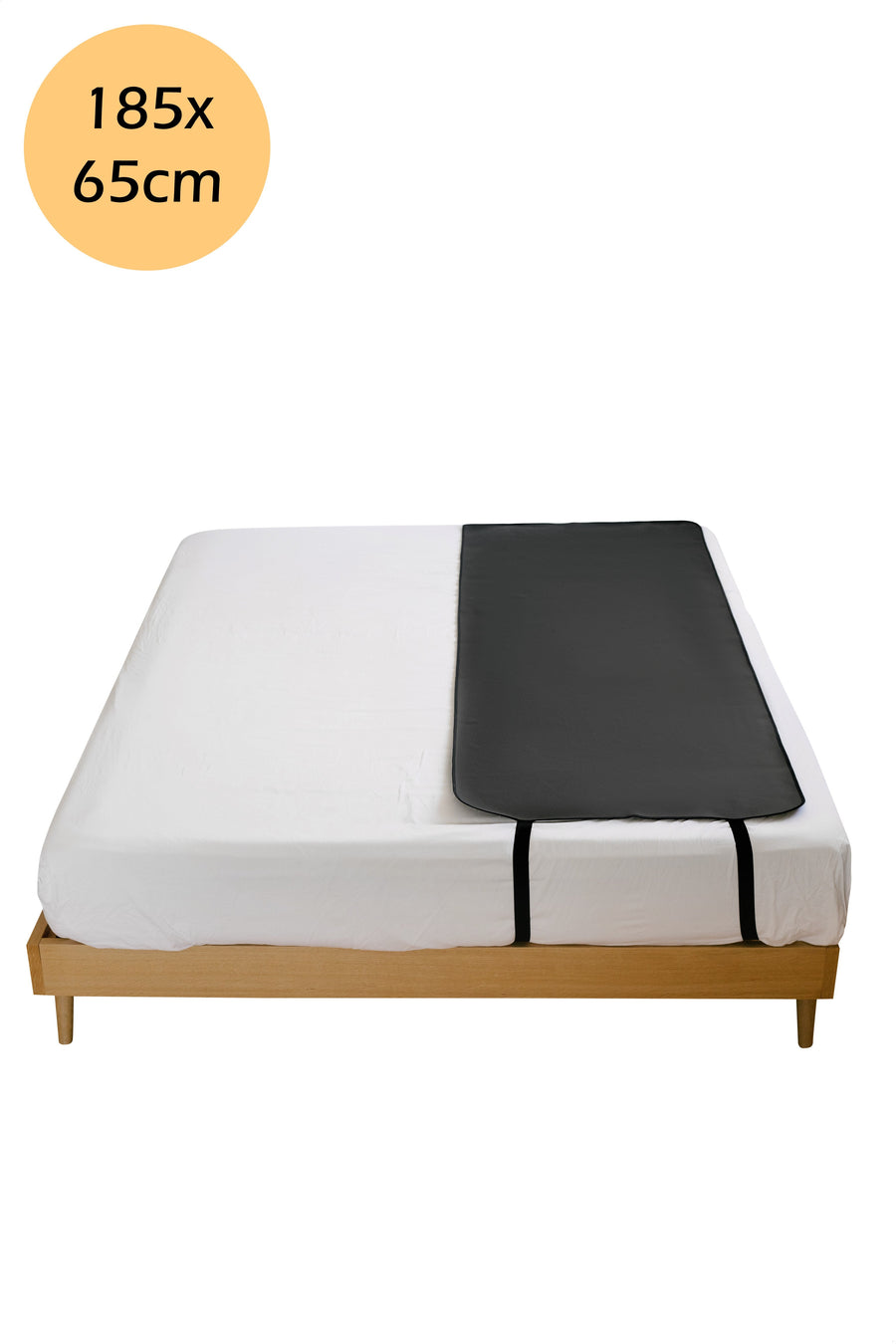
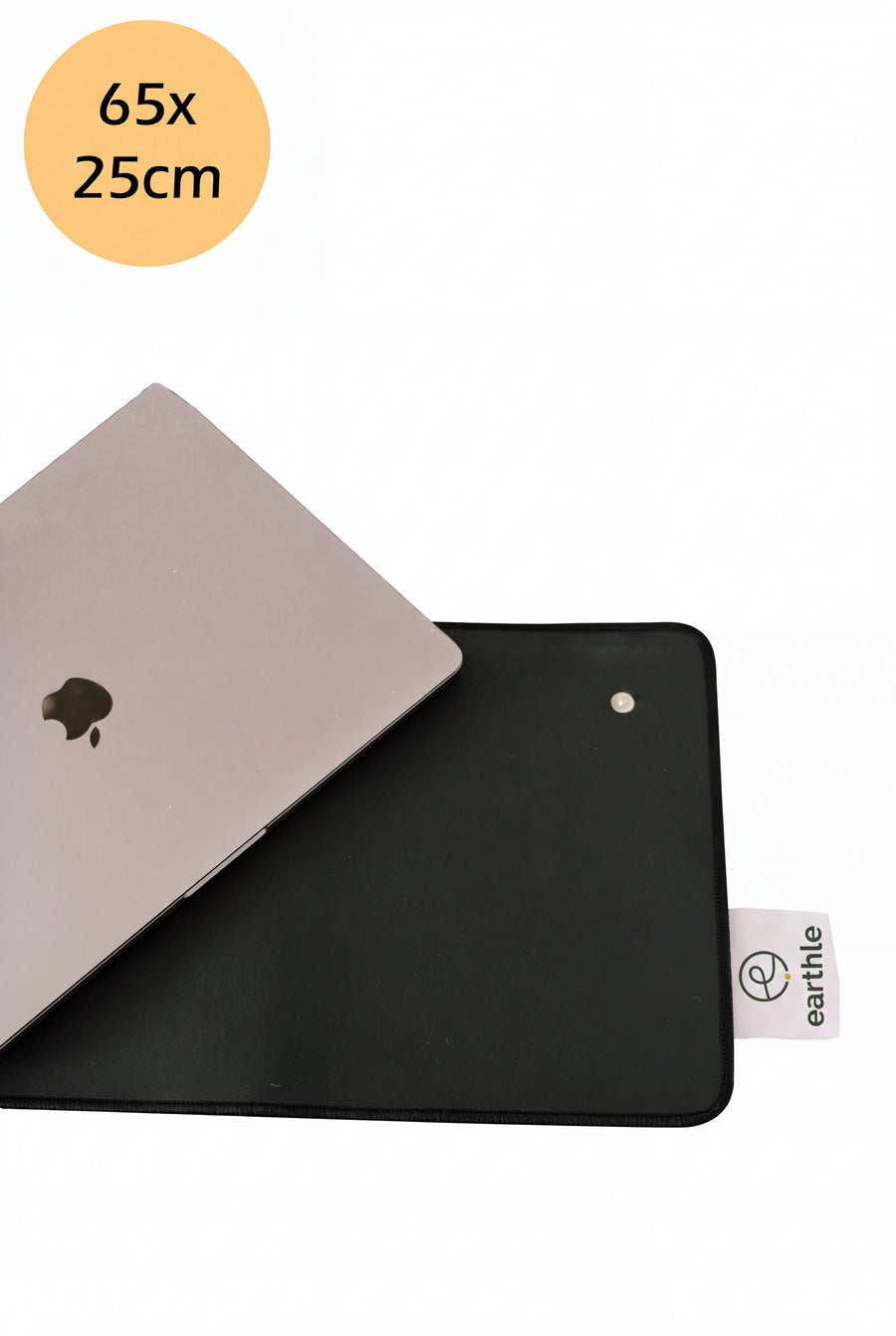
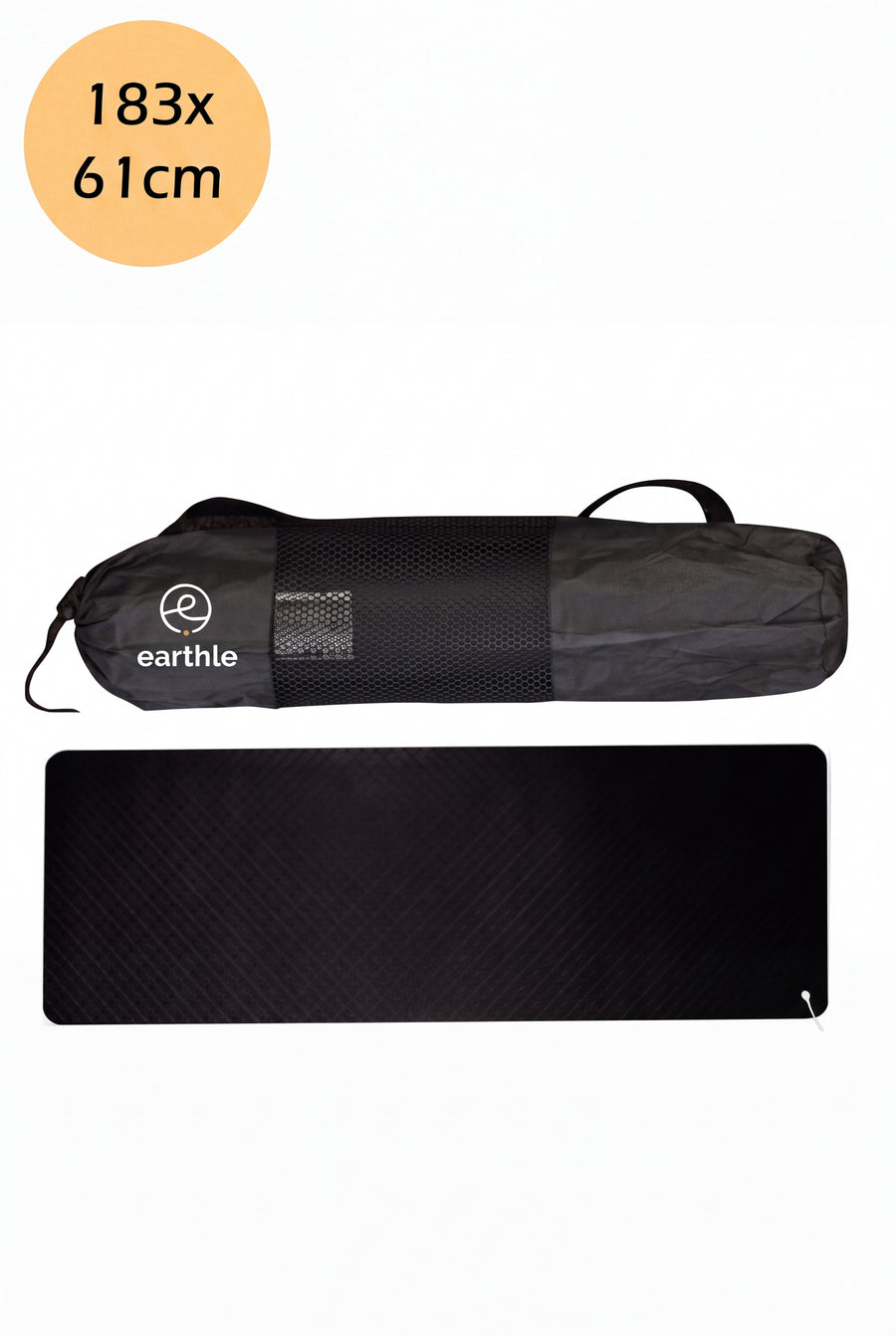
- The sleeping mat, desk mat and yoga mat: these are vegan leather or TPE and never go in the wash. Wipe with a damp cloth, with a little diluted mild soap if needed. Do not submerge.
- The sheet fasteners: they can simply go in with your bedding.
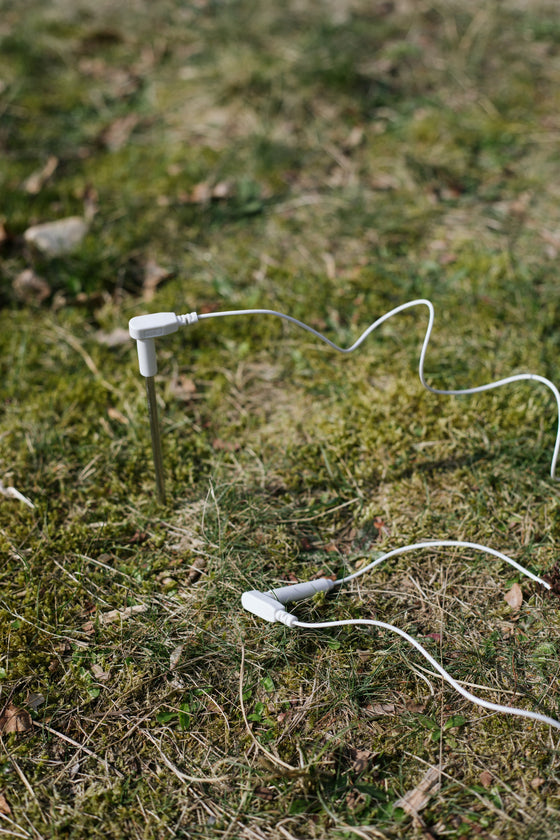
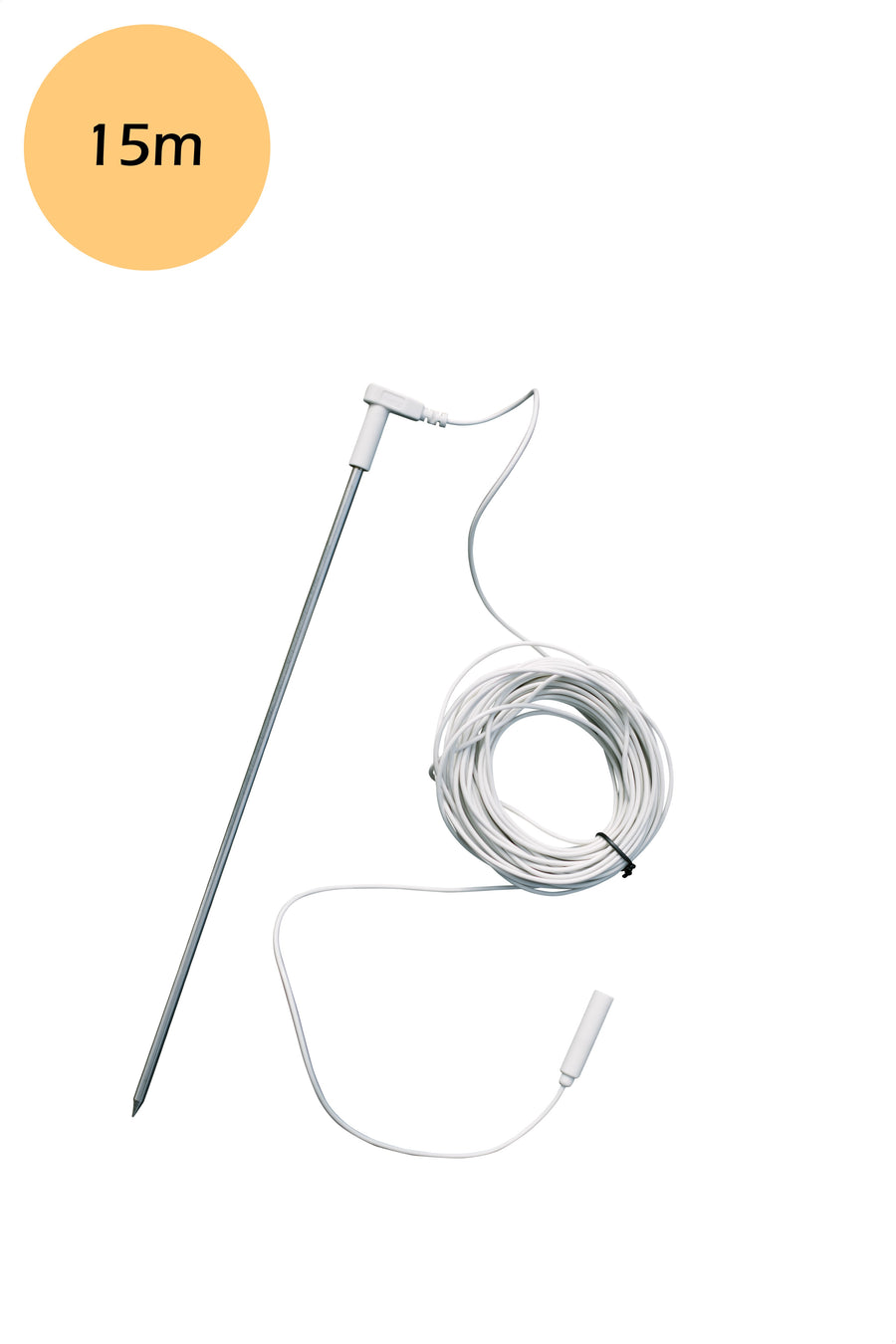
- Cable, plug, splitter, clip and rod: dry or slightly damp cloth, unplug first. The rod is allowed to get dirty, it belongs in the ground.
Checking whether it still conducts
This is the part almost nobody does, and it is the only way to know where you stand.
You need a multimeter, and a cheap one will do. Set it to resistance on a 200 kilo-ohm range. Take the plug out of the socket. Hold one probe on the conductive surface of your sheet or on the press stud, and the other on the round earth pin of the plug.
You should read around 100 kilo-ohm. That is the resistor built into the plug, and it is supposed to be there.
- Around 100 kΩ: good, your product conducts.
- Much higher, or OL or infinite: there is no path. First check that the cable is properly attached to the press stud; that is the most common cause.
- Cable is on properly and you still read nothing: then the silver thread is finished. That happens with normal use after about two to three years, and sooner if softener has been over it.
Measure at different points on the sheet as well. If one corner conducts and another does not, the weave is damaged locally.
How long it lasts
The cotton itself lasts for years. What wears out is the silver thread. With normal use and washing as described above, you get about two to three years before conductivity noticeably drops.
The two things that make the most difference are no fabric softener and an ordinary sheet over the top. Do that and you get considerably longer out of it.
The full manual for your size is on the product page of your sheet, fitted sheet or duvet cover, under the four steps. If your cable is due for replacement, you can order a cable with plug separately.