Can you use a grounding mat with socks?
Thin socks can be sufficiently conductive, especially when skin heat and a little moisture reduce resistance. Bare skin remains the safest choice.
 Grounding mats
View the collection
Grounding mats
View the collection

You don't always have to sit on an earthing mat with bare feet. Thin socks can allow electrical connection to pass through, but the outcome depends on fibre, thickness, moisture and pressure. So the practical question is not just what you wear, but whether your complete setup makes measurable contact.
When socks work best
- Choose thin cotton or bamboo instead of thick wool or synthetic sports socks.
- Place both feet firmly on the mat so that there is sufficient pressure.
- Avoid slippers and rubber soles; they actually insulate.
- If in doubt, measure body tension with and without contact.
Bare skin provides the shortest route
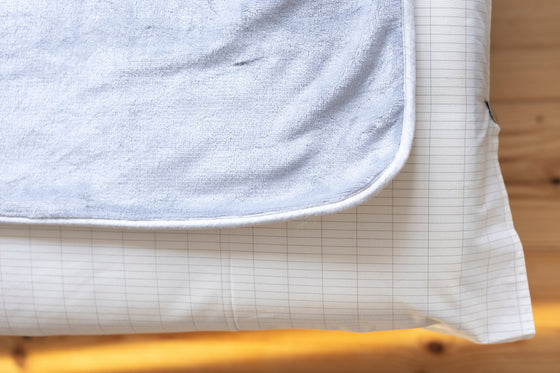
Earthle mats contain conductive carbon material; the bedding uses a grid of silver threads. A bare foot or forearm touches that conductor directly. With socks there is one extra layer. That can be comfortable in winter, as long as you check that the value drops.
Choose the product at your contact moment
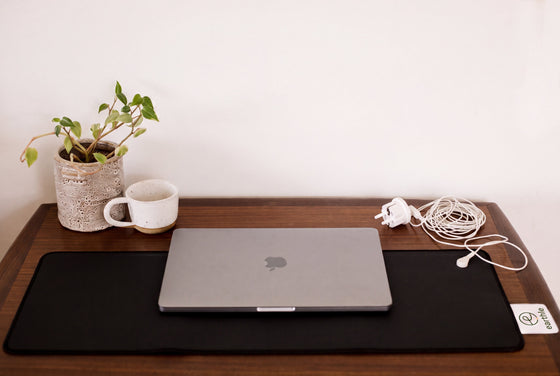
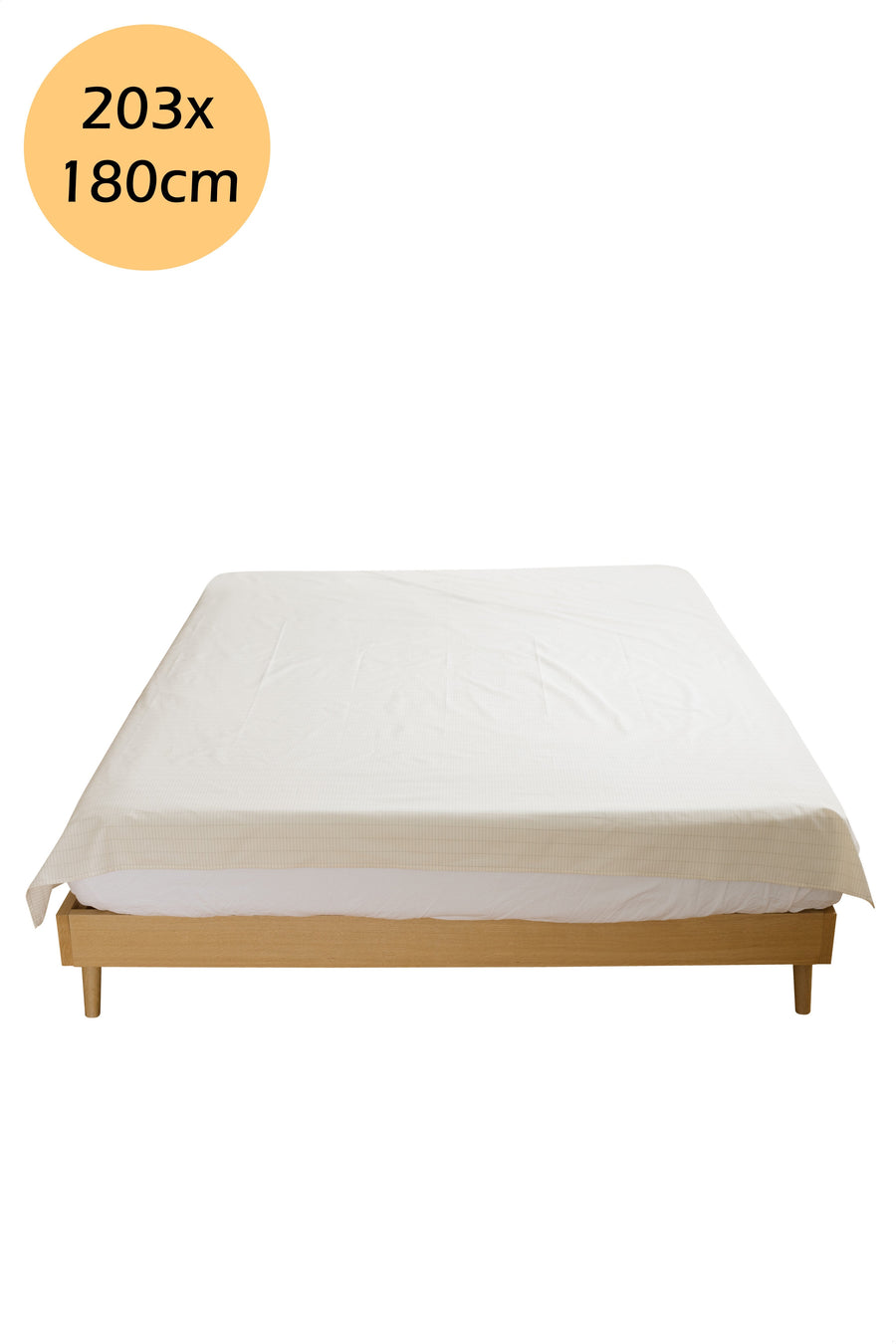
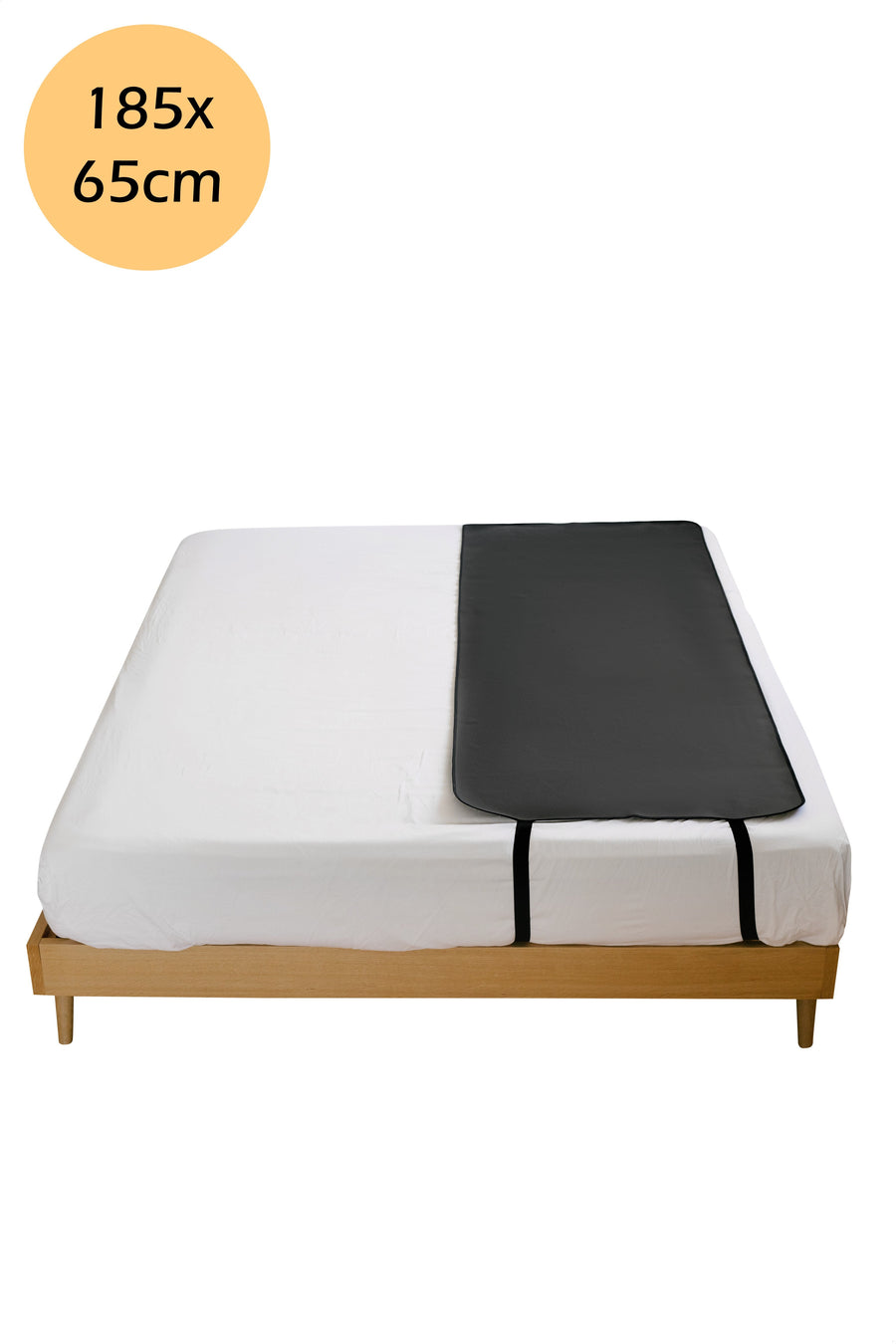
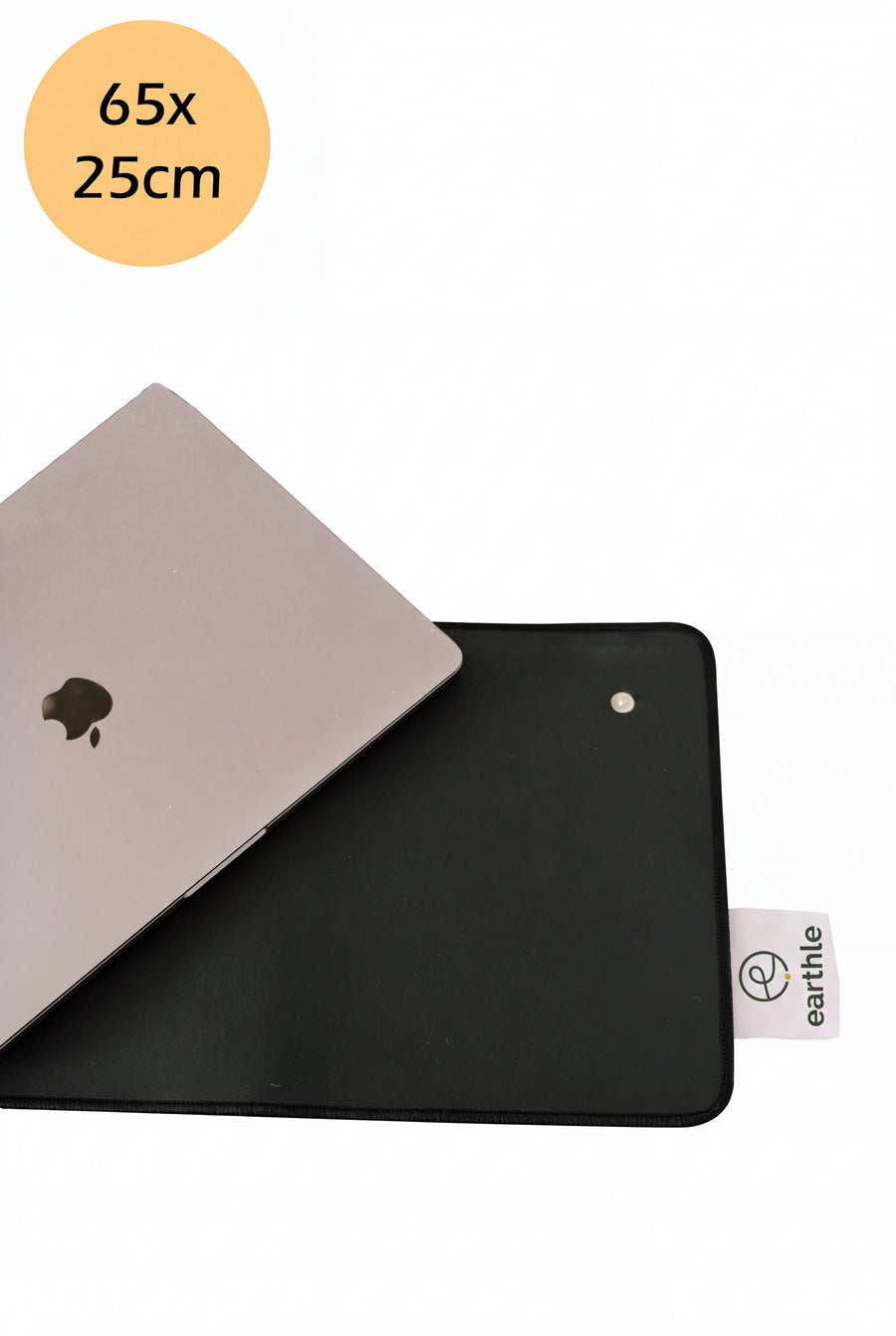
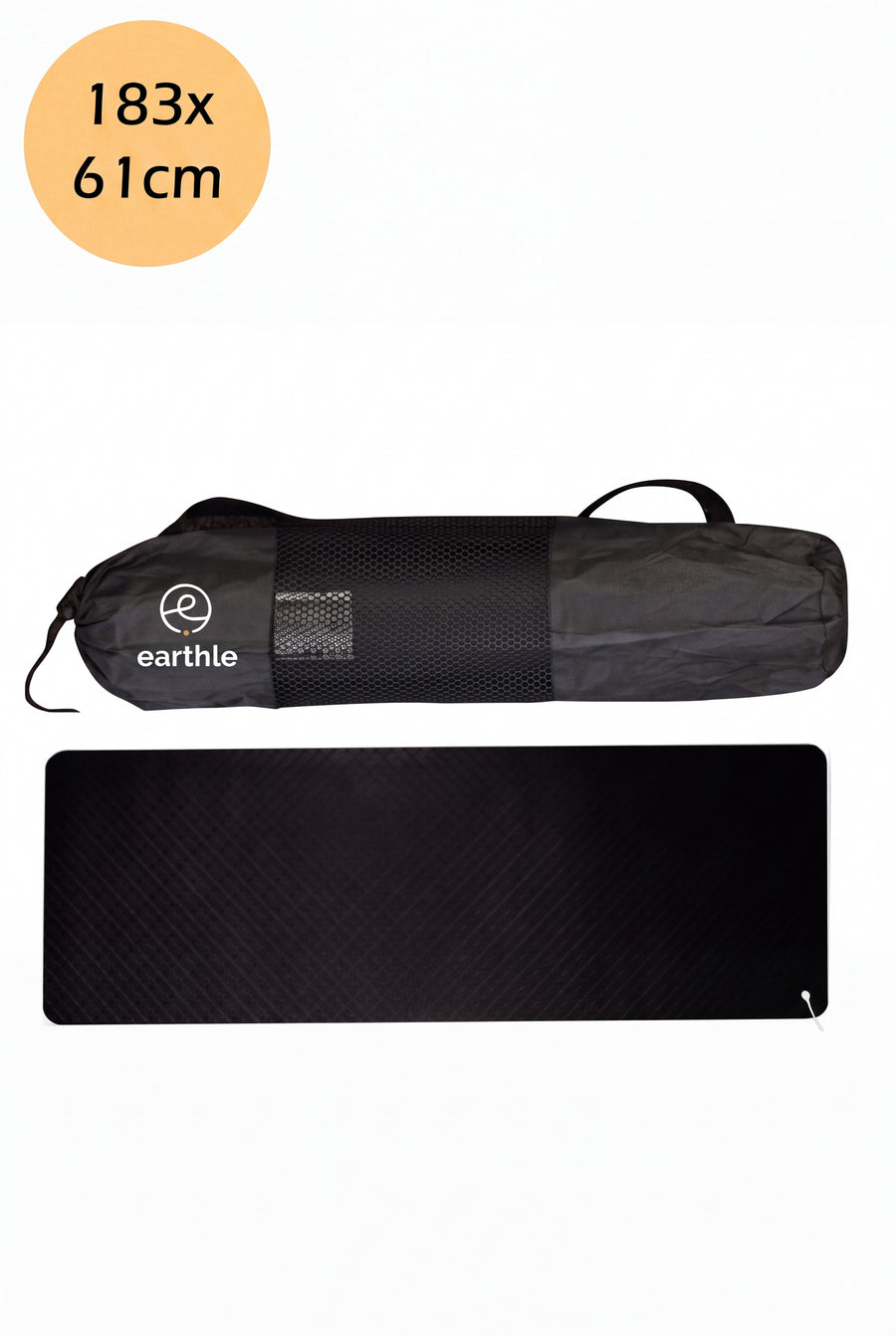
At the desk, a desk mat under the forearms is often easier than taking off socks. During yoga, the Yoga Mat automatically provides more skin contact. In bed, a sleeping mat or sheet provides contact with the torso, legs or arms for hours.
Yes, thin socks can work. For the strongest and most predictable connection, allow at least one bare foot, hand or forearm to touch the mat.
Which Earthle product fits this use
The Earthle Desk Mat and Yoga Mat provide multiple ways to make skin contact. This means you can easily choose between bare feet, hands or forearms per season.
Compare Earthle grounding mats
Sources
- Earthle, what our grounding products are made of
- Earthle, Earthing Sheet product information
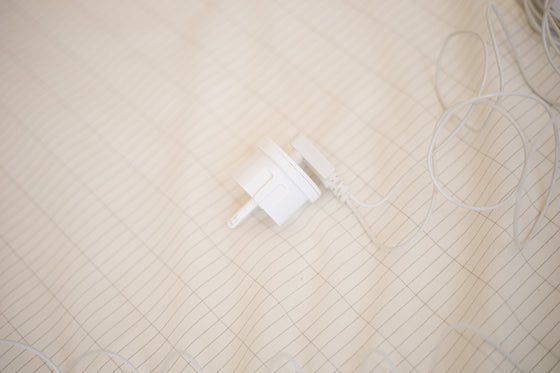
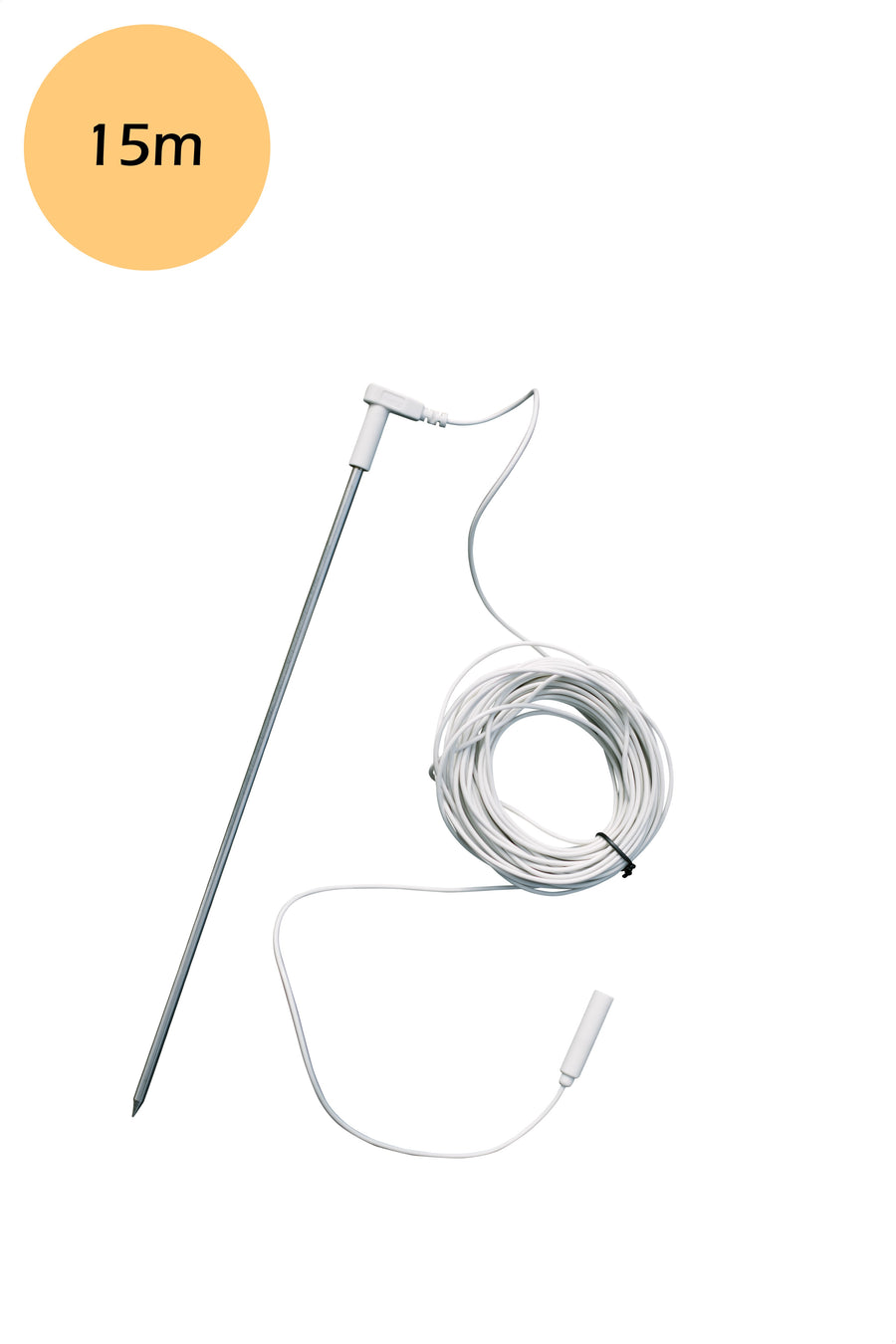
- Earthle, Plug and Cable product information
Further reading: Scientific evidence for grounding · What you may feel and expect