Making your own grounding sheet: what to consider
Thinking of making a grounding sheet? Learn what conductive fabric, connections and testing involve before comparing a homemade sheet with a finished product.

What does a grounding sheet need?
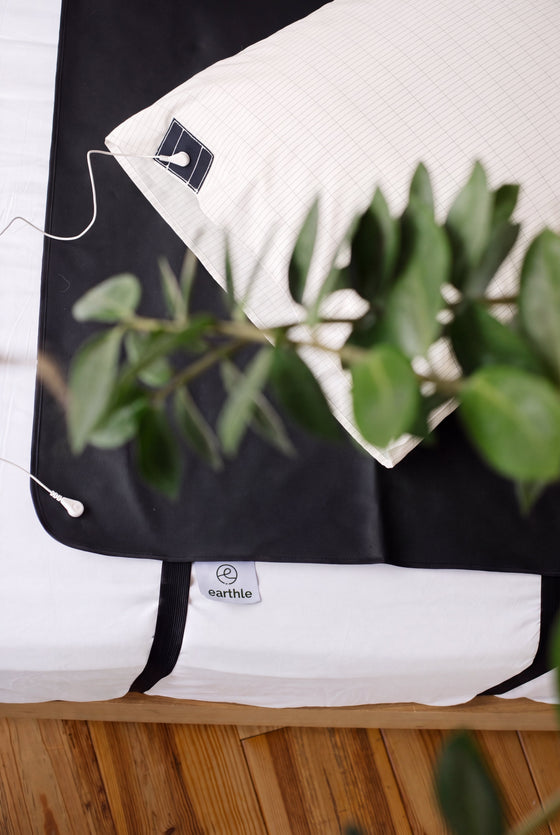
A grounding sheet is more than fabric with a cable attached. Its surface needs to conduct, the connector needs to remain intact and the connection to earth must be suitable for this use. Ordinary cotton alone is not a substitute for conductive fabric. Earthing sheet is another name for the same type of product.
Check the fabric and connector
Ask the fabric supplier about composition, care instructions and how to check conductivity. Silver-coloured fabric is not necessarily conductive. The press stud must contact the conductive material and withstand movement and washing. See which materials Earthle uses.
Do not make your own socket connection
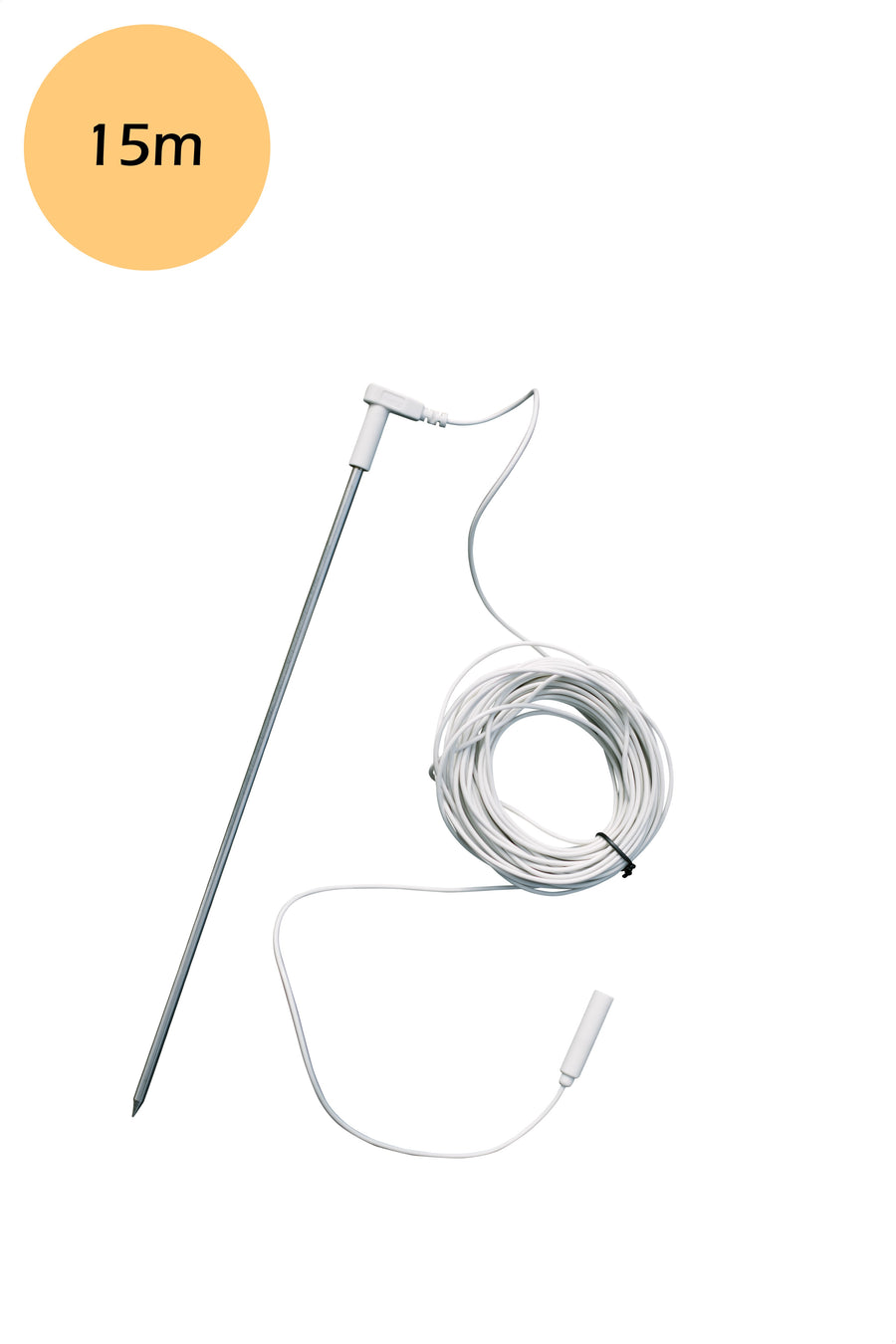
Never insert wires, probes or a homemade plug into a wall socket. Use only a suitable, undamaged grounding cable with a safety resistor, following its instructions. The Earthle plug and cable has a specified resistance of 100 kΩ. That does not make a faulty electrical installation safe; ask an electrician to resolve doubts.
Check more than one corner
Attaching a cable does not prove that the entire sheet conducts. Check different areas of the fabric and test the cable separately, with the plug disconnected from the socket. Our testing guide explains what the result can and cannot show.
Homemade or ready to use?
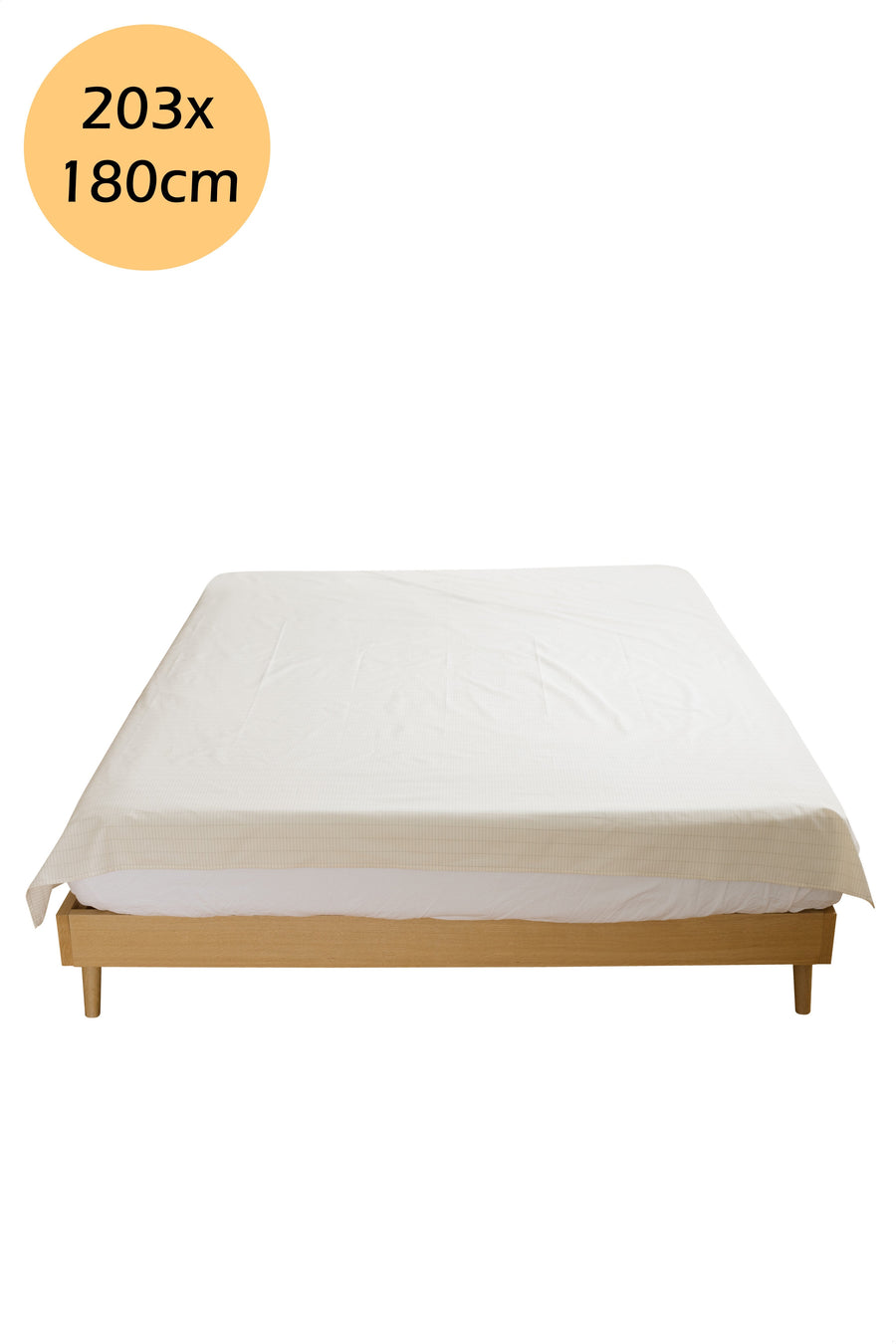
Compare the fabric, connectors, size and maintenance. A finished sheet comes with a stated composition and instructions; you need to assess those aspects yourself for a homemade version. Compare grounding sheets and fitted sheets. A measurable connection does not prove a health benefit.