Grounding and relaxation: what mood research shows
In a double-blind study, pleasant and positive mood improved more after one hour of real grounding than after an identical sham session.

Many people use grounding especially during quiet moments. This fits with the best-known research into mood: not during an intensive treatment, but during one relaxing hour in a comfortable chair.
Forty participants and a clear comparison
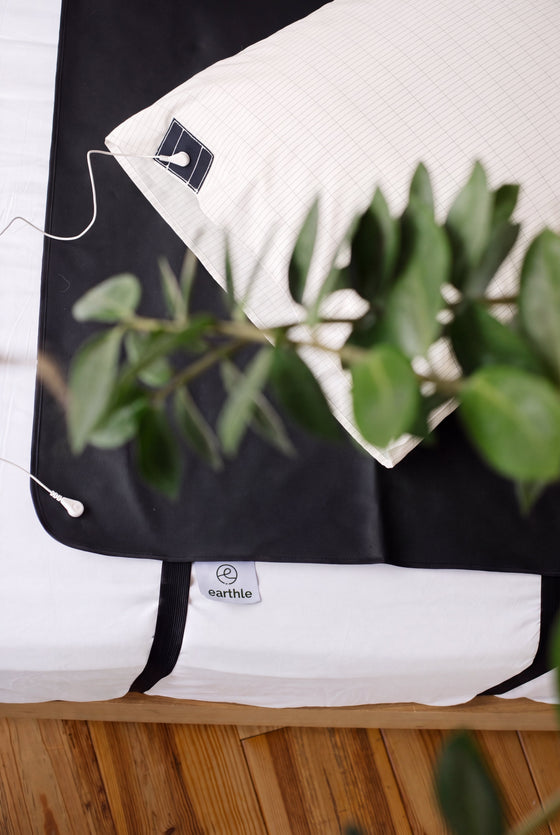
The 2015 study divided forty adults double-blind between true grounding and sham grounding. Everyone rested for an hour in the same chair with a conductive mat, pillow and patches. Pleasant and positive mood improved statistically significantly in the grounded group and more strongly than expected based on relaxation alone.
The body also reacts measurably
An earlier double-blind experiment with 28 adults used periods before, during and after forty minutes of grounding. Researchers observed immediate changes in skin conductance and variation in breathing, pulse, oxygen saturation and perfusion. These measurements show that contact is not just an idea, but a physiologically measurable stimulus.
Make relaxation a simple ritual
- Choose a fixed quiet moment of thirty to sixty minutes.
- Place bare feet, hands or forearms on the product.
- Combine it with reading, breathing, meditation or calm music.
- Give the routine two weeks and briefly write down how you feel afterward.
A double-blind comparison found a positive mood change over and above the effect of resting alone. This makes grounding an attractive addition to a daily moment of relaxation.
Which Earthle product fits this use
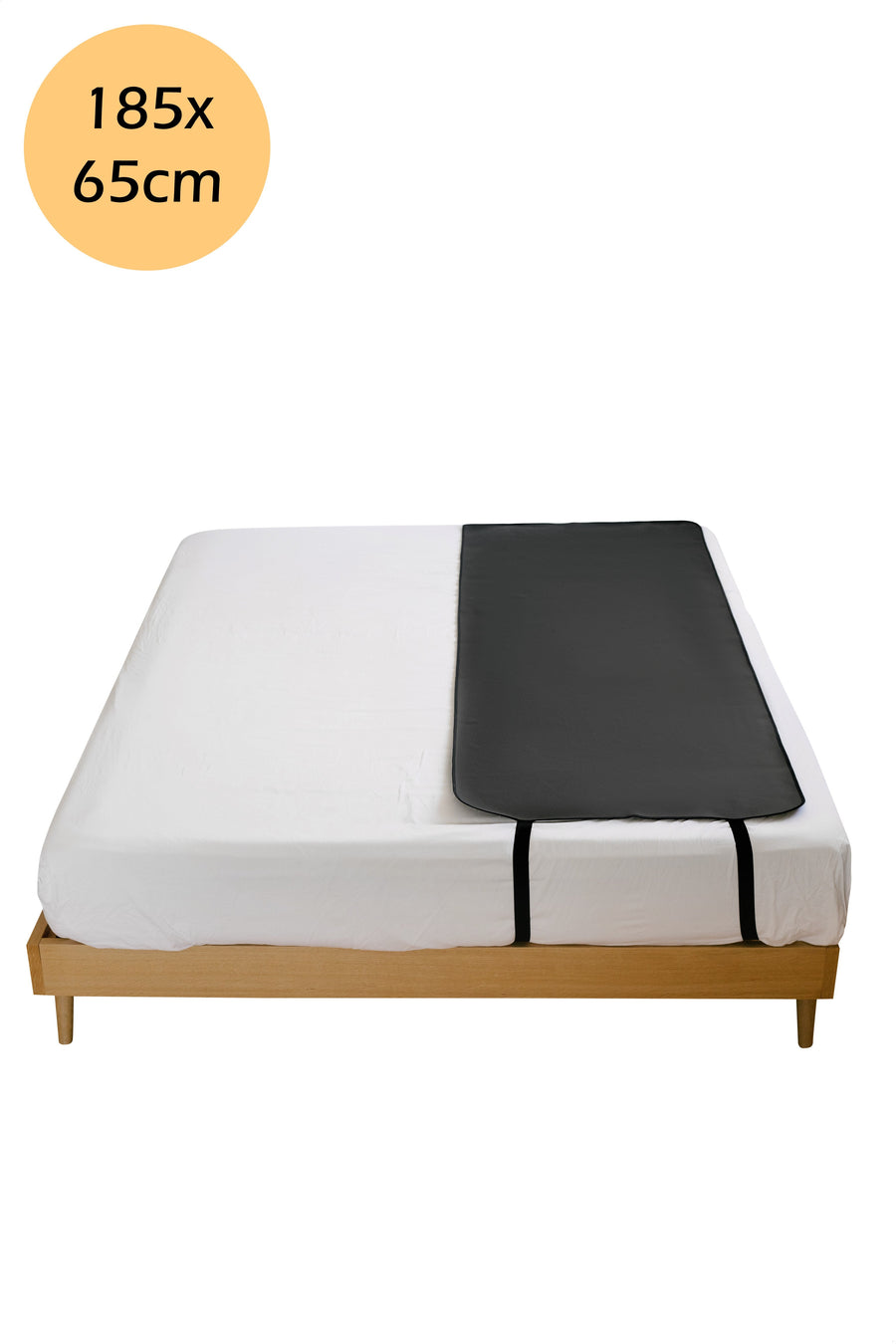
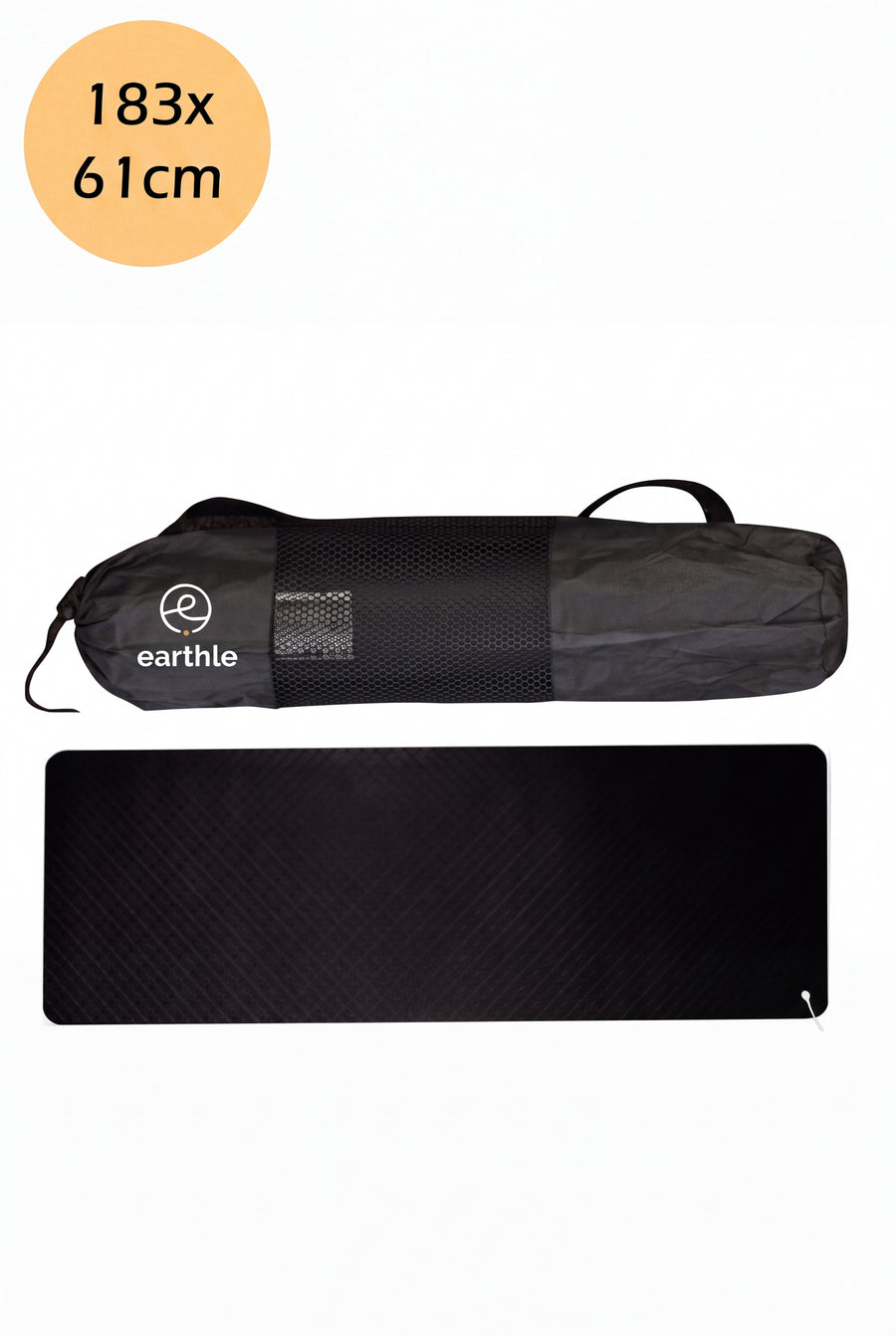
The Earthle Desk Mat fits under your arms during a quiet work break. The Yoga Mat provides more space for meditation and the Blanket makes grounding on the couch comfortable.
Choose an Earthle product for relaxation
Sources
- Chevalier, Psychological Reports, 2015
- Chevalier, Journal of Alternative and Complementary Medicine, 2010
- Chevalier et al., Explore, 2019
Further reading: Scientific evidence for grounding · What you may feel and expect
Sources
- Chevalier, Psychological Reports, 2015 In deze dubbelblinde proef met veertig deelnemers verbeterde de stemming alleen in de echt geaarde groep, wat het onderscheidt van een placebo-effect, al blijft de meting beperkt tot één sessie van een uur.
- Chevalier, Journal of Alternative and Complementary Medicine, 2010 In dit dubbelblinde experiment met 28 volwassenen veranderden huidgeleiding, ademhaling, pols en zuurstofsaturatie meetbaar tijdens veertig minuten grounding; de meting toont een fysiologisch effect op korte termijn, geen bewijs voor een gezondheidsuitkomst op lange termijn.
All links checked on September 10, 2026.